Description
What a Patchwork Quilt Is
A patchwork quilt has three layers:
- a pieced patchwork top,
- an insulating batting/wadding layer,
- and a backing fabric, all held together by quilting stitches or ties.
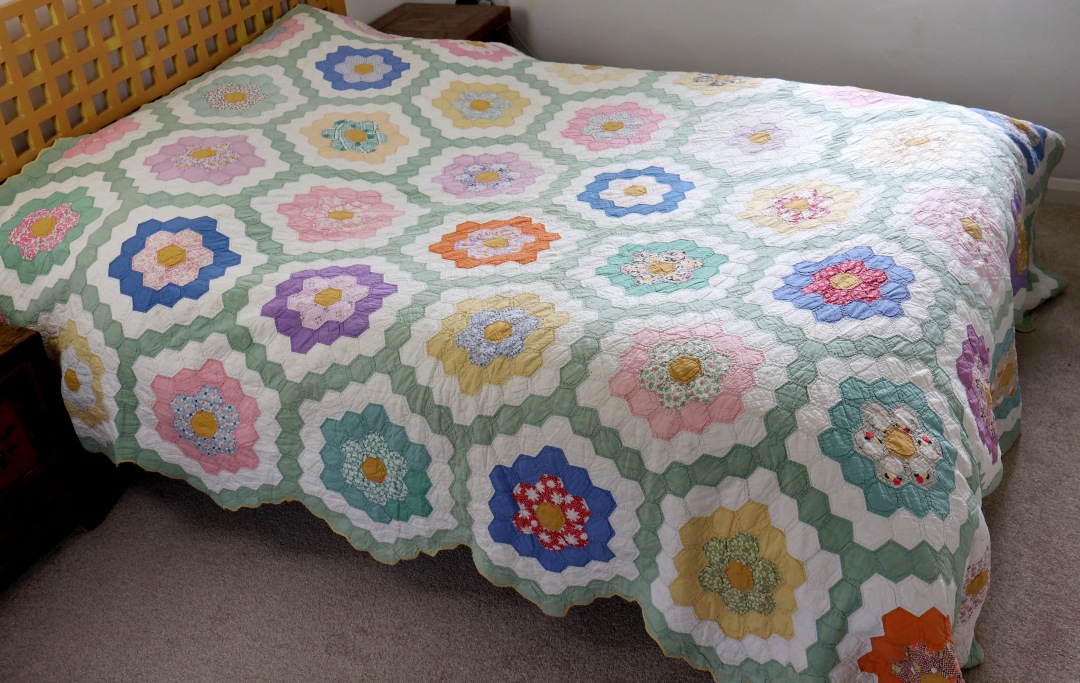
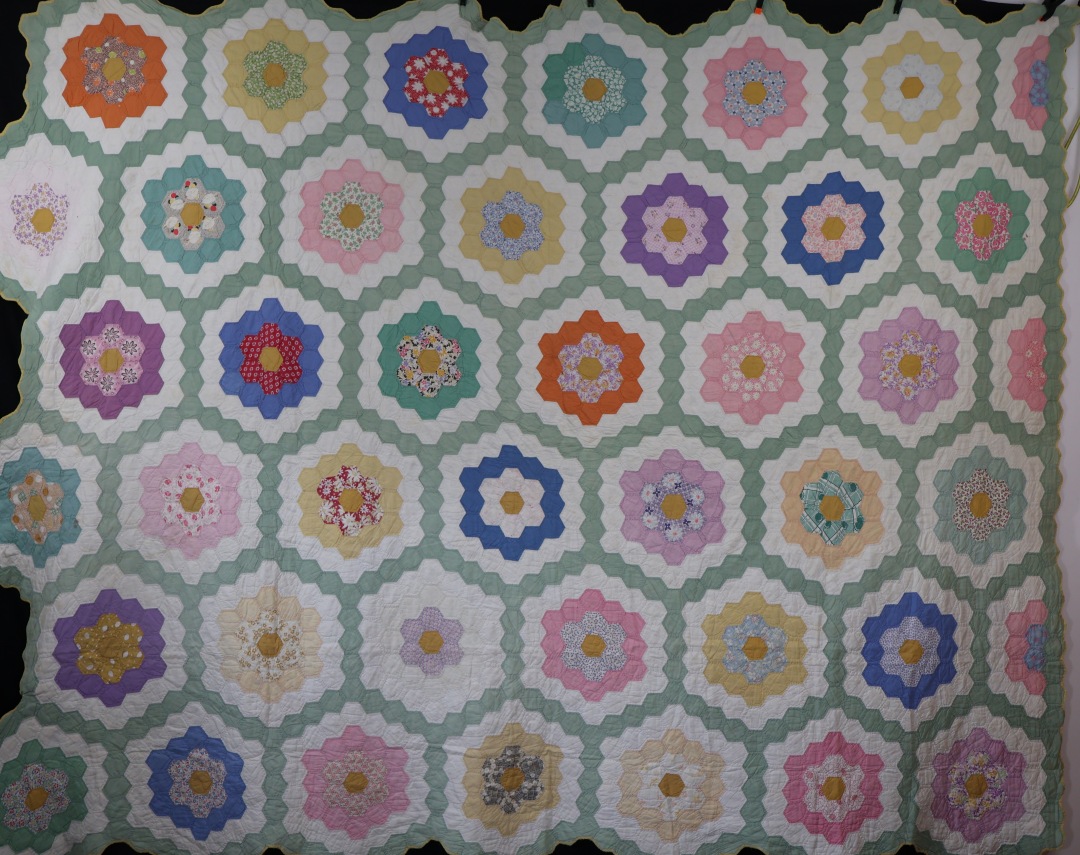
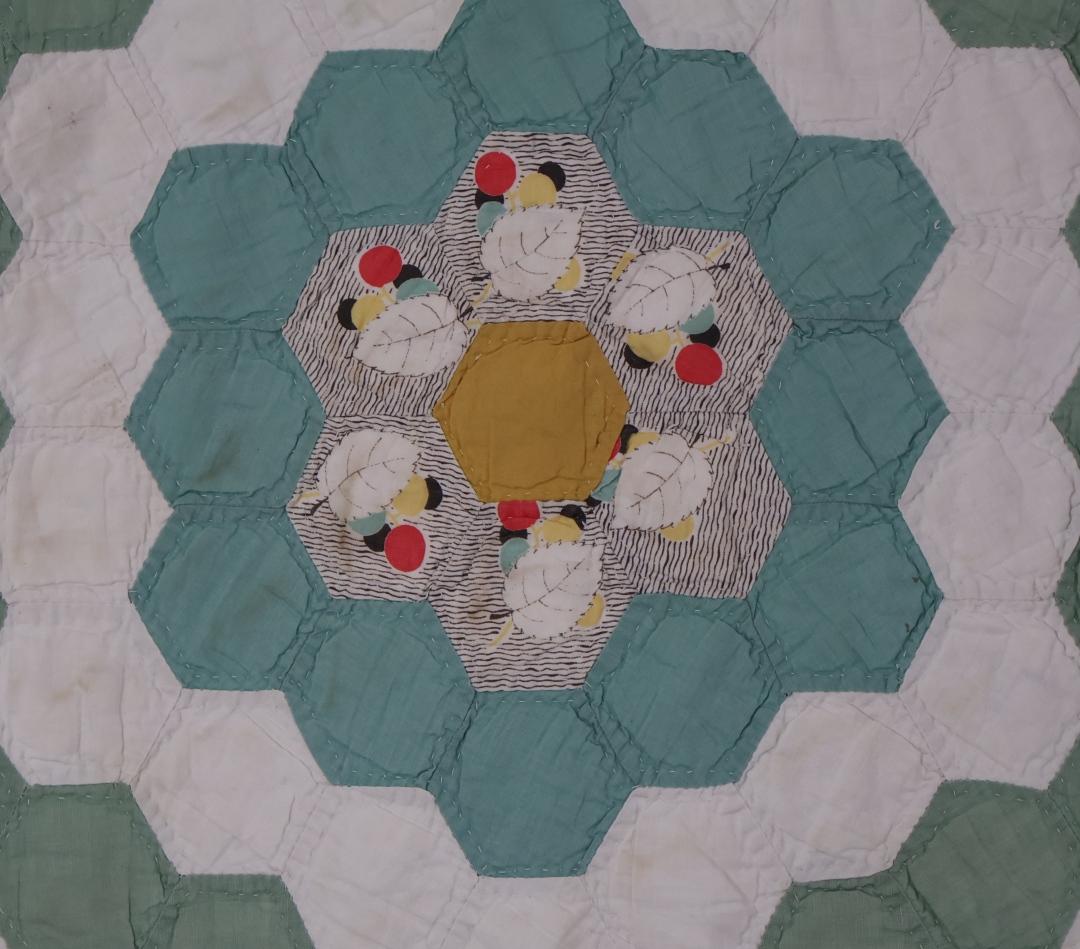
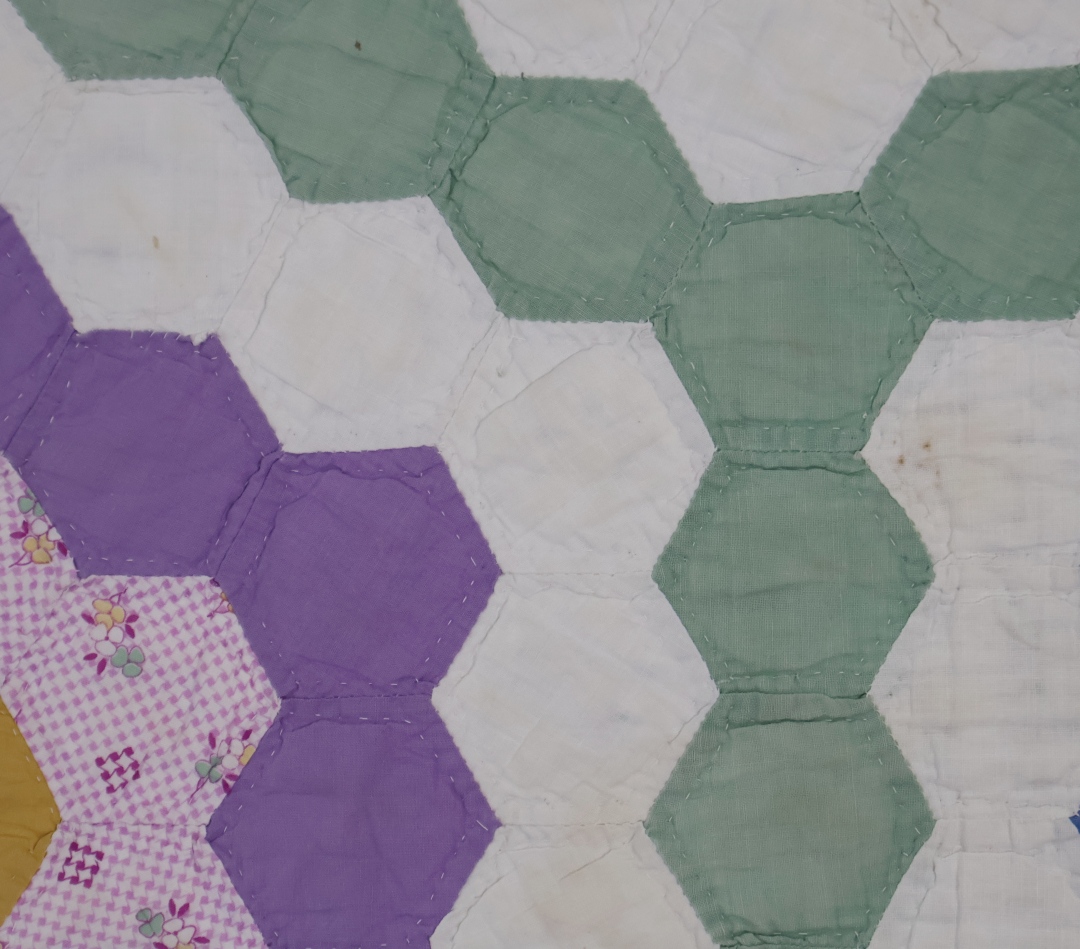
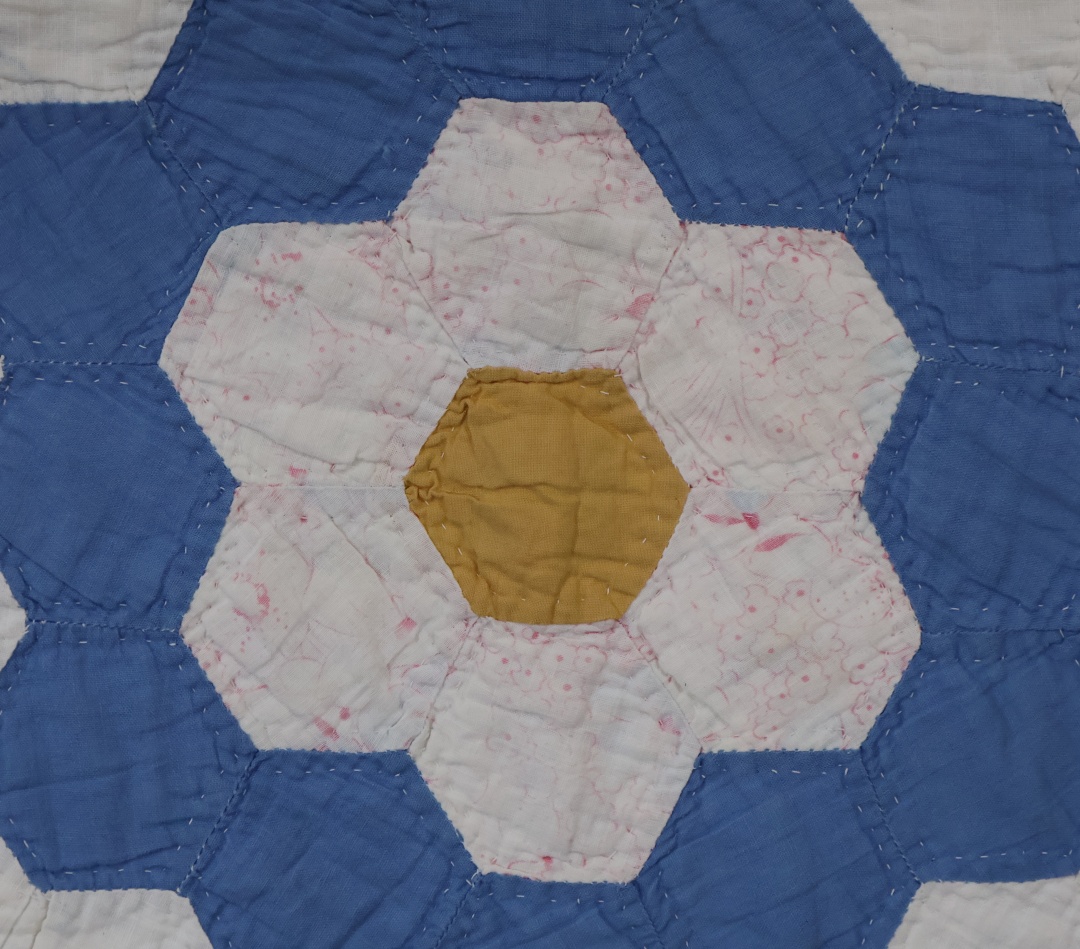
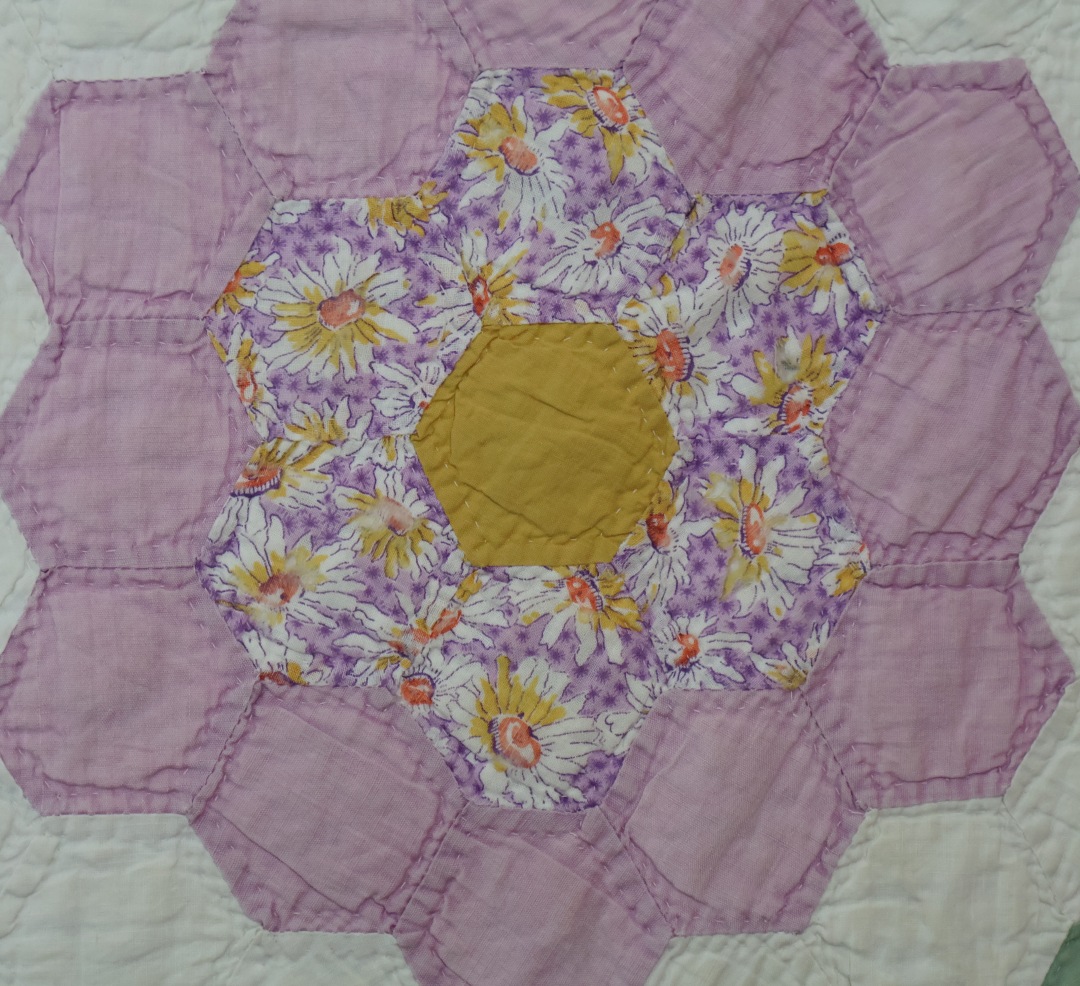
The defining feature is the pieced top, which may be geometric (squares, triangles, hexagons) or imaginative, incorporating appliqué, broderie perse, or reverse appliqué. These techniques allow makers to create anything from simple scrap-based designs to elaborate pictorial compositions.
Origins and History
Patchwork has ancient roots, with examples dating back around 5,000 years in China and Egyptian tombs. It became established in Britain by the 18th century, where it was both a domestic economy craft and a decorative pastime.
One of the earliest dated British examples is the 1718 Silk Patchwork Coverlet, made using paper templates and treasured silks—evidence that patchwork was not always a craft of necessity but
also one of status and artistry.
By the 19th century, patchwork expanded into storytelling: quilts depicted biblical scenes, world events, and symbolic motifs, reflecting the maker’s world and values
Techniques You’ll Encounter
- Piecework — sewing geometric shapes together.
- Appliqué — layering cut shapes onto a base fabric.
- Broderie perse — cutting motifs from printed cloth and reassembling them to mimic custom-printed textiles.
- Reverse appliqué — cutting away the top fabric to reveal a layer beneath.
- Trapunto, cording, stippling — quilting methods that add texture and relief.
These techniques allow patchwork quilts to range from rustic scrap quilts to highly refined works of textile engineering.


