

Description
What a Mihrab Is
A mihrab is the arched niche in a mosque wall that indicates the direction of Mecca. Over centuries, this architectural form became a powerful symbolic shape—a gateway, a threshold, a spiritual focus point.
Textile makers across the Islamic world adapted the mihrab into portable forms, especially prayer rugs, but also tapestries, embroideries, and woven hangings.
Mihrab shapes translate beautifully into cloth because they are:
• Symmetrical
• Architectural yet abstract
• Highly adaptable to regional styles
• Perfect frames for symbolic elements (lamps, trees, hands, flowers)
They also create a natural orientation in a textile—top, bottom, centre—which is ideal for devotional use.
Regional Variations in Mihrab Textile Design
🧿 Anatolian (Turkish)
• Bold, stepped or pointed arches
• Strong reds, blues, and greens
• Often include hanging mosque lamps (a reference to the Qur’anic “Light Verse”)
• Borders with tulips, carnations, or geometric kufic
Famous examples: Ladik, Gördes, and Kula prayer rugs.
🐪 Persian (Iranian)
• More curvilinear, elegant arches
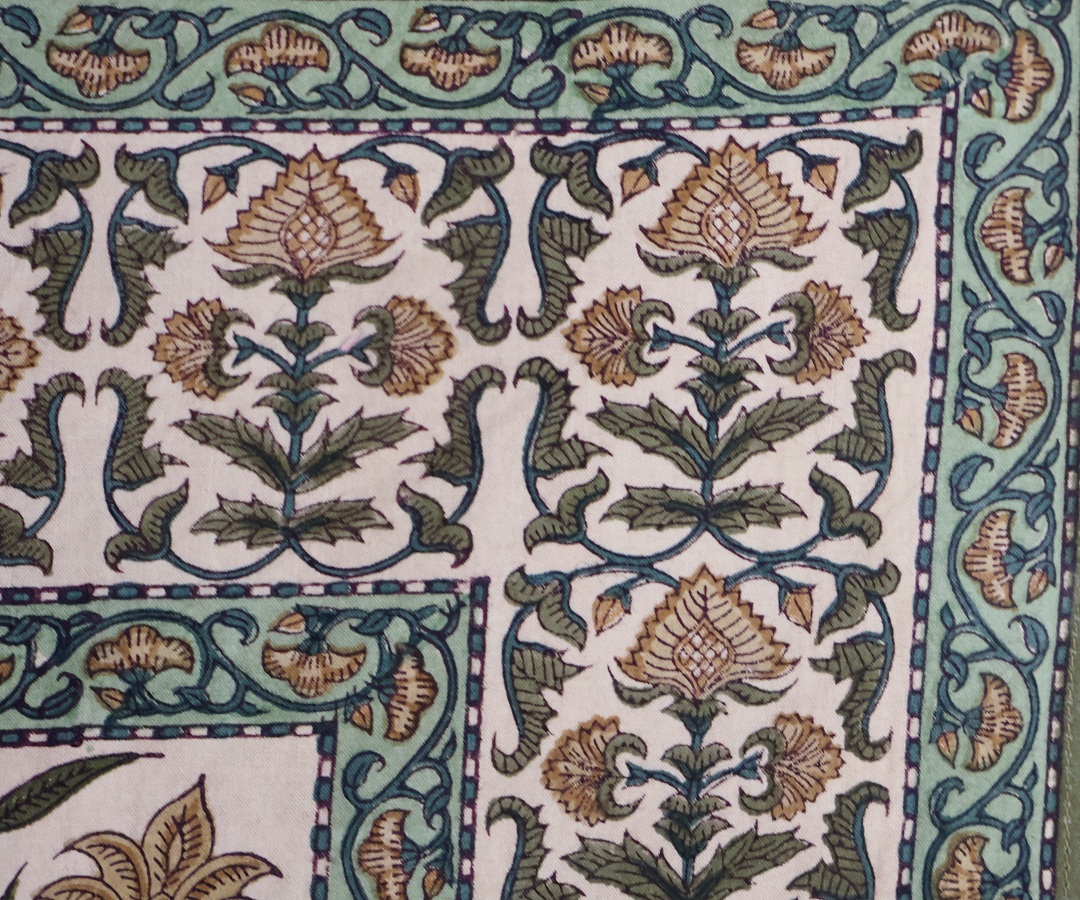
• Rich floral infill: lotus, palmettes, vines
Persian mihrab rugs often feel like miniature gardens.
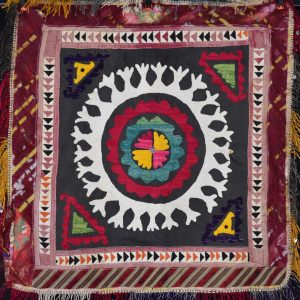
🏔 Central Asian (Uzbek, Turkmen)
• More abstracted mihrab shapes
• Strong tribal geometry
• Deep reds, ochres, and indigo
• Turkmen pieces may have a mihrab that is almost hidden within the gül patterning
These are wonderful if you like the tension between structure and abstraction.
🐑 Caucasian
• Angular, stepped mihrabs
• Bold, high-contrast colours
• Motifs like hands, combs, amulets, and stars
• Borders full of talismanic symbols
These often feel the most “graphic” and modern.
🕌 North African (Moroccan, Tunisian)
• Simpler, more architectural mihrabs
• Strong use of stripes and flatweave techniques
• Sometimes incorporate amuletic motifs like the hand of Fatima