Description
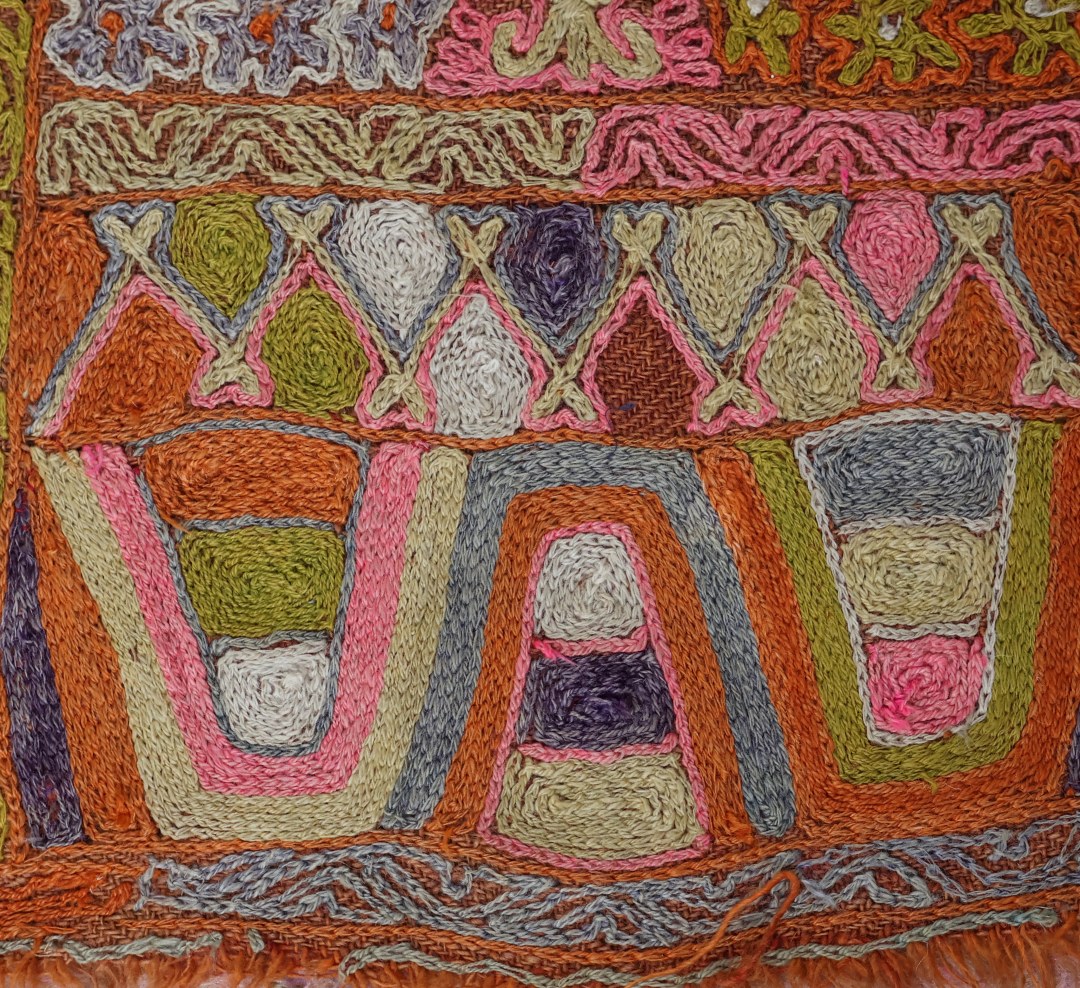
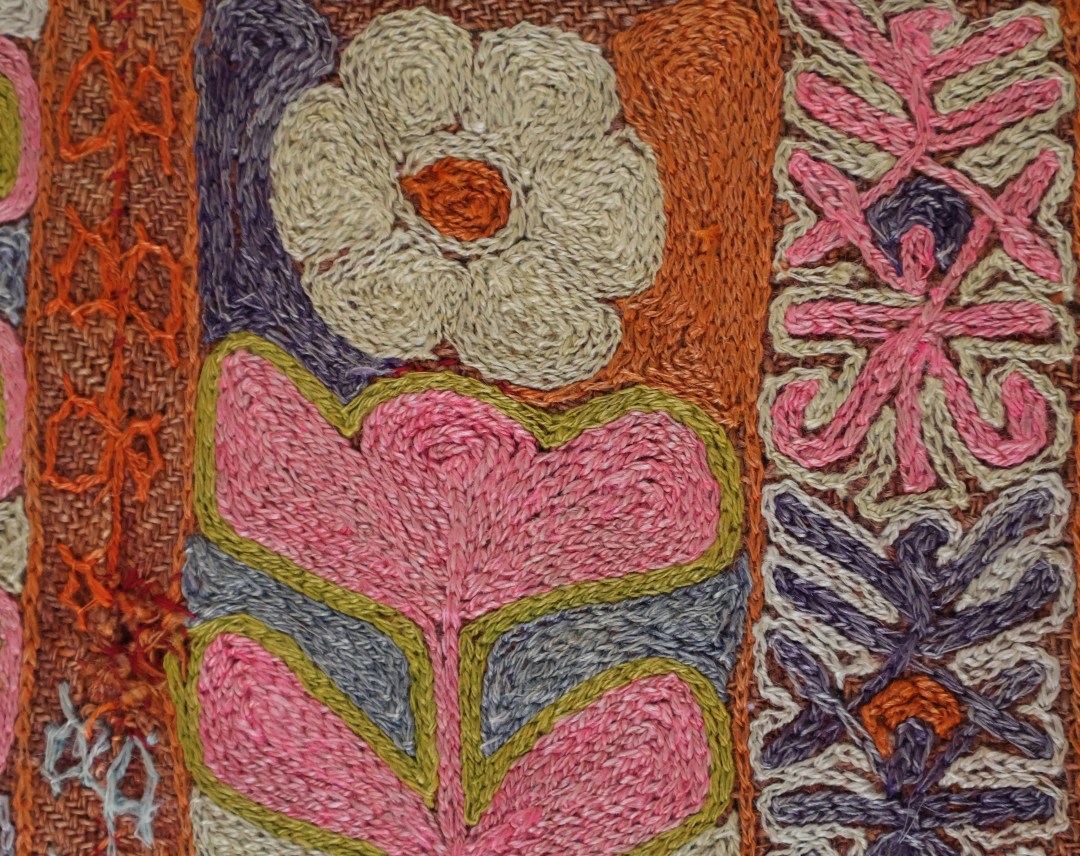
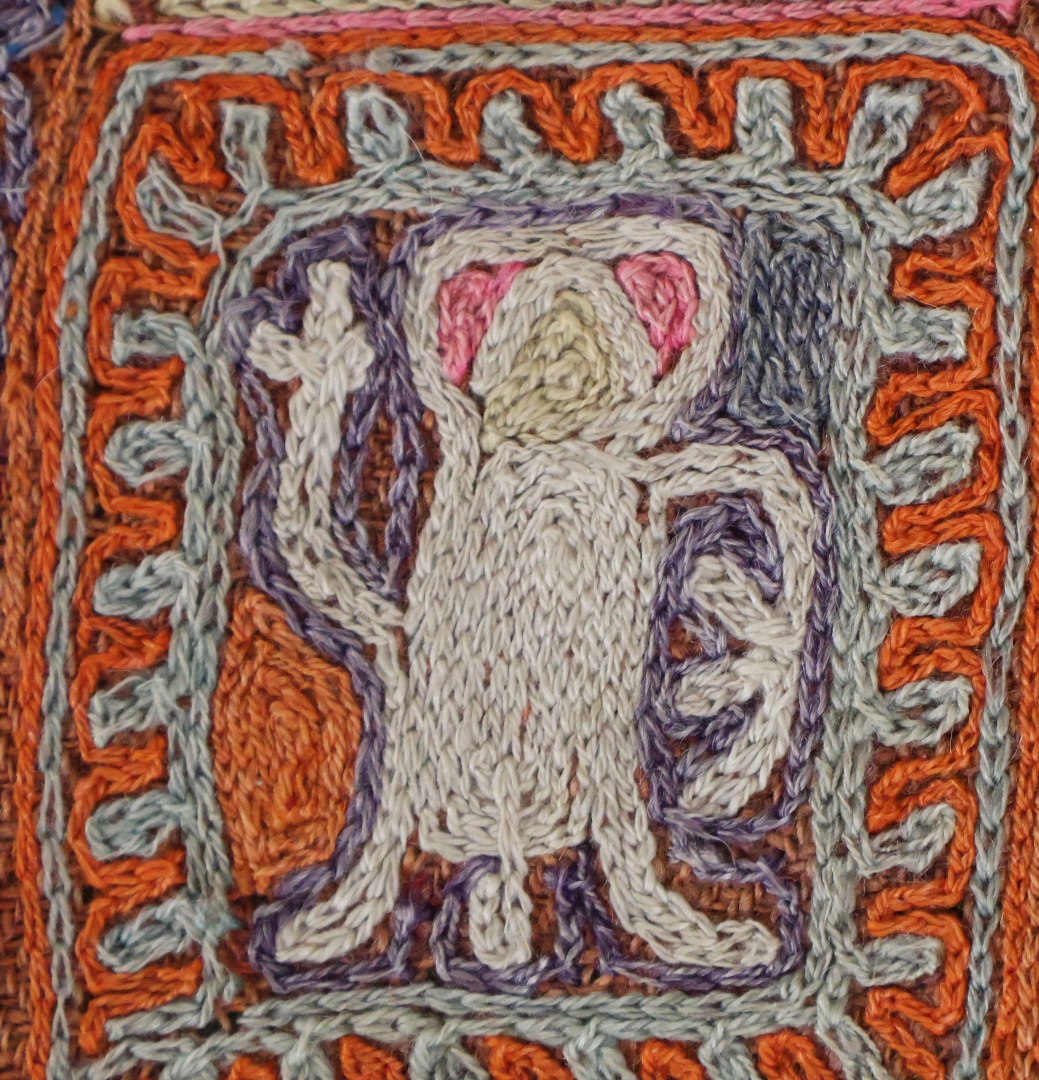
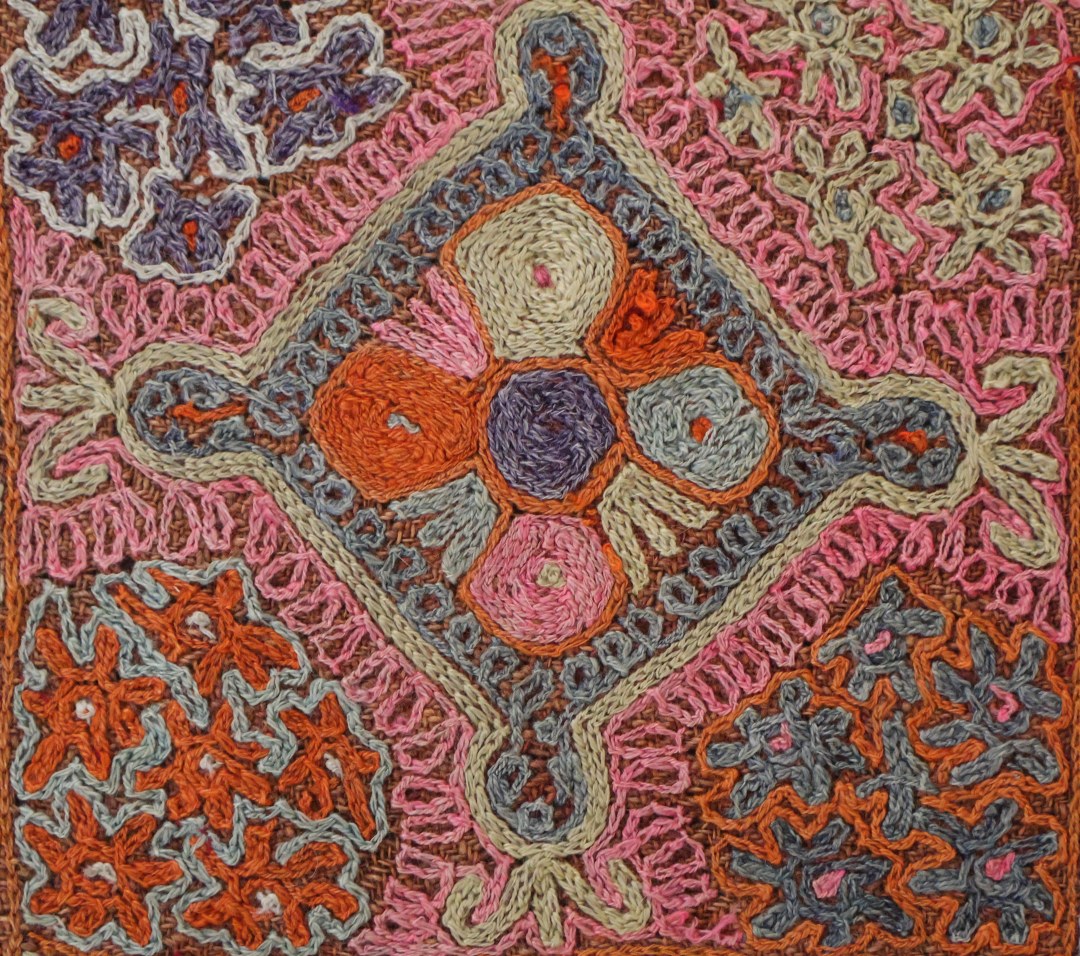
A Marsh Arab wedding blanket—the Maʿdān izar—is one of the most symbolically rich and technically distinctive textiles from southern Iraq.
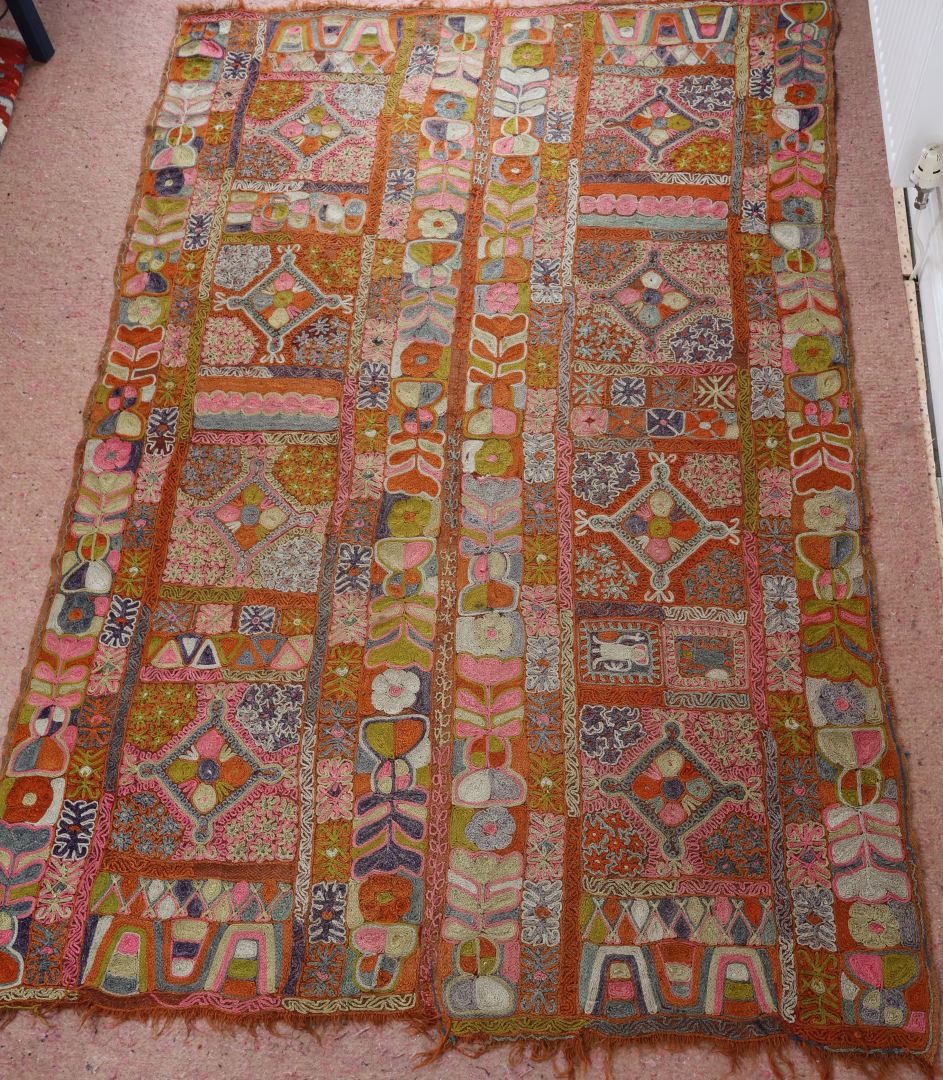
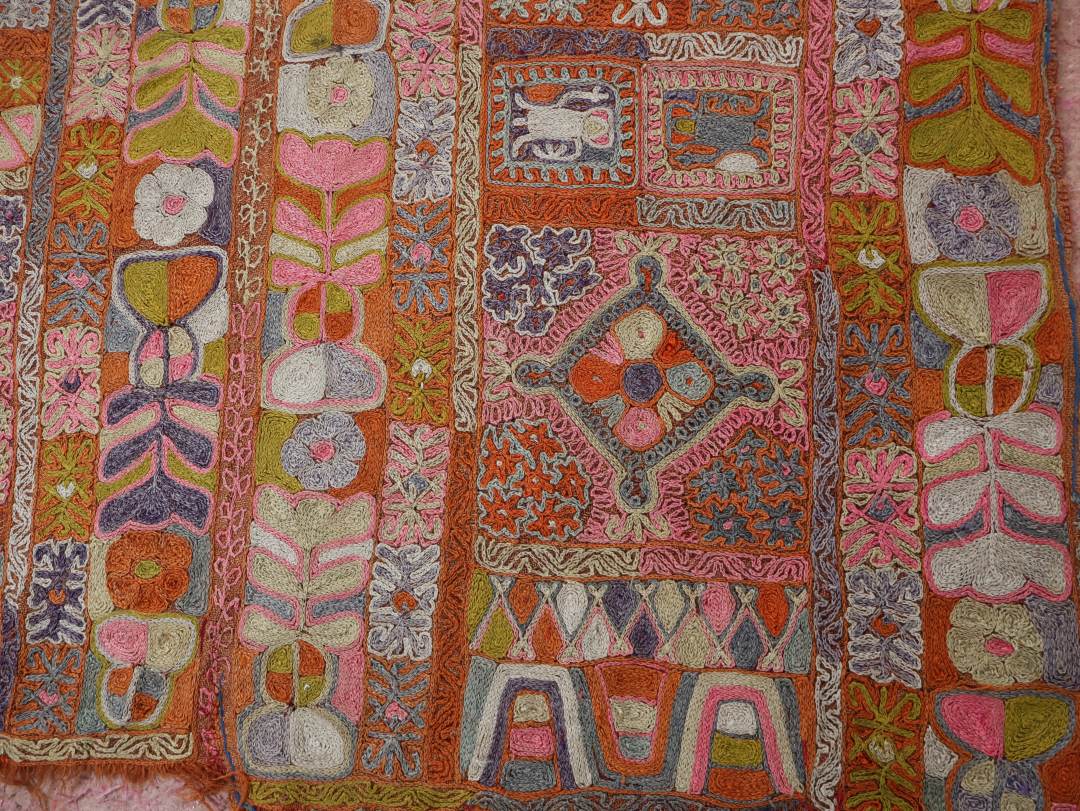
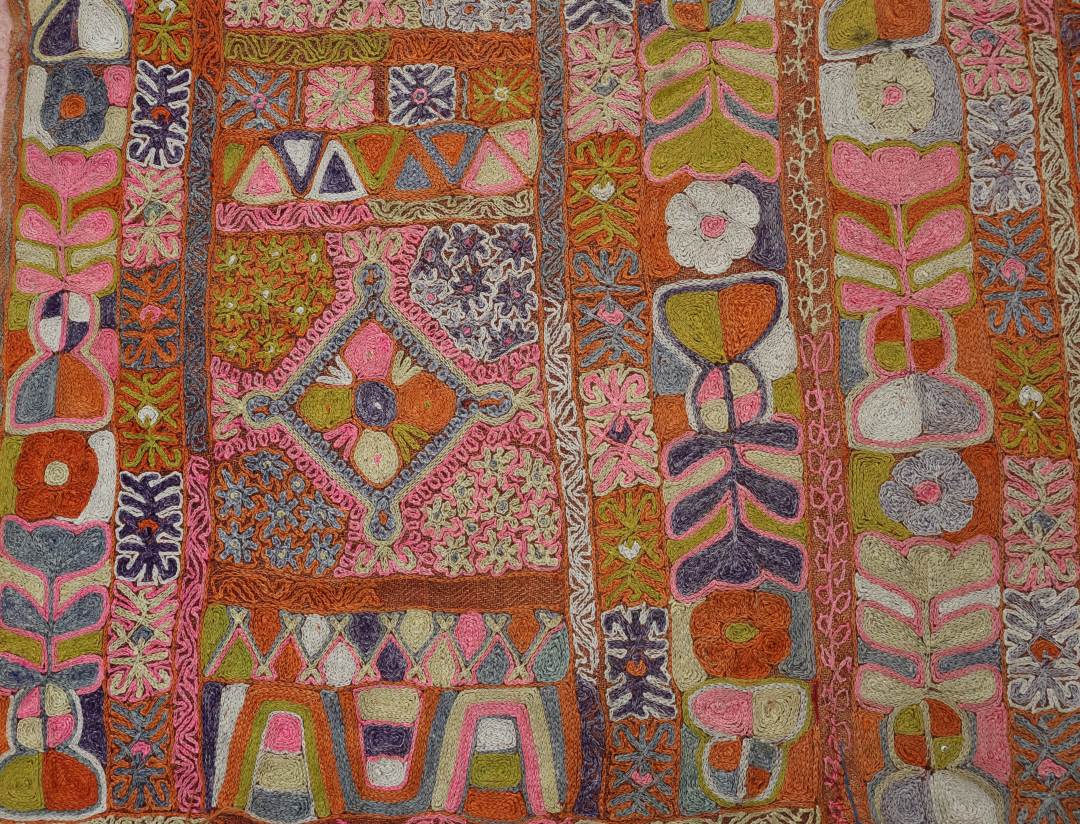
A Marsh Arab wedding blanket (izar, sometimes called Izar al‑Samawah) is a hand‑embroidered wool textile traditionally made by young Maʿdān women of the southern Iraqi marshes. These blankets were created for a bride’s trousseau and used daily after marriage.
They are instantly recognisable for:
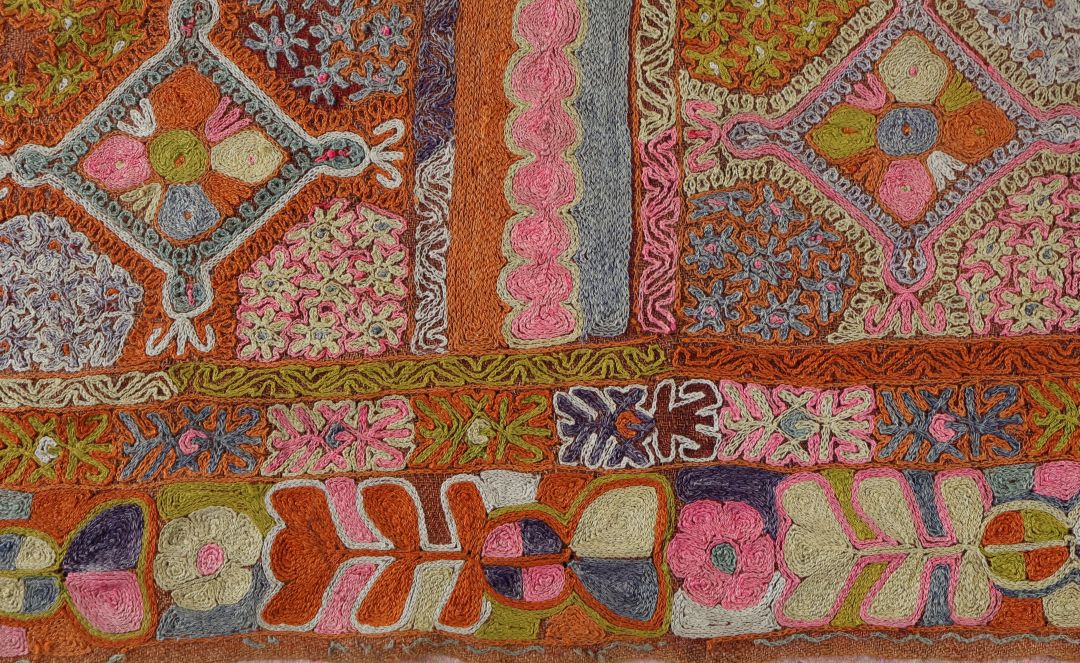
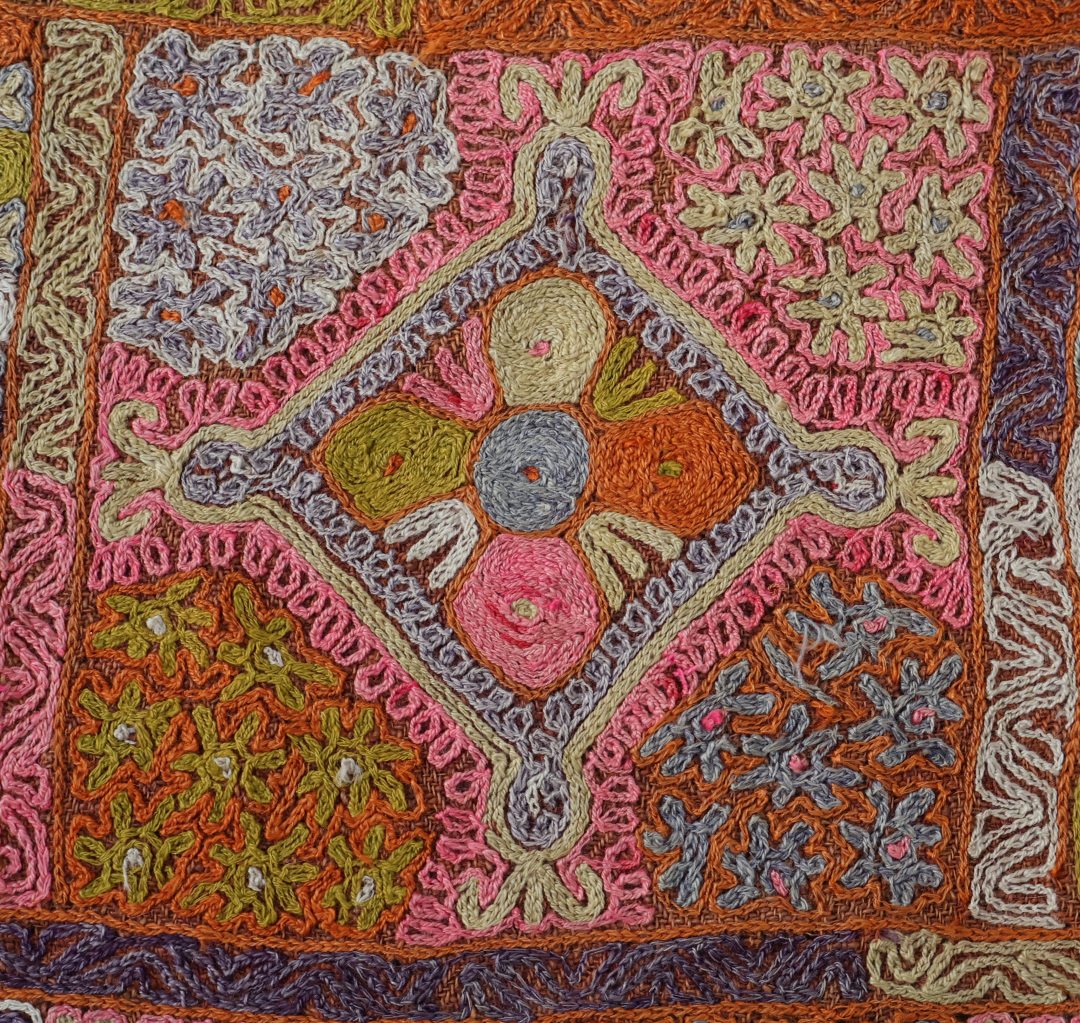
- Dense, colourful embroidery that often covers the entire surface
- Twill‑woven reddish‑brown wool cloth as the base
- Two narrow woven panels joined and concealed with embroidery
- Crochet‑hook chain‑stitching, not needle embroidery
-
A Marsh Arab wedding blanket (izar, sometimes called Izar al‑Samawah) is a hand‑embroidered wool textile traditionally made by young Maʿdān women of the southern Iraqi marshes. These blankets were created for a bride’s trousseau and used daily after marriage.
They are instantly recognisable for:
- Dense, colourful embroidery that often covers the entire surface
- Twill‑woven reddish‑brown wool cloth as the base
- Two narrow woven panels joined and concealed with embroidery
- Crochet‑hook chain‑stitching, not needle embroidery
-
These blankets were not decorative luxuries—they were markers of skill, status, and identity.
- Made by unmarried girls for their own weddings; the most skilled embroiderers were highly respected.
- Used daily, not preserved as heirlooms, which explains why older examples are rare.
- Symbolic motifs reflect a deep cultural layering: Sumerian rosettes, celestial symbols, Bedouin influences, and possibly Roma and East African motifs absorbed over centuries.
For someone like you—who values symbolism, ritual meaning, and authentic handwork—these blankets are a treasure trove.
Weaving
- The cloth was woven by male specialists, often Kurdish, on four‑harness looms.
- Assembly
- Two woven strips were embroidered separately, then joined.
- The seam was hidden under additional embroidery, making the blanket appear seamless.
The designs are a visual archive of the marshlands’ cultural history:
- Rosettes – echoing ancient Sumerian cylinder seals
- Stars and crescents – celestial protection symbols
- Chevrons and zigzags – water, movement, fertility
- Amuletic forms – protective geometry