Description
Turkman (Turkmen) clothing is one of Central Asia’s most visually striking textile traditions, defined by bold colour, symbolic embroidery, and garments designed for nomadic life.
Characteristics:
• Rich embroidery created by women, often learned from childhood.
• Symbolic colours, especially deep reds, believed to offer protection.
• Natural materials like silk, wool, and cotton suited to desert climates.
• Garments that signal identity — tribe, region, age, and marital status
Clothing types:
Chapan (Overcoat)
• Long, warm coat made of velvet or patterned fabric.
• Worn for ceremonies and colder seasons.
Koynek (Tunic)
• Loose cotton or linen tunic, sometimes lightly embroidered.
Telpek (Sheepskin Hat)
• Large, woolly hat—white, brown, or black—indicating status.
Shalvar (Trousers)
• Loose trousers tied at the ankle; practical for riding and daily work.
Karakul Dress
• Long, flowing silk or cotton dress, richly embroidered.
• Colours like ruby, maroon, and crimson are traditional and symbolic.
Chador (Veil)
• Worn for modesty and protection from sun and wind.
Embroidery
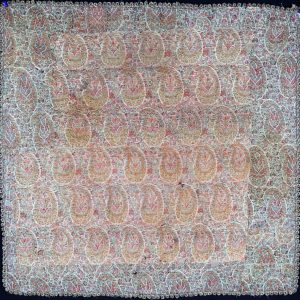
• Dense, region-specific motifs on collars, sleeves, and headdresses.
• Red embroidery believed to protect against the evil eye and aid childbirth.
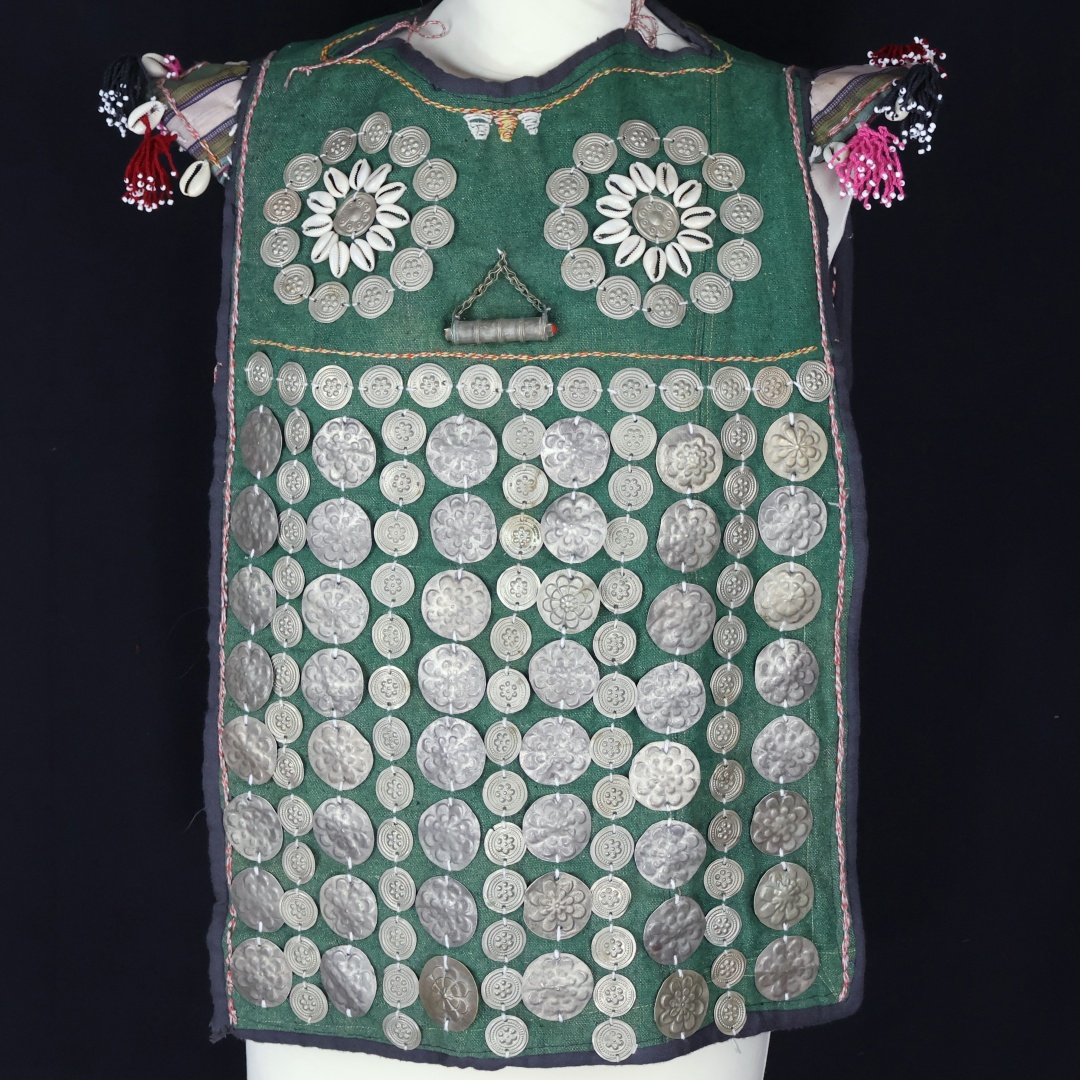
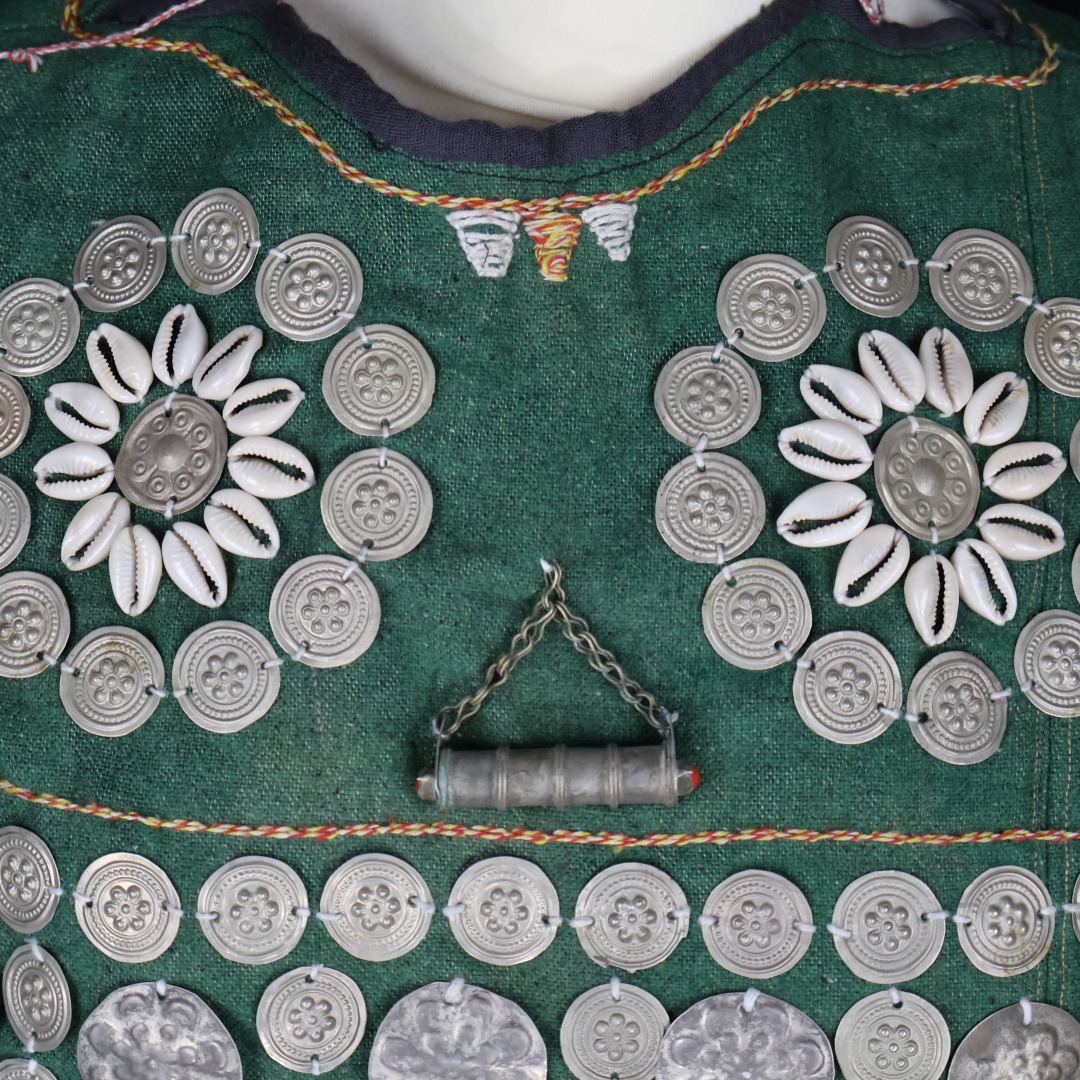
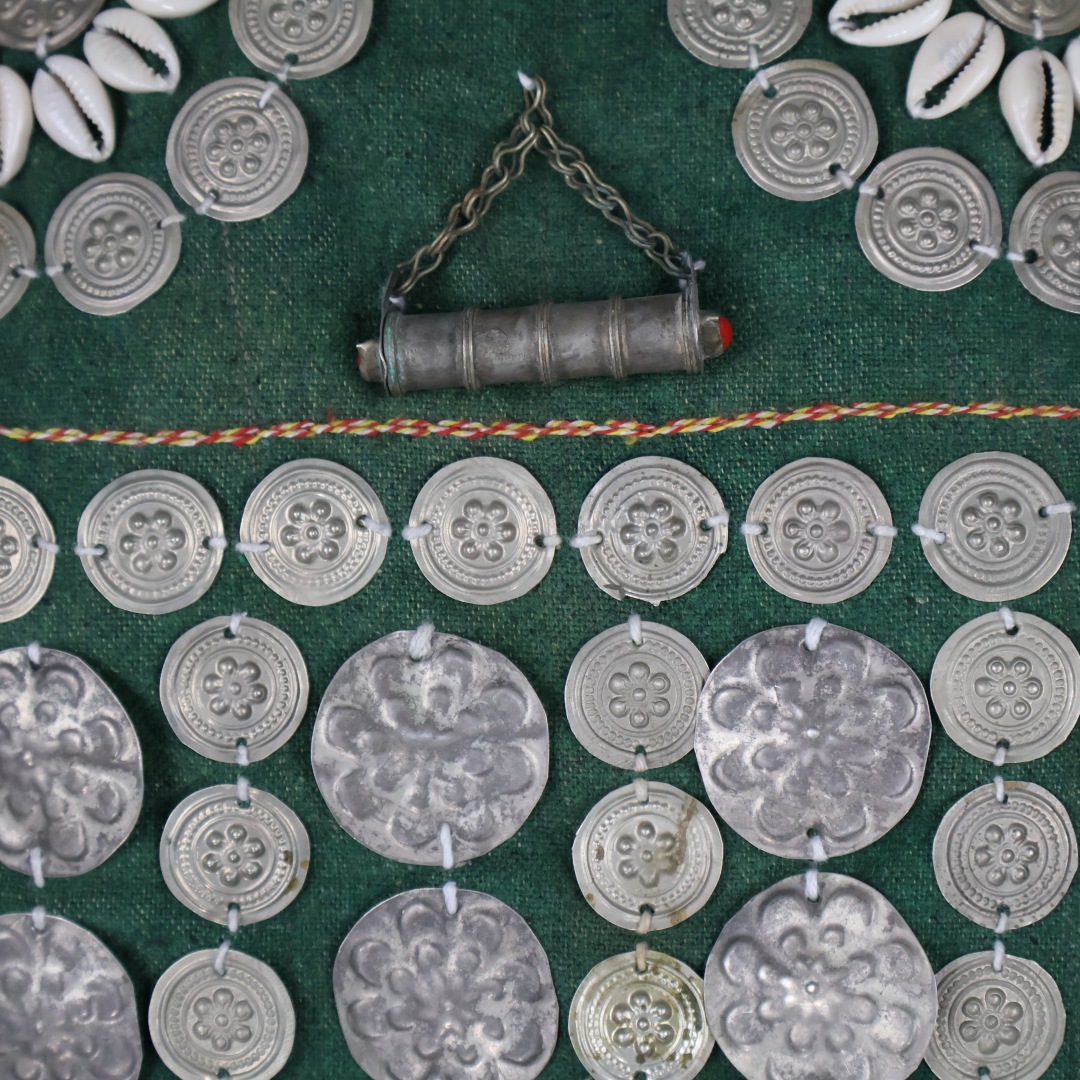
Turkmen jewellery is bold, heavy, and symbolic:
• Silver with carnelian stones for protection.
• Large pendants, belts, and headdresses worn especially for weddings