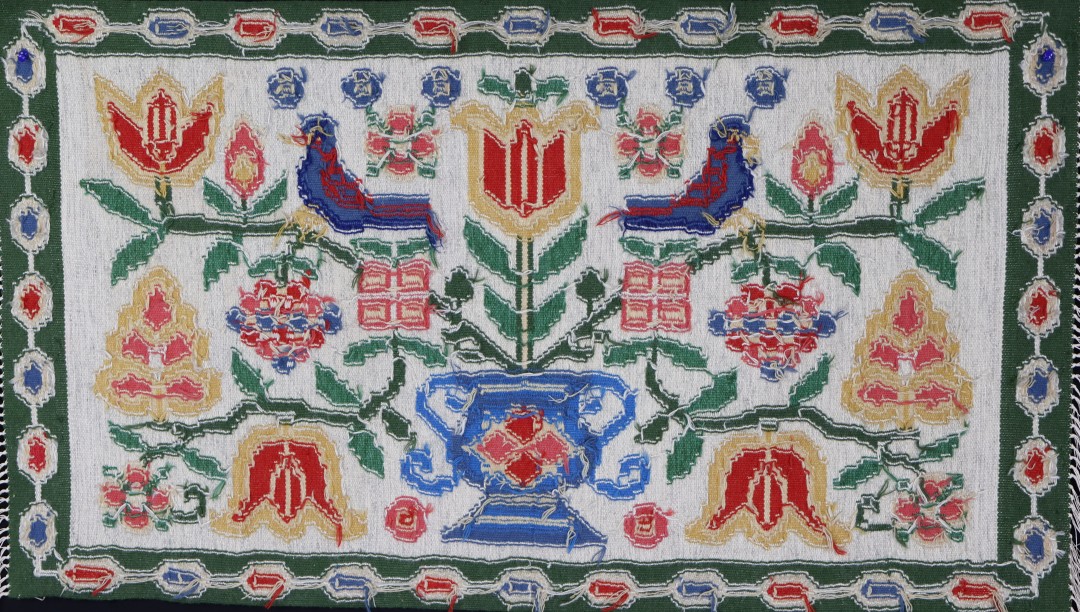
Description
Swedish tapestry refers to several distinct but interconnected textile traditions in Sweden, ranging from medieval painted hangings to highly sophisticated woven techniques like flamskväv and the 20th‑century studio works of Märta Måås‑Fjetterström. Below is a structured, detailed overview tailored to your deep interest in global textile traditions, symbolism, and craftsmanship.
The term covers three major traditions, each with its own techniques, motifs, and cultural role:
- Court and aristocratic woven tapestries (1500–1800s) Large-scale woven hangings influenced by Flemish and French workshops, often produced for Swedish royal castles.
- King Gustav Vasa imported Flemish weavers in the 1530s to establish royal workshops.
- Themes were biblical, allegorical, or heraldic, used for insulation and prestige.
- By the 18th century, chair covers and smaller decorative pieces dominated, influenced by Gobelins-trained weavers.
- Folk-art painted tapestries (bonadsmåleri) (1630–1850)** These are painted linen hangings, not woven—an important distinction.
- Earliest examples date to 1630–1640.
- Motifs include biblical scenes (Three Wise Men, Parable of the Ten Virgins), festive processions, and everyday life.
- Created by farmers and craftsmen, not trained artists—making them a democratic art form.
- Hung seasonally (Christmas, weddings), then rolled away.Regional woven folk tapestries, especially flamskväv (Skåne) This is the tradition most textile collectors prize today.
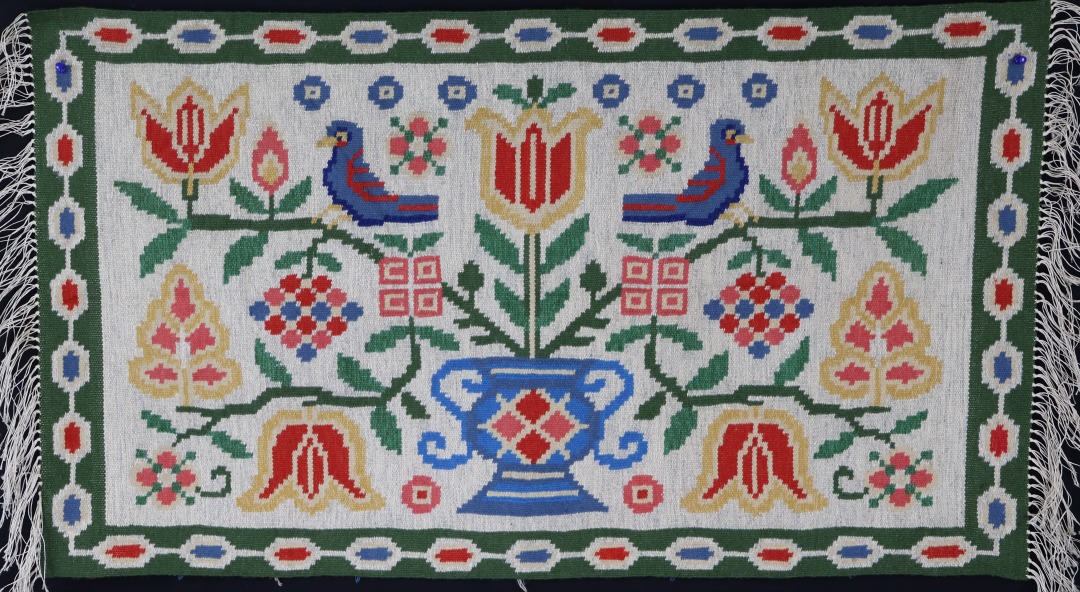
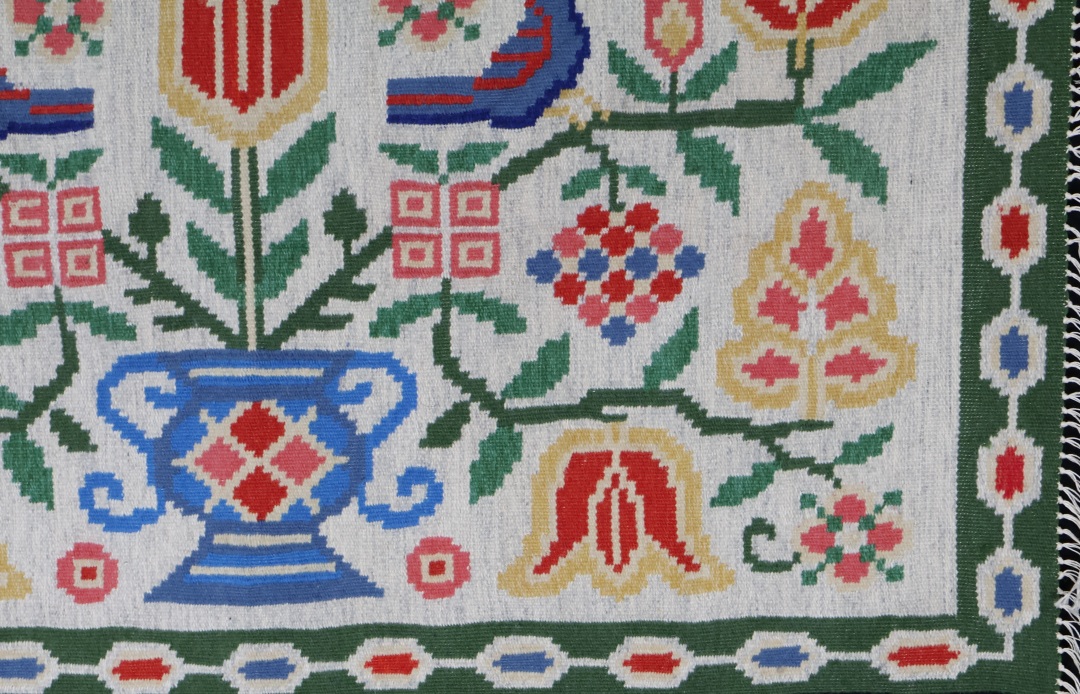
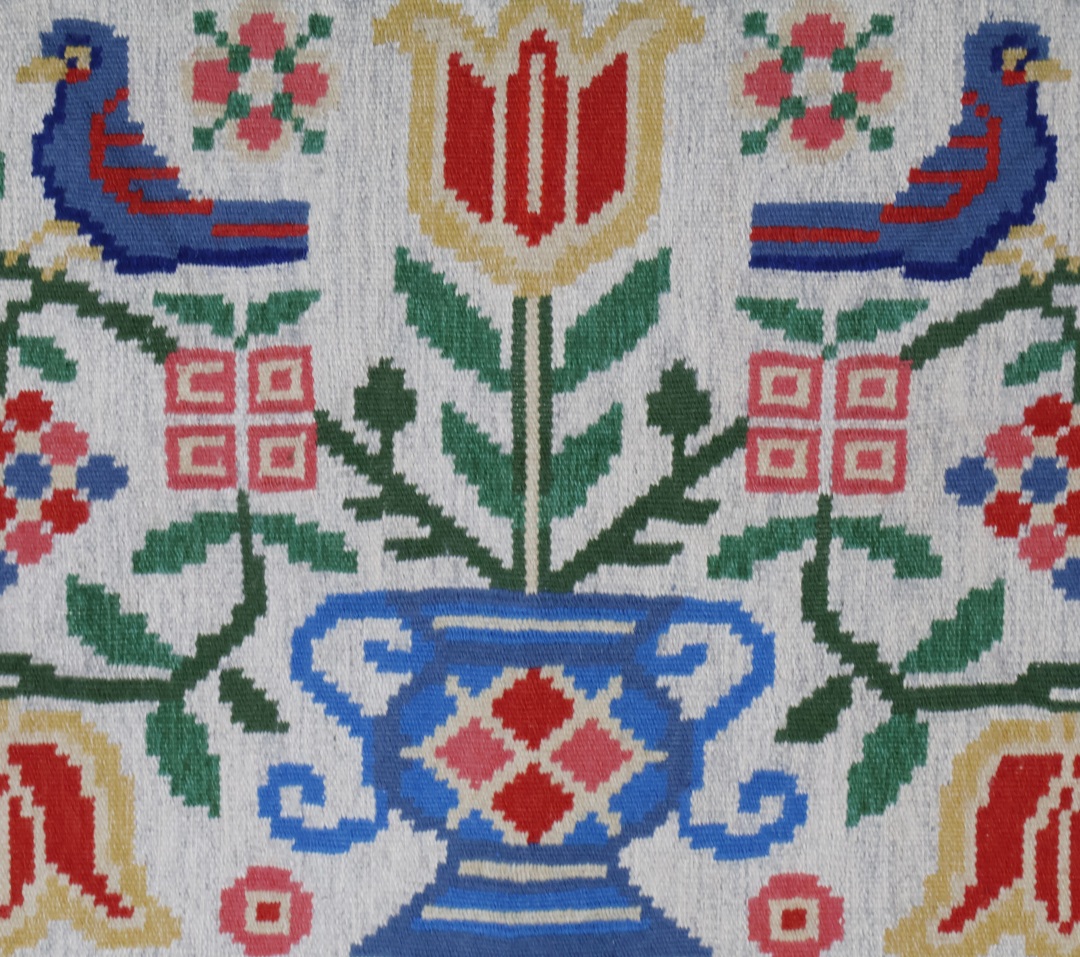
- Flamskväv is a sideways-woven tapestry technique derived from Flemish gobelin weaving.
- Produced mainly in Skåne, a region with deep Flemish influence.
- Woven on upright looms, but the warp runs horizontally in the finished textile—unique to this tradition.
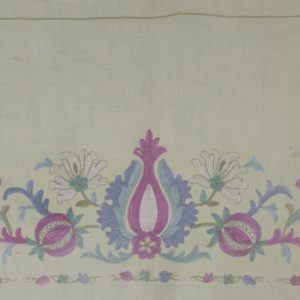
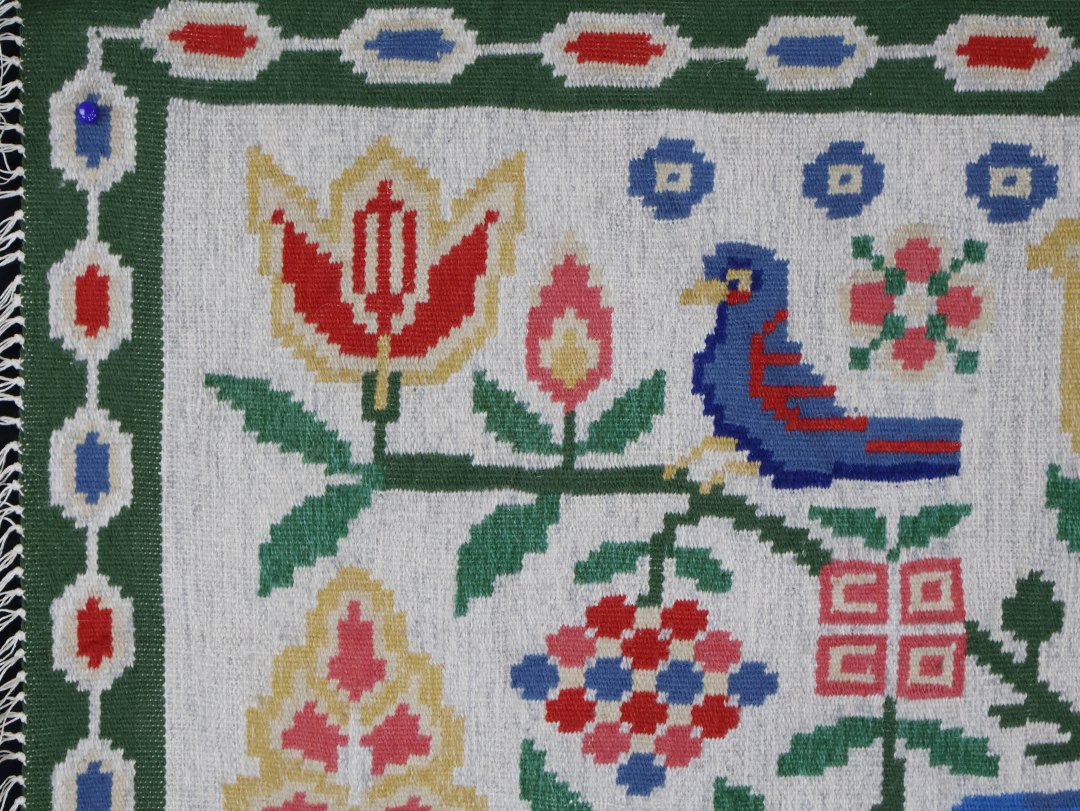
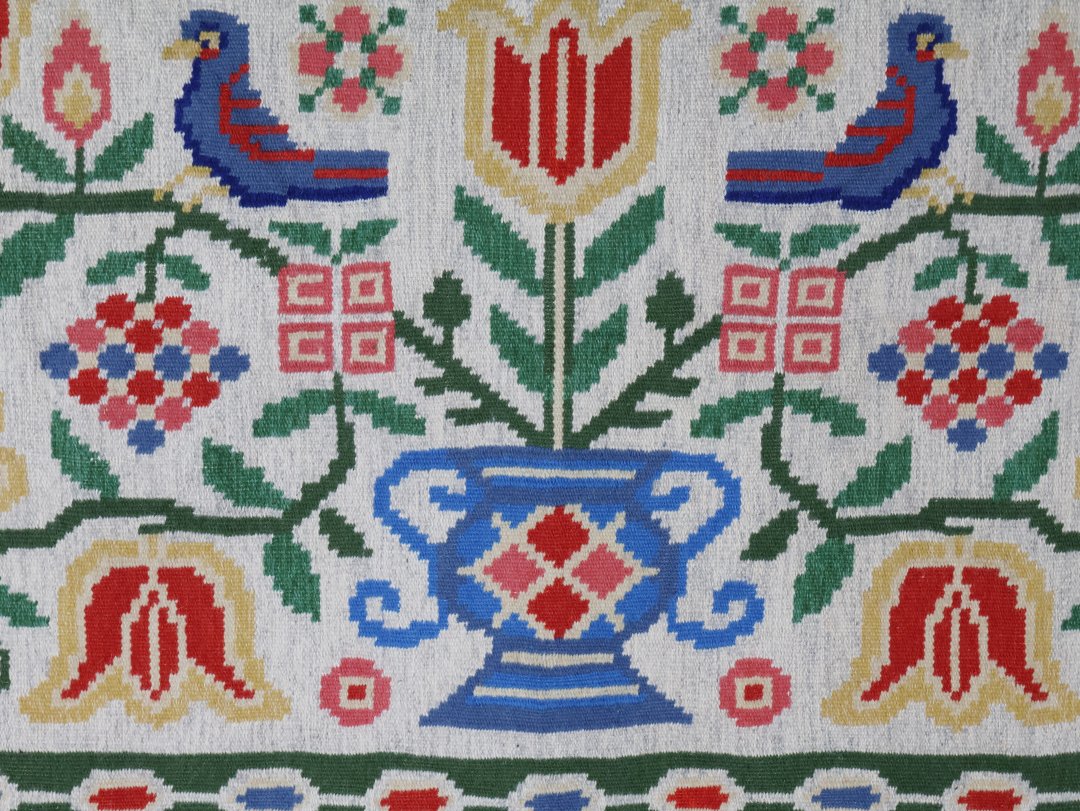
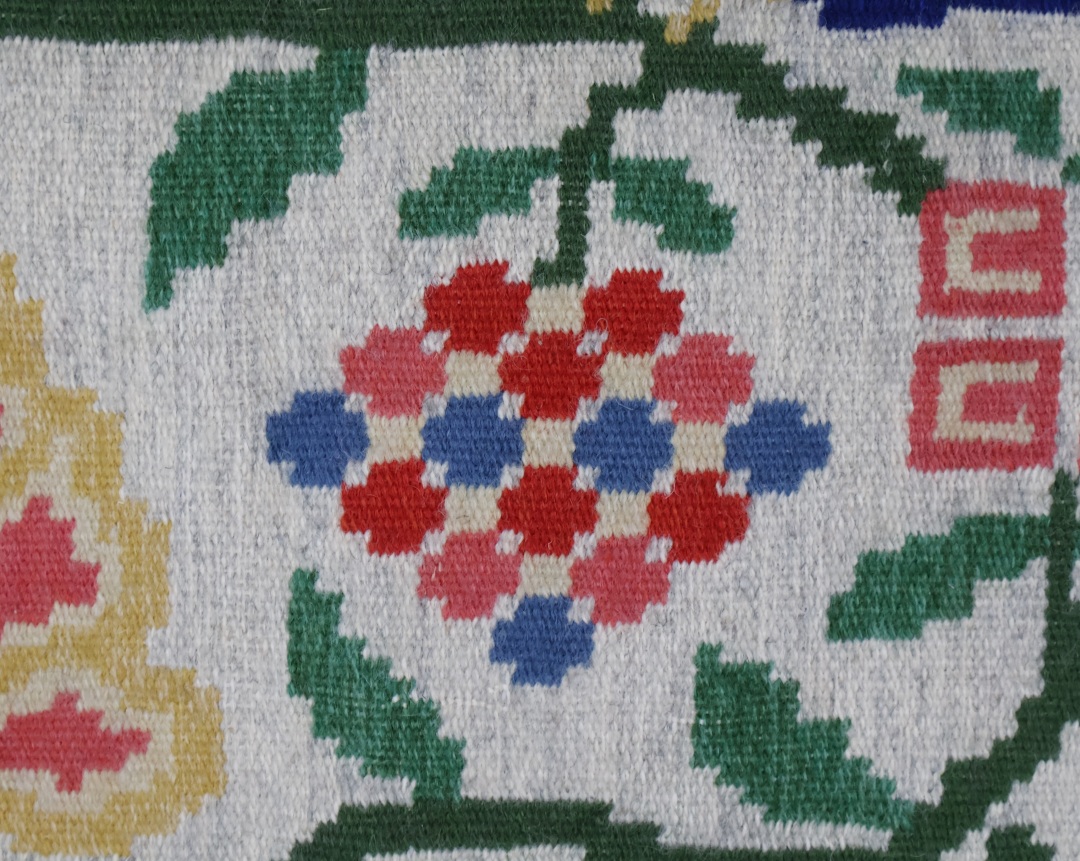
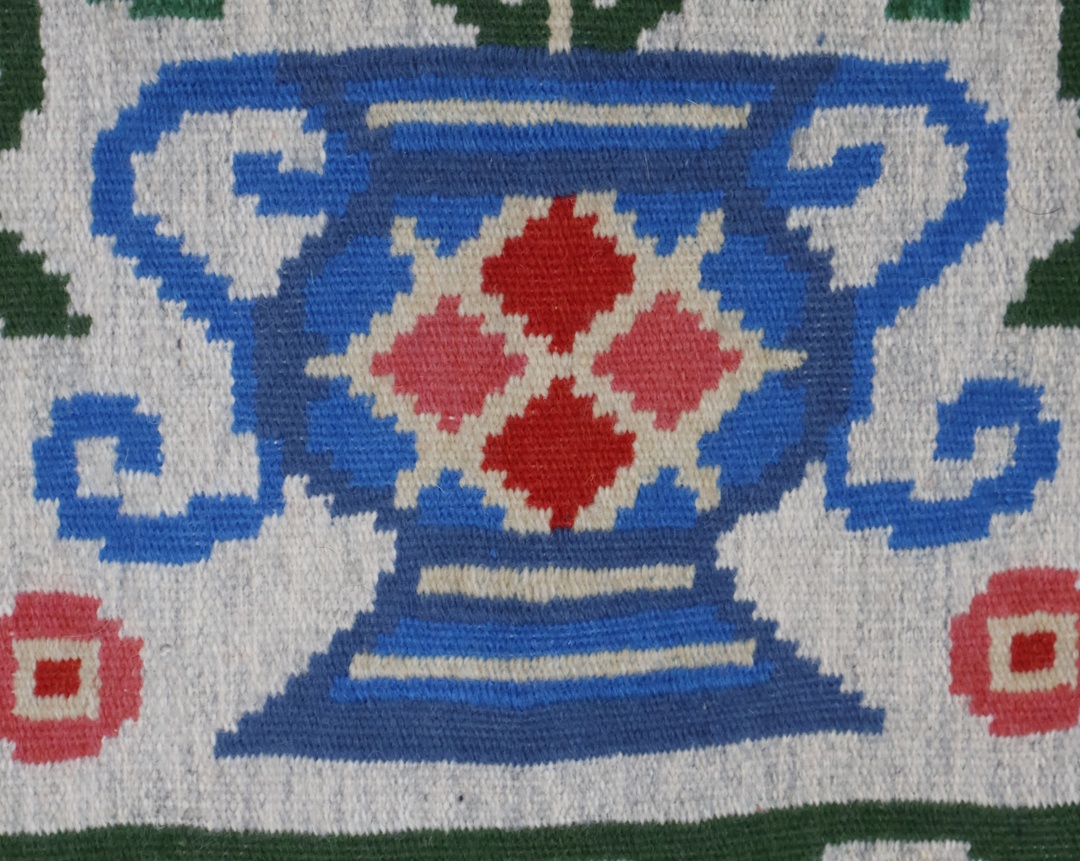
- Motifs include birds, trees of life, stylised flowers, geometric borders, and protective symbols.
- Natural dyes: yellow from apple bark or birch leaves; reds from madder; blues from woad.
Key characteristics of Swedish woven tapestries
1. Technique
- Dovetail tapestry in early court pieces (Flemish influence).
- Sideways-woven gobelin technique in flamskväv.
- Flatwoven, tightly beaten wool on linen warp.
2. Motifs & Symbolism
- Birds (often paired): harmony, marriage, domestic prosperity.
- Trees of life: continuity, fertility, protection.
- Geometric borders: inherited from medieval Scandinavian patterning.
- Christian iconography in both court tapestries and bonadsmåleri.
3. Colour palette
- Warm reds, indigo blues, soft yellows, and natural browns—rooted in plant dyes.
- Skåne pieces often have high contrast and bold graphic clarity.