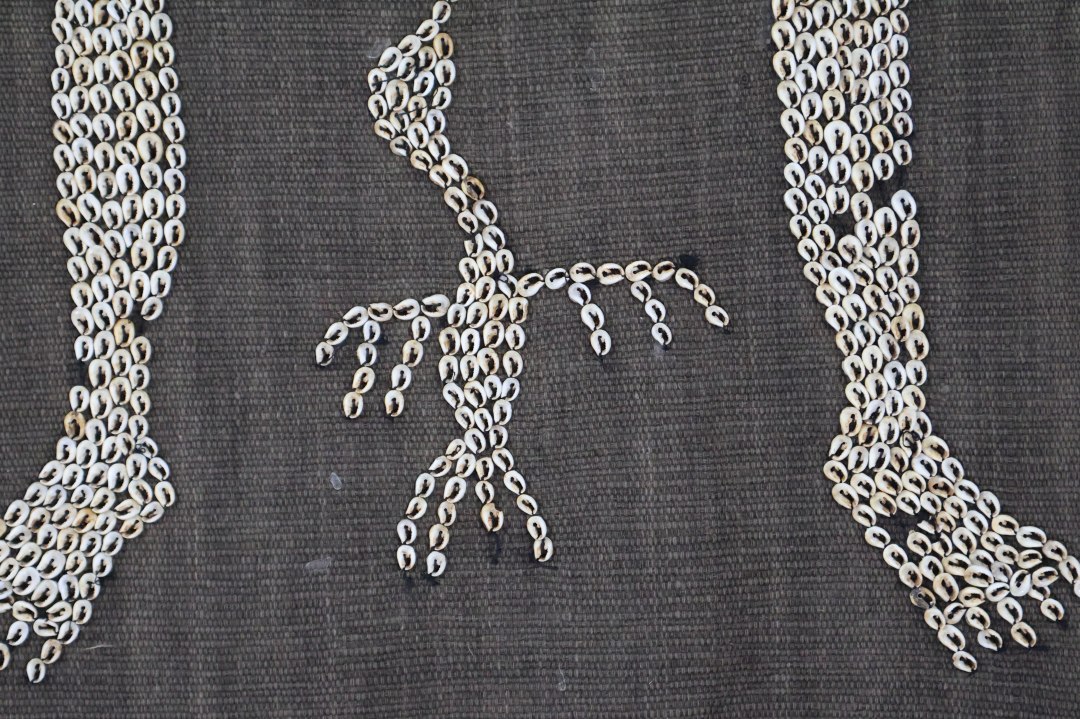
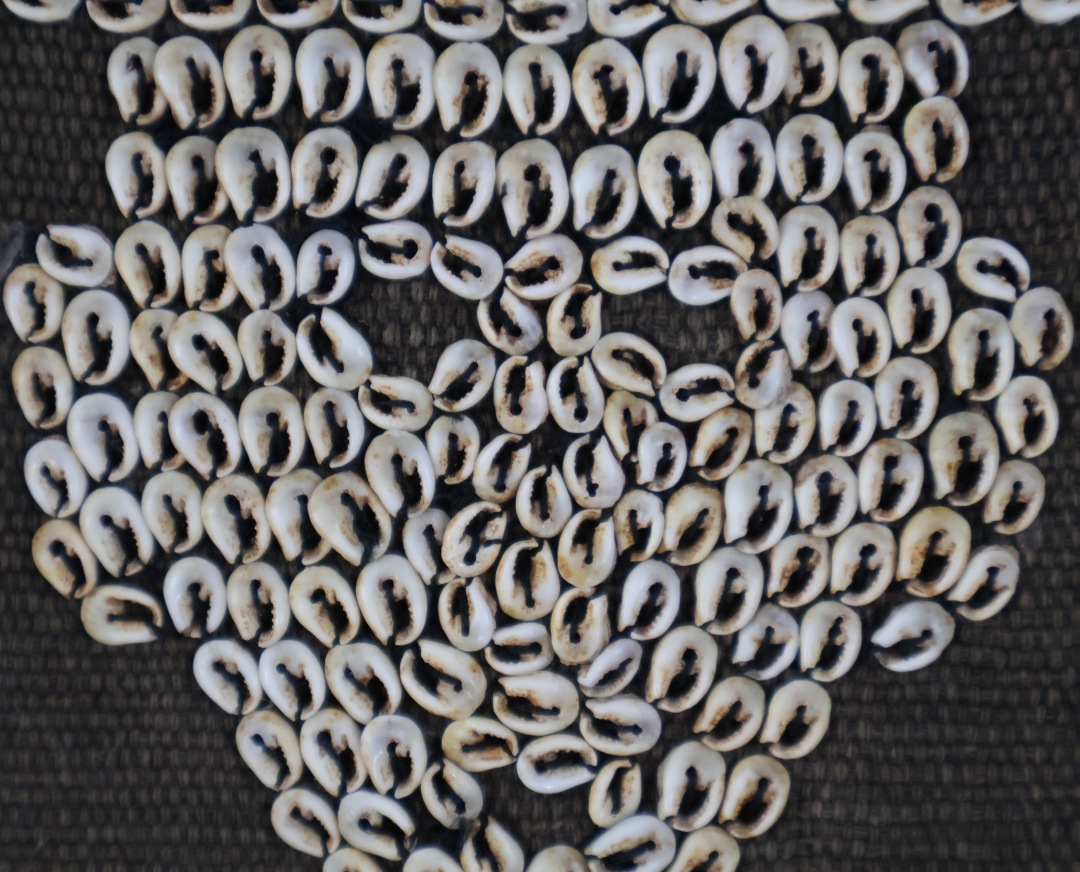
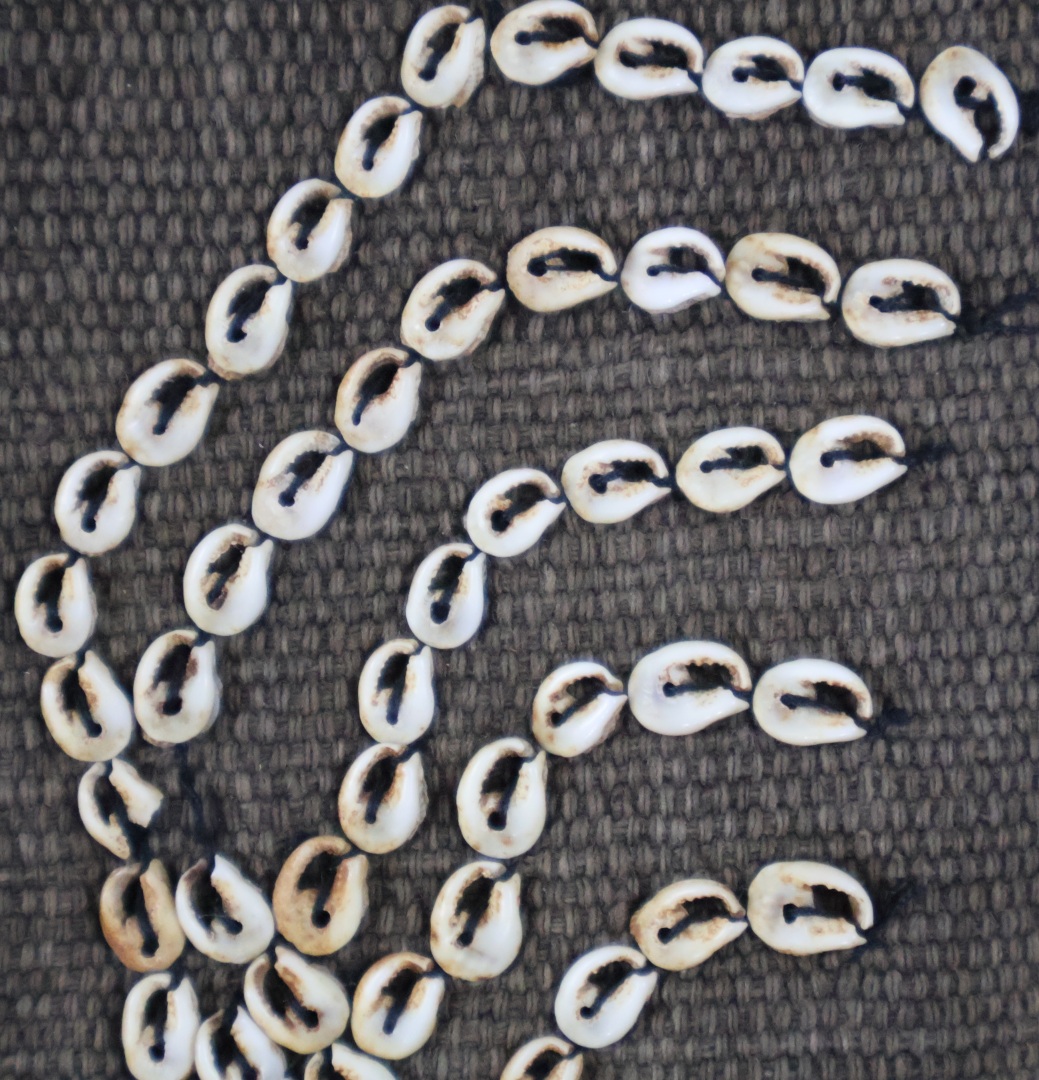
Description
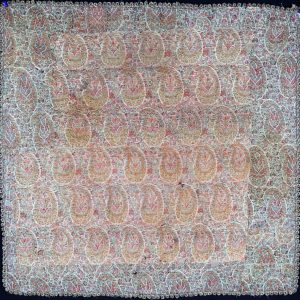
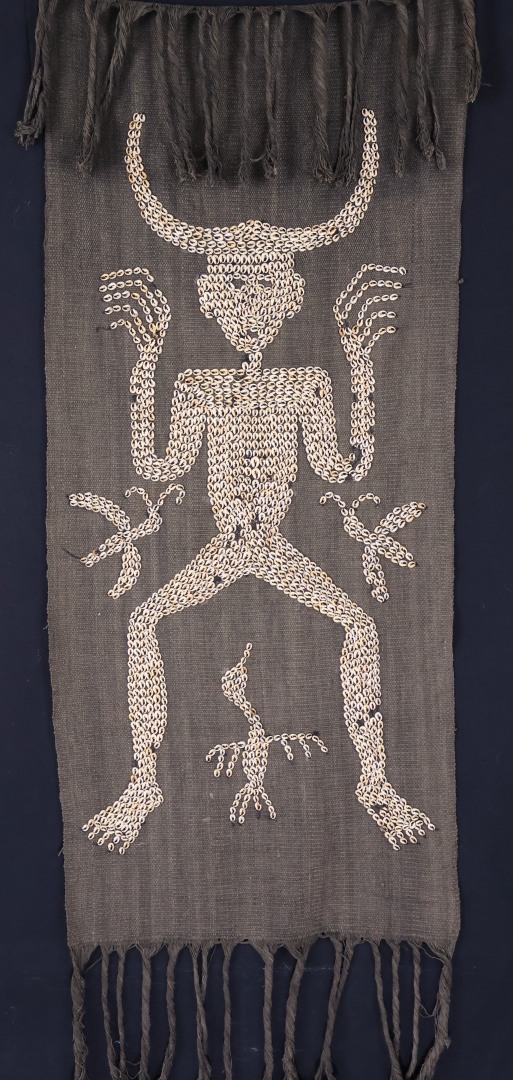
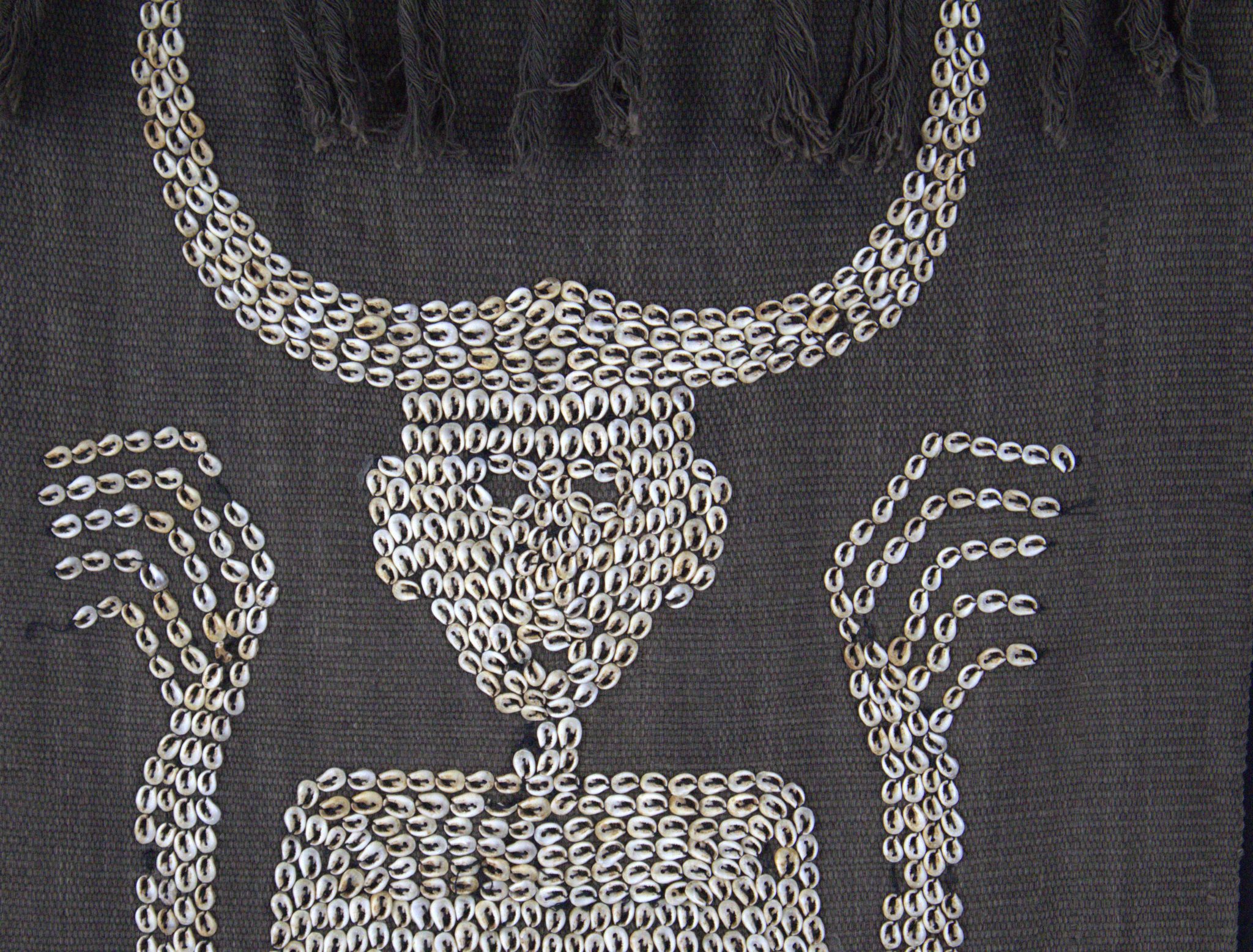
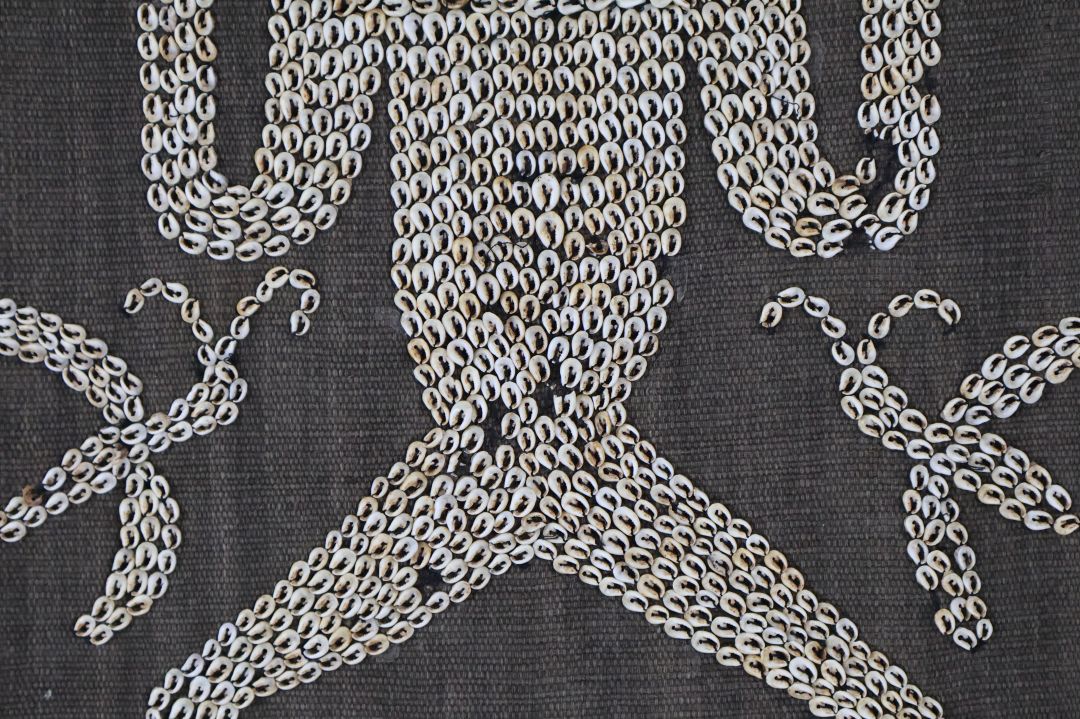
Indonesian textiles are among the most diverse and symbolically rich in the world, ranging from the globally renowned batik of Java to the regal songket of Sumatra and the vibrant ikat of eastern islands. Each textile is not only a work of art but also a cultural narrative woven into fabric.
Key Types of Indonesian Textiles
• Batik (Java)
• Created using a wax-resist dyeing technique.
• Designs vary by region: Yogyakarta and Solo favor earthy browns and indigo, while coastal batiks are brighter.
• Traditionally worn during ceremonies, with motifs symbolizing fertility, prosperity, or protection.
• Songket (Sumatra)
• Luxurious handwoven cloth with gold or silver threads.
• Associated with royalty and prosperity.
• Often worn at weddings and formal rituals, representing elegance and high status.
Ikat (Sulawesi, Timor, Flores)
• Threads are dyed before weaving, producing geometric and symbolic patterns.
• Designs often reflect spiritual beliefs, natural phenomena, or ancestral stories.
• Tenun (Bali, Nusa Tenggara)
• Handwoven fabrics with motifs tied to nature and spirituality.
• Used in ceremonies, connecting the wearer to cultural rituals.
Symbolism and Cultural Role
• Textiles are deeply tied to life events—births, marriages, and funerals.
• Motifs often carry spiritual or protective meanings (e.g., Bali’s Endek fabric links to Hindu beliefs).
• They serve as markers of identity and status, distinguishing regions and social classes.