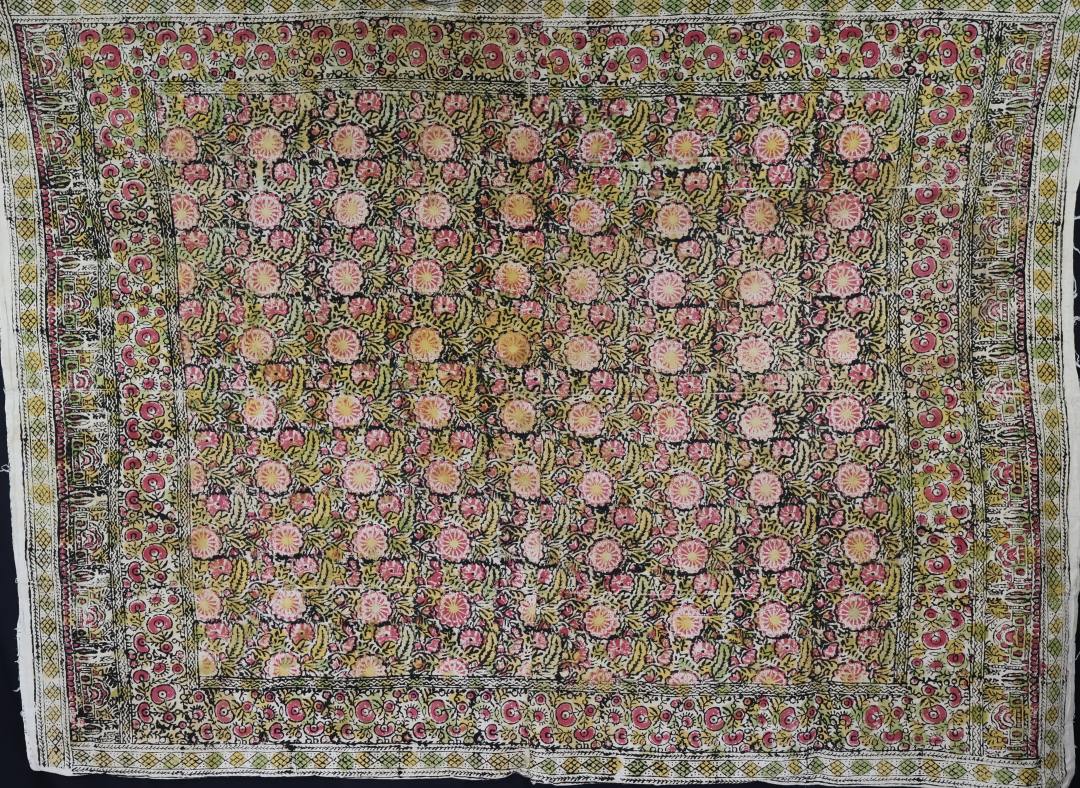
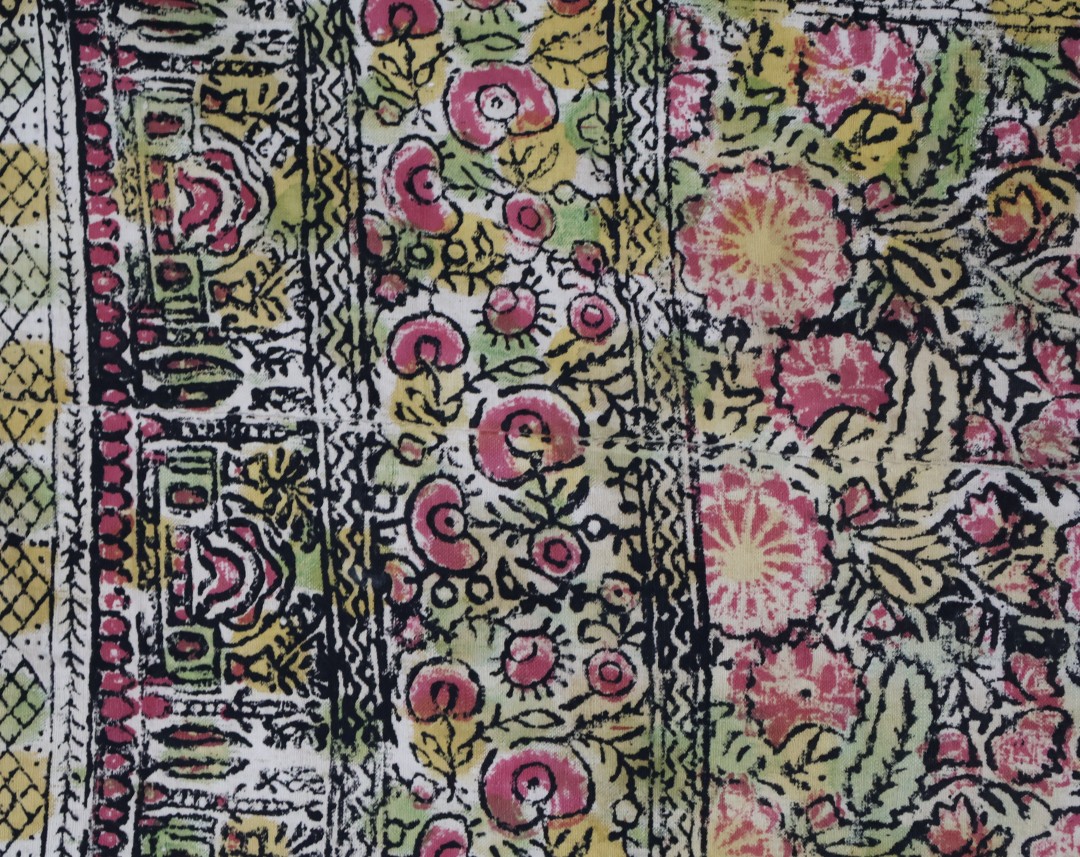
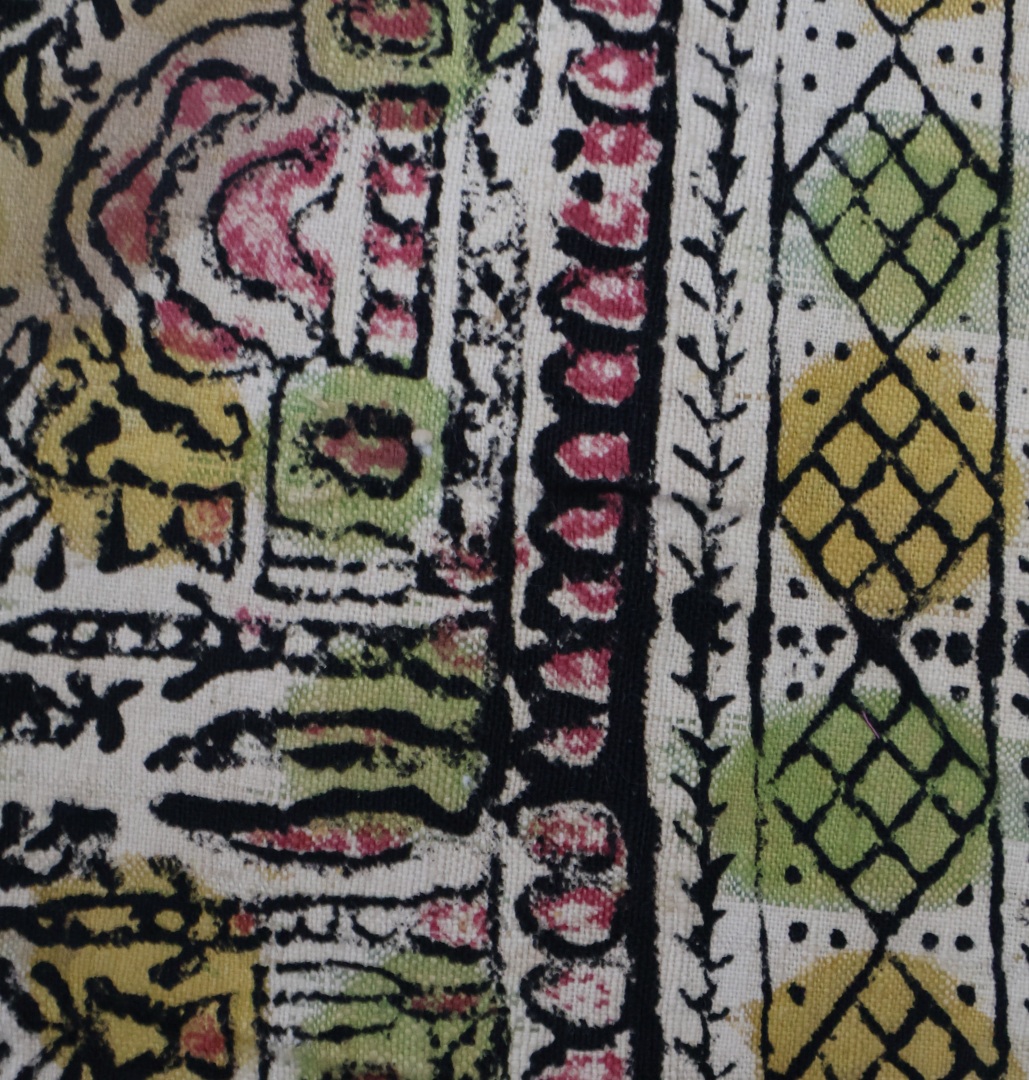
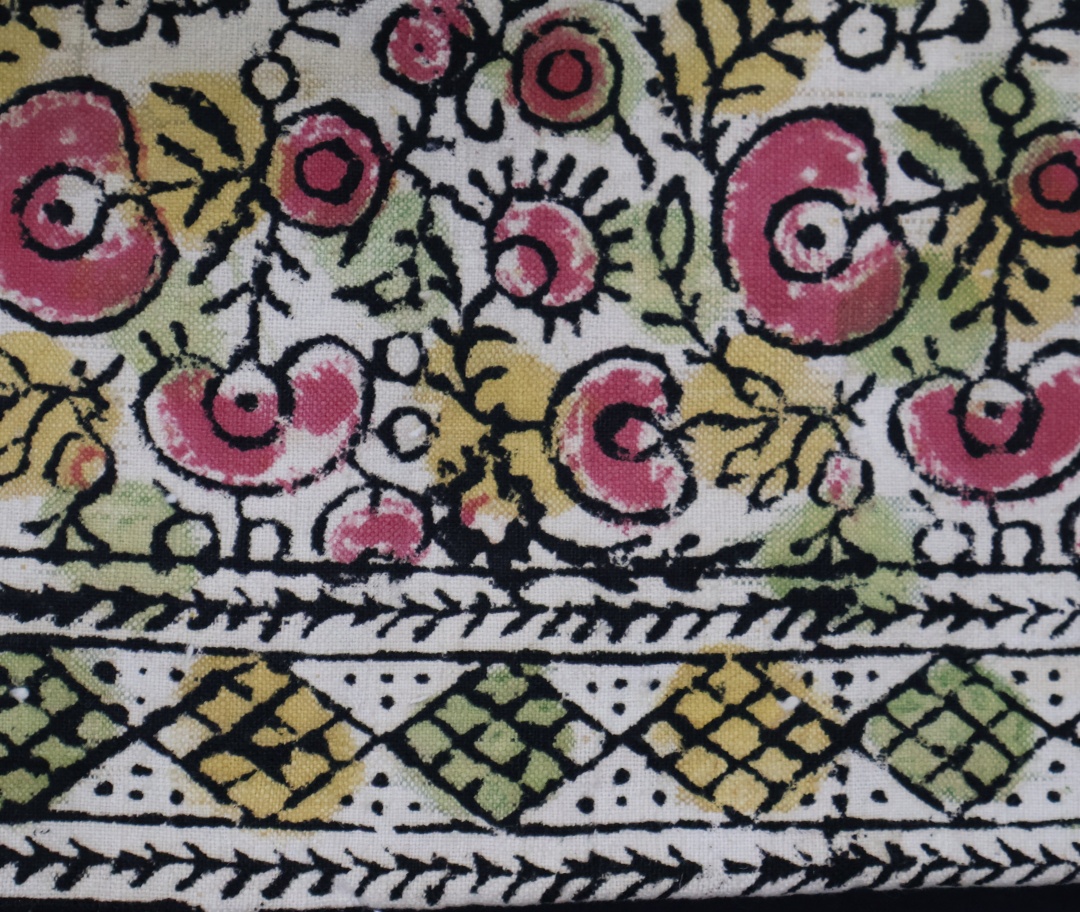
Description
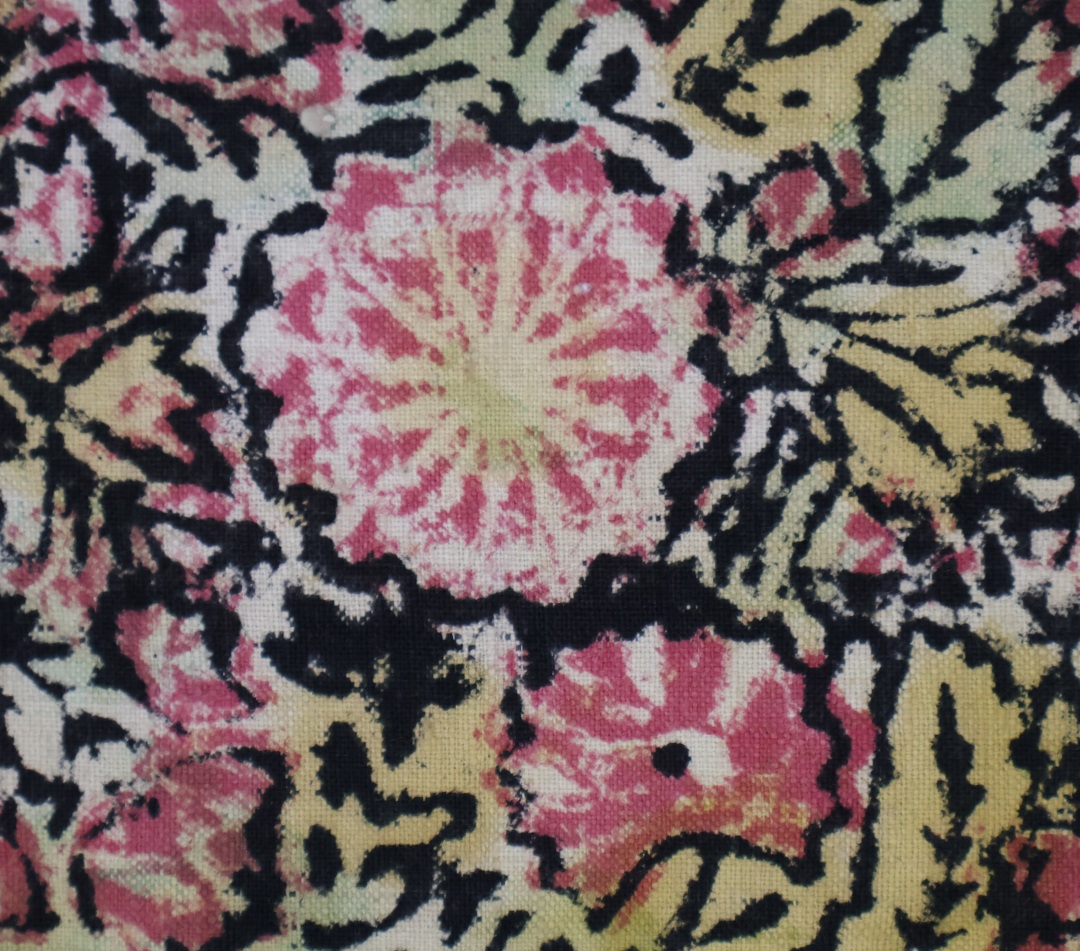
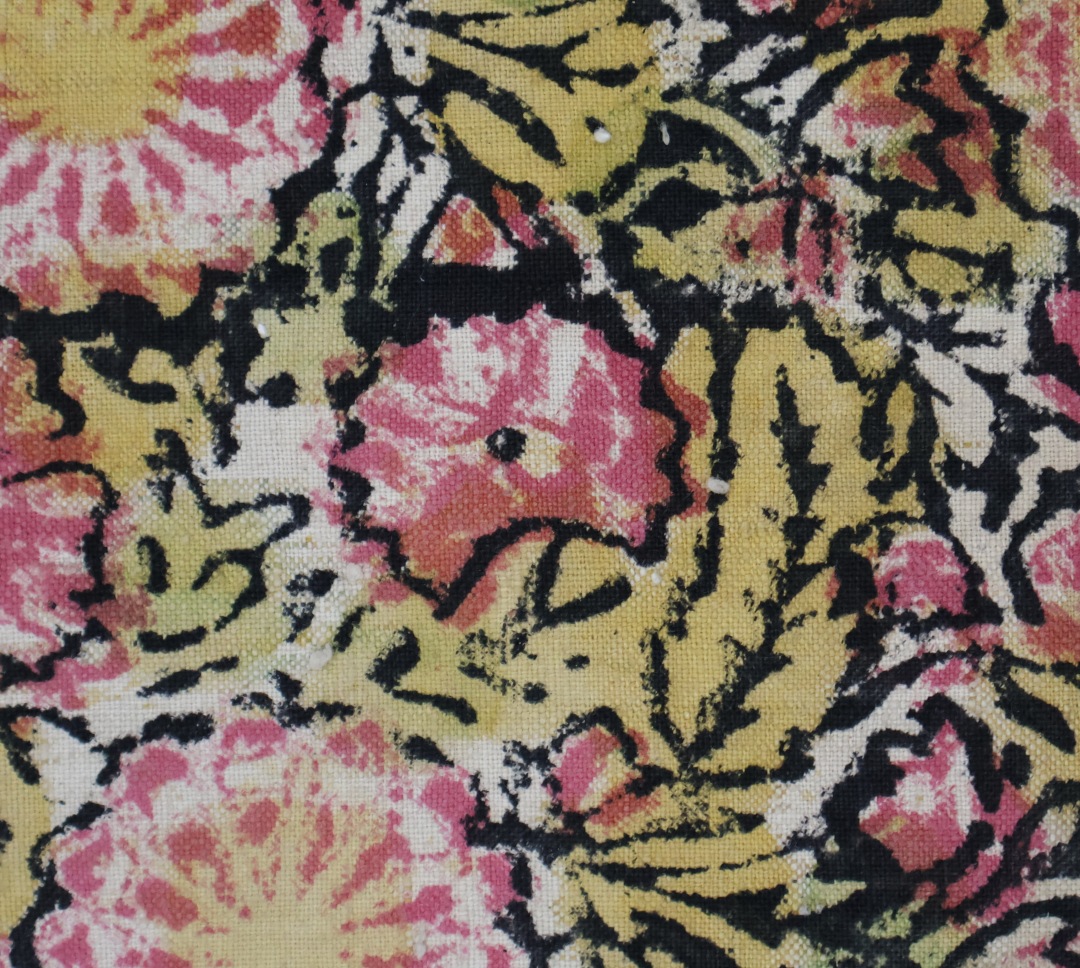
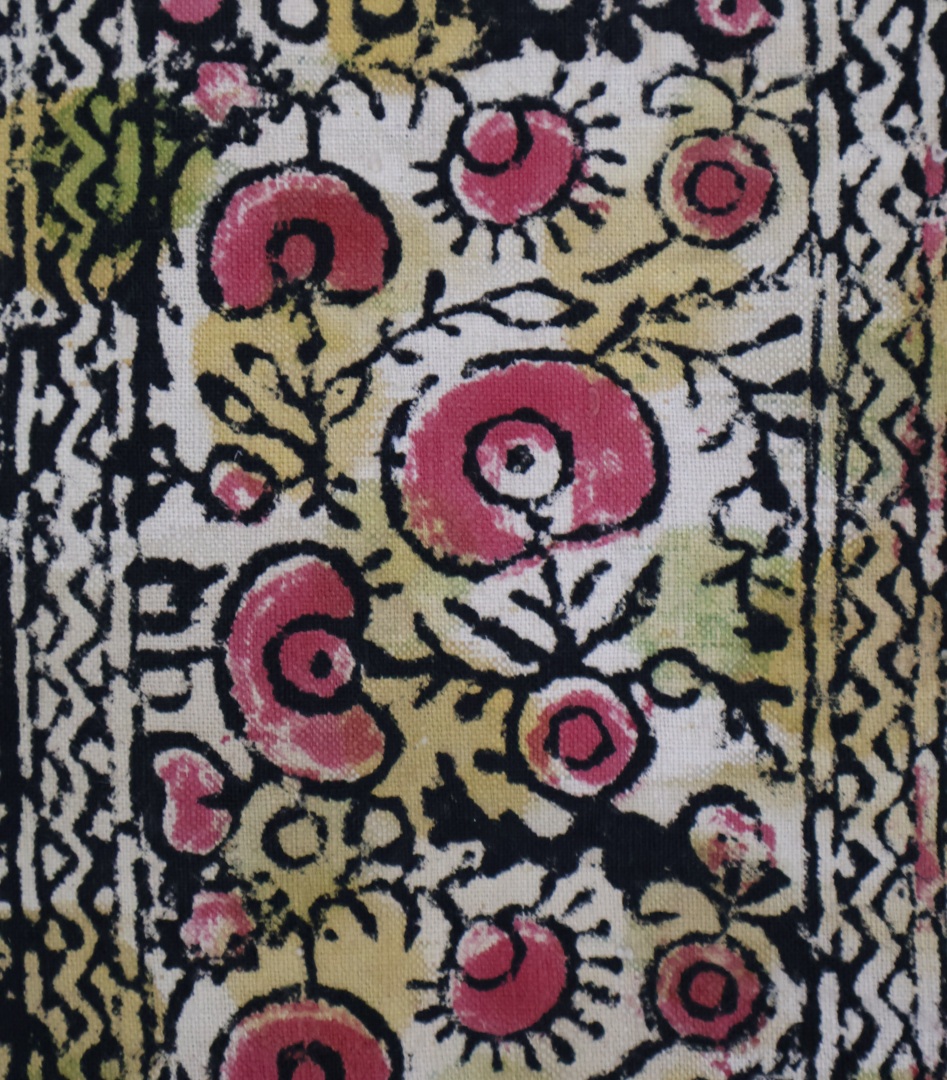
Block‑printed textiles are hand‑stamped fabrics created using carved wooden blocks, a technique with deep roots in India, China, and the wider Indian Ocean world. The essence is simple — a carved block, a dye pad, and a steady hand — but the cultural and technical depth is immense.
Block printing is the process of stamping dye‑soaked, hand‑carved wooden blocks onto cotton, linen, or silk to create repeating patterns. Each block is carved with motifs — floral, geometric, calligraphic, or symbolic — and artisans strike the block with a mallet to transfer the dye cleanly. The dye is thickened so it doesn’t bleed, ensuring crisp edges.
- Ancient China (c. 220 CE) shows some of the earliest evidence of block printing on fabric.
- The technique spread across Asia, flourishing especially in India, where regions like Rajasthan and Gujarat developed highly distinctive styles.
- Communities such as the Khatris, Chippas, Chhimba, and Chhapola have practised the craft for centuries.
- Evidence suggests rudimentary forms may go back as far as the Indus Valley civilisation (3000–1200 BCE), with direct textual evidence from 11th‑century Kerala.
Indian block‑printed cloths travelled widely through the Indian Ocean trade, reaching Egypt, Indonesia, and later Europe, where they became known as chintz and transformed global textile markets.
Each tradition has its own dyes, motifs, and cultural symbolism:
- Bagru (Rajasthan) — earthy colours, natural dyes, bold floral and geometric repeats.
- Sanganeri (Rajasthan) — fine lines, delicate florals, bright colours.
- Bagh (Madhya Pradesh) — deep reds and blacks, geometric precision.
- Ajrakh (Gujarat & Sindh) — complex resist‑dyeing, indigo and madder, Islamic geometry.
- Mata ni Pachedi (Gujarat) — narrative temple cloths with mythological scenes.
- Serampore (West Bengal) — more recent revivalist workshops.
- Persian kalamkari refers to the deep Persian aesthetic influence that shaped one major branch of the kalamkari tradition—especially the Machilipatnam style—during the 16th–18th centuries. The core art is Indian, but Persianate courts, traders, and design vocabularies transformed its look, motifs, and techniques.
- Kalamkari (from kalam = pen, kari = work) is a hand-painted or block‑printed textile tradition using natural dyes. Its earliest forms were narrative temple cloths in South India, but by the 1500s, Persianate courts—especially the Golconda Sultanate—introduced new aesthetics. This created a hybrid Indo‑Persian textile language.


