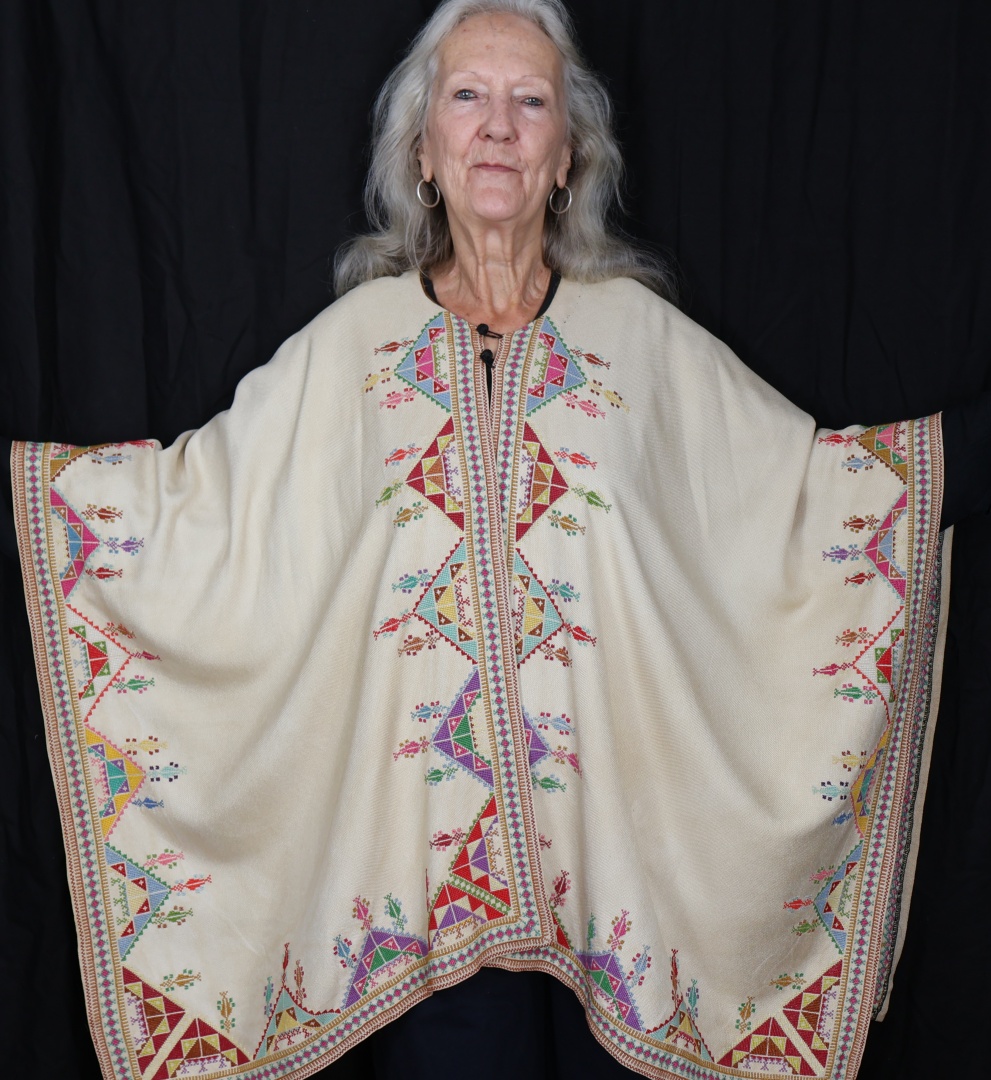
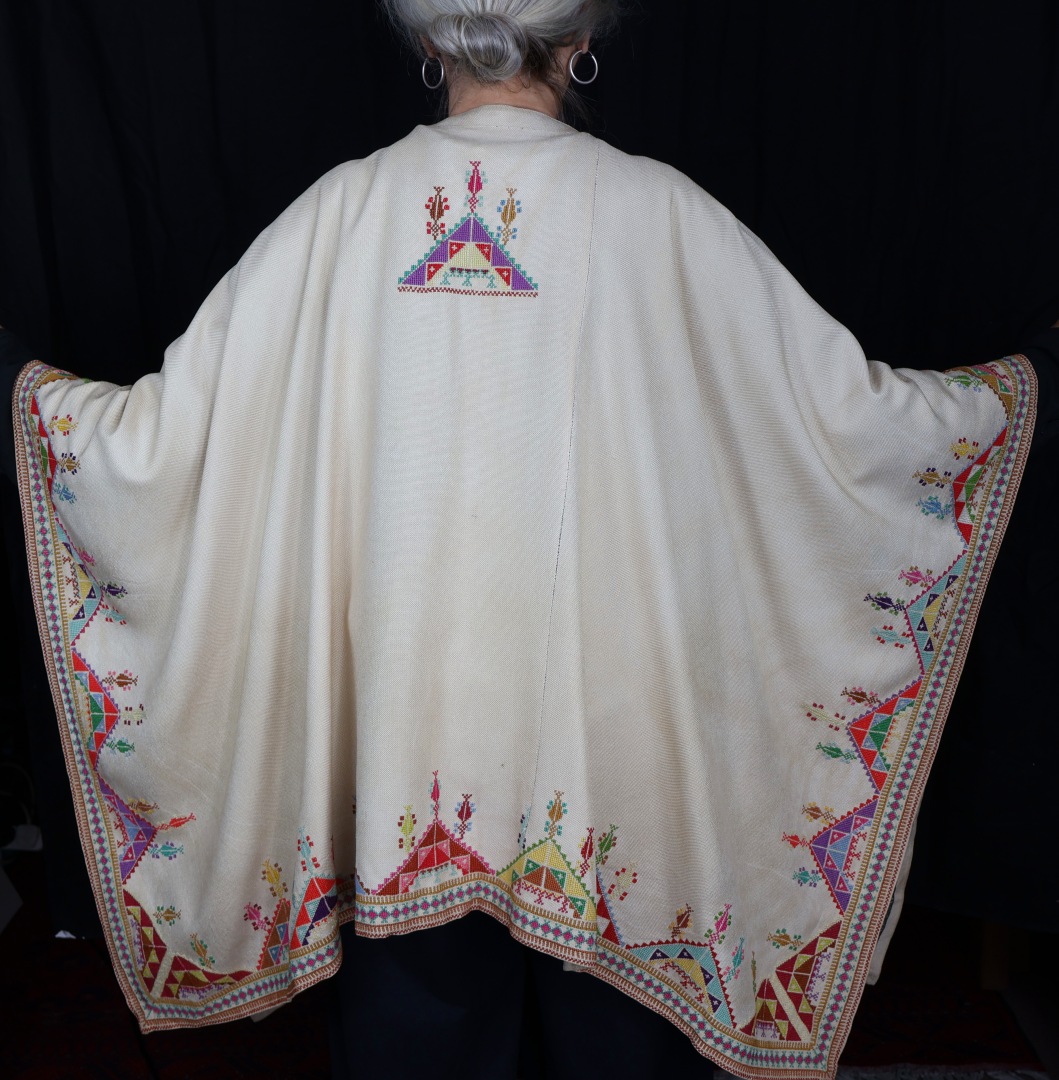
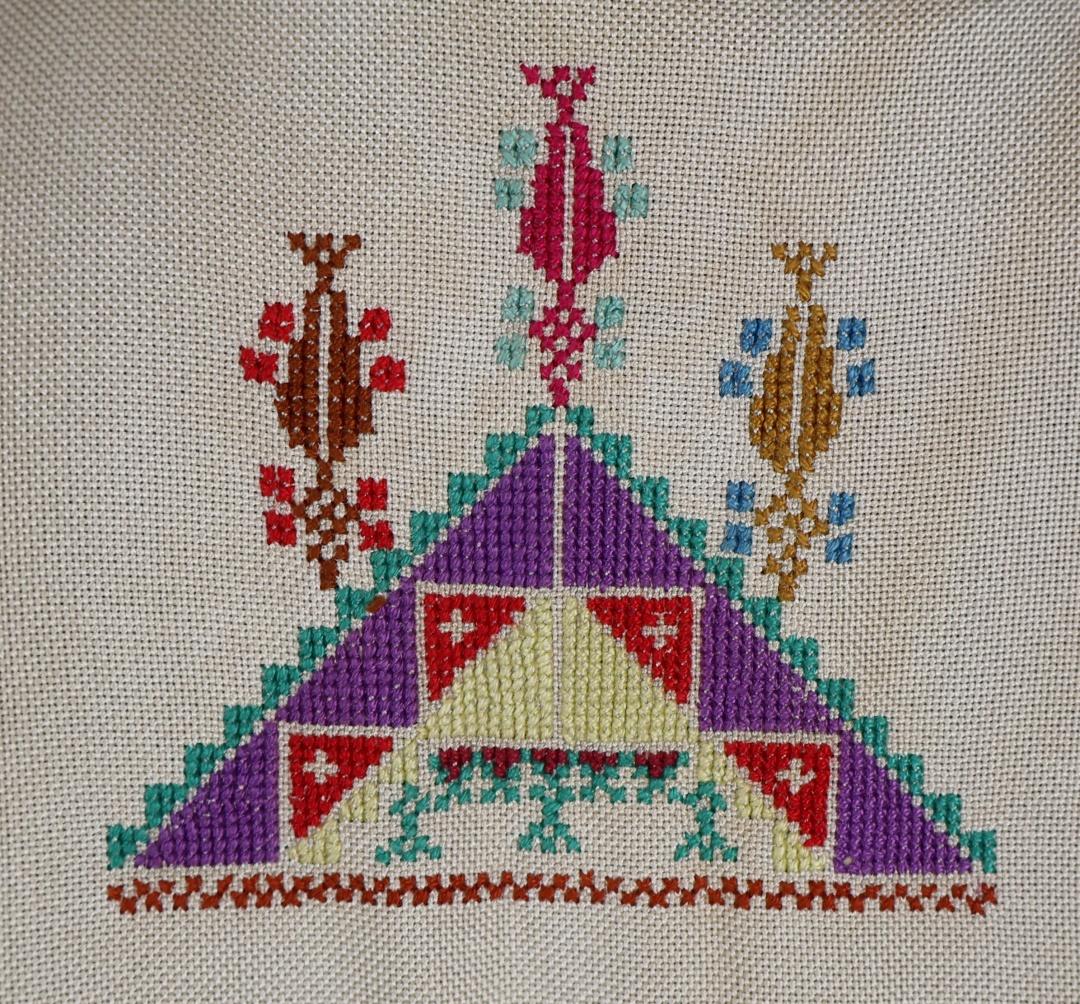

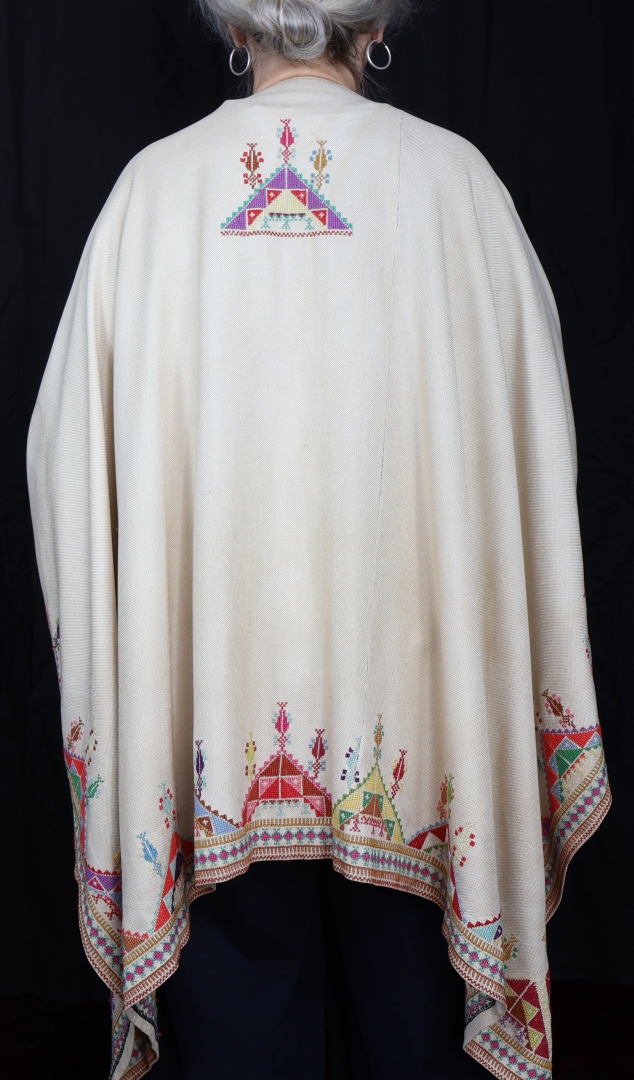

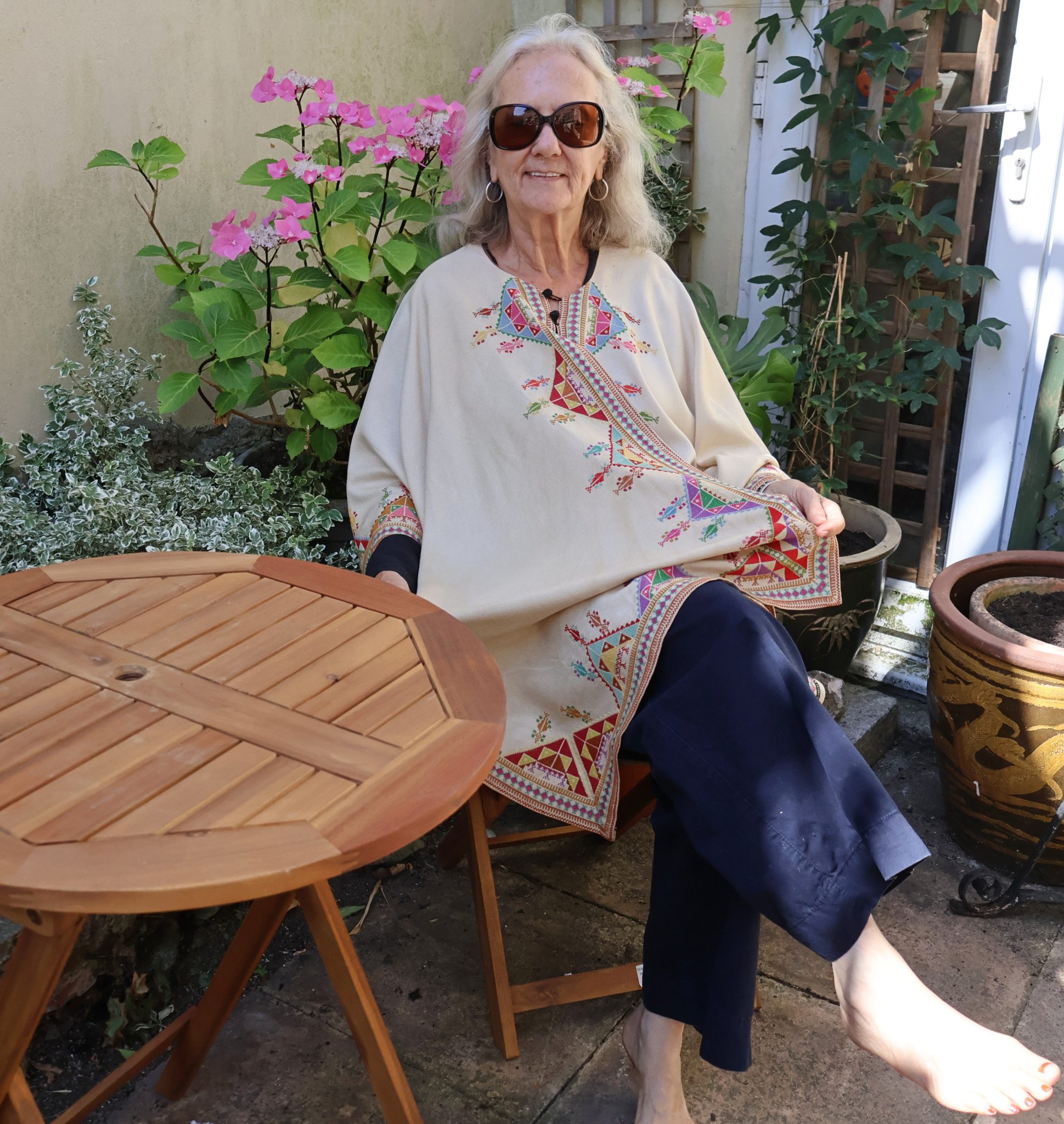
Description
Palestinian embroidery—tatreez—is one of the world’s most symbolically dense textile traditions, functioning as biography, geography, and identity stitched into cloth.** It is primarily executed in cross‑stitch (fallāḥi) and, in Bethlehem, the ornate couching stitch (tahrīri). Motifs, colors, and placement on the thobe (dress) historically signalled a woman’s village, marital status, and life story.
✧ What Palestinian embroidery is
Tatreez is a centuries-old practice of geometric and figurative embroidery used to decorate women’s dresses, jackets, veils, and household textiles. Although its contemporary form is often dated to the 19th century, earlier examples appear in
It is now recognised by UNESCO as part of the world’s Intangible Cultural Heritage (2021).
✧ Why it matters
Tatreez is not merely decorative—it is a visual language:
-
Identity & geography: Each village had distinct motifs, colours, and stitch arrangements. A woman’s dress could be “read” like a map of her origins.
-
Biography: The thobe encoded personal details—marital status, age, family ties, and even life events such as mourning or marriage.
-
Resistance & memory: After displacement, tatreez became a cultural anchor and a quiet form of political expression, incorporating nationalist symbols after the Nakba and later wars.
-
Key stitches
-
Cross-stitch (fallāḥi)** — widespread in rural villages; geometric, rhythmic, and often red.
-
Couching stitch (tahrīri)** — unique to Bethlehem; gold or silver threads couched onto velvet or linen for a regal effect.
✧ Regional motifs (examples)
-
Jaffa: Cypress trees, orange blossoms
-
Jericho: Geometric mosaic-like designs
-
Hebron: “Pasha’s tent” motif
-
Ramallah: Palm trees; black-and-red palette
-
Gaza: Necklaces and cypress trees; purple/blue tones
-
Beersheba: Protective veil motifs; red for married women, blue for unmarried/widowed women
-


