Description
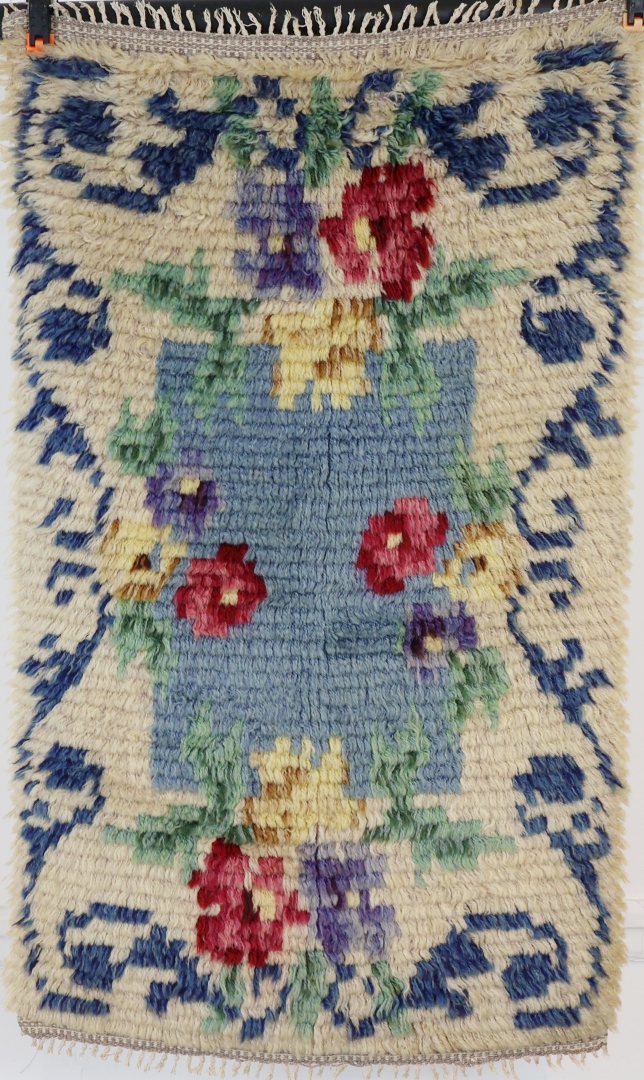
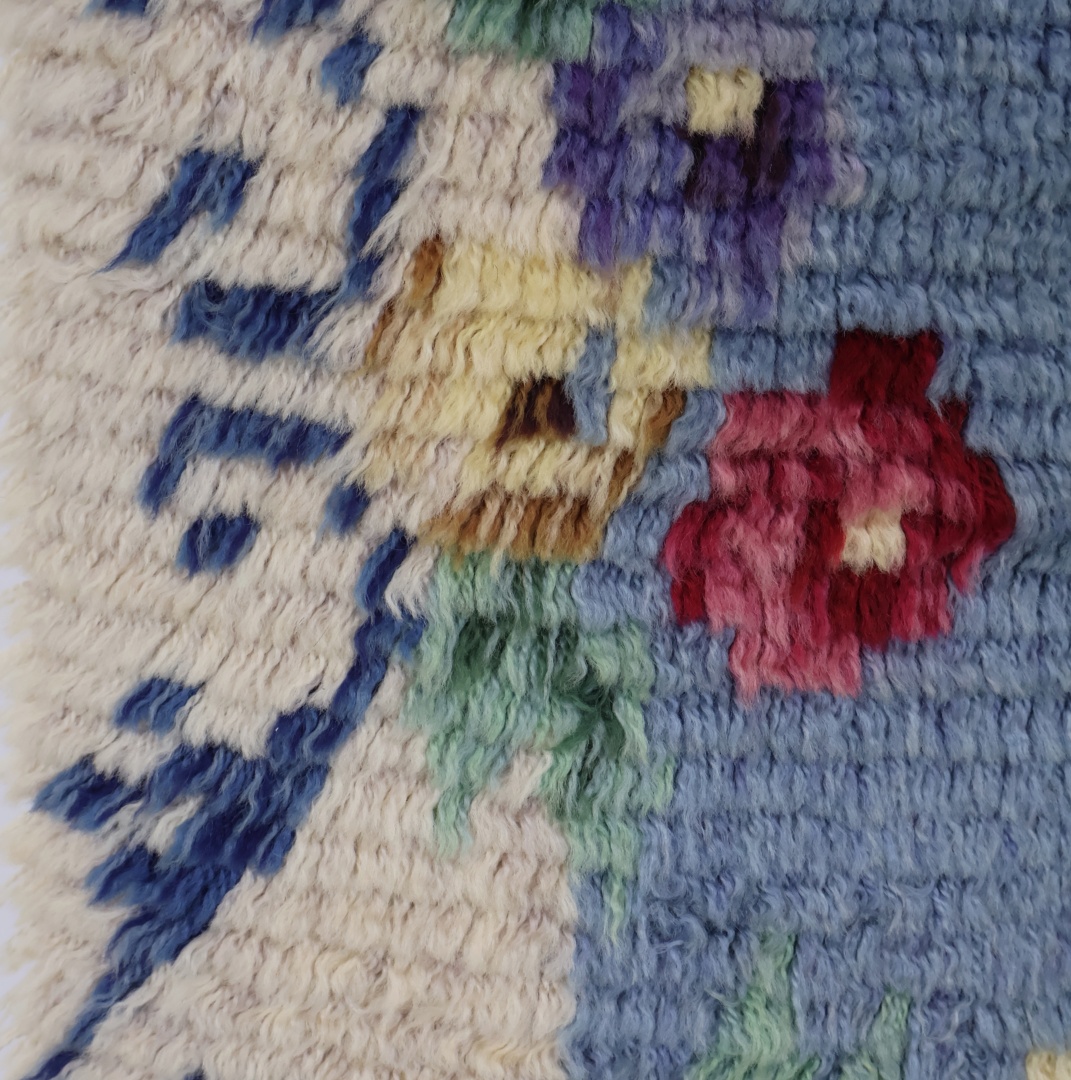
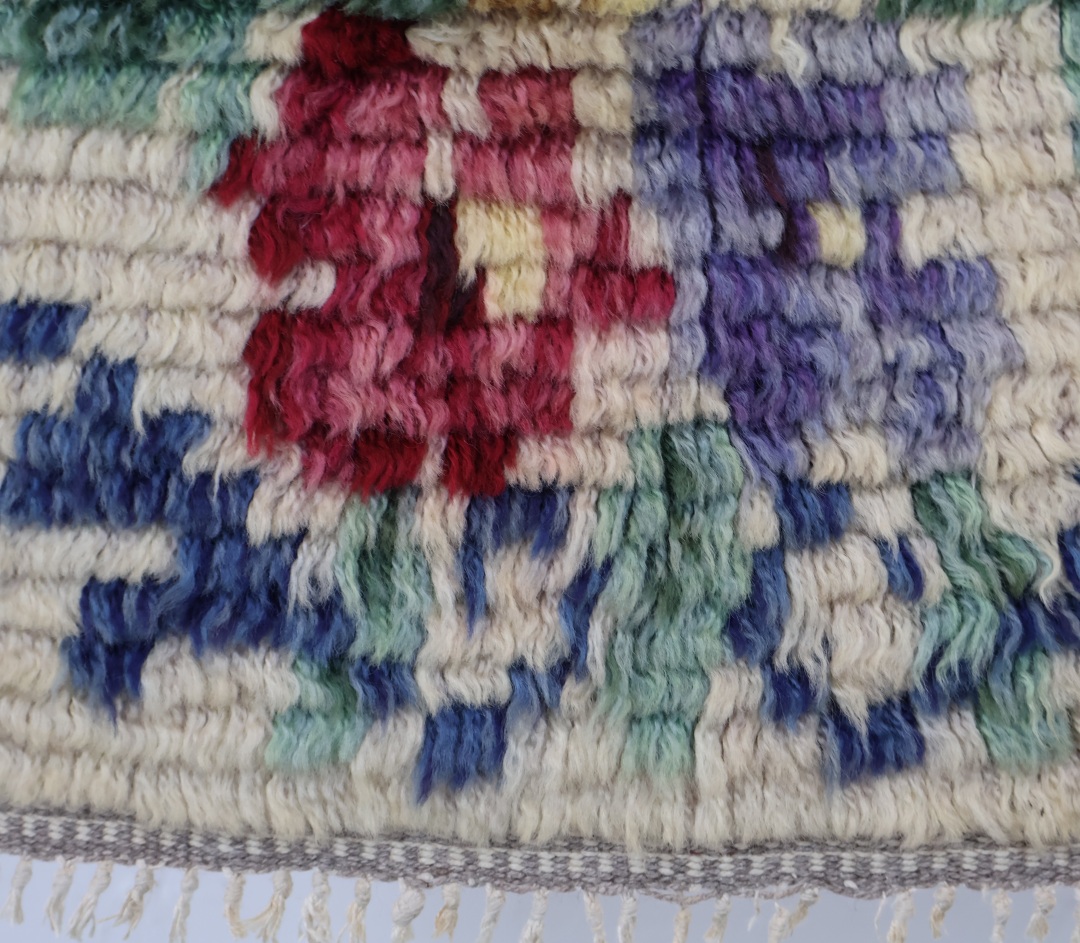
Swedish rya rug
Vintage Swedish rugs from the 1920s through the mid-20th century represent a high point in Scandinavian textile design. They combine folk traditions with modernist geometric composition, prized for their soft Nordic color palettes and durable craftsmanship.
Key Weaving Styles
-
Rölakan (Flatweave): Handwoven flatweave rugs featuring geometric, architectural, or folk-inspired motifs. Reversible and thin with no pile.
-
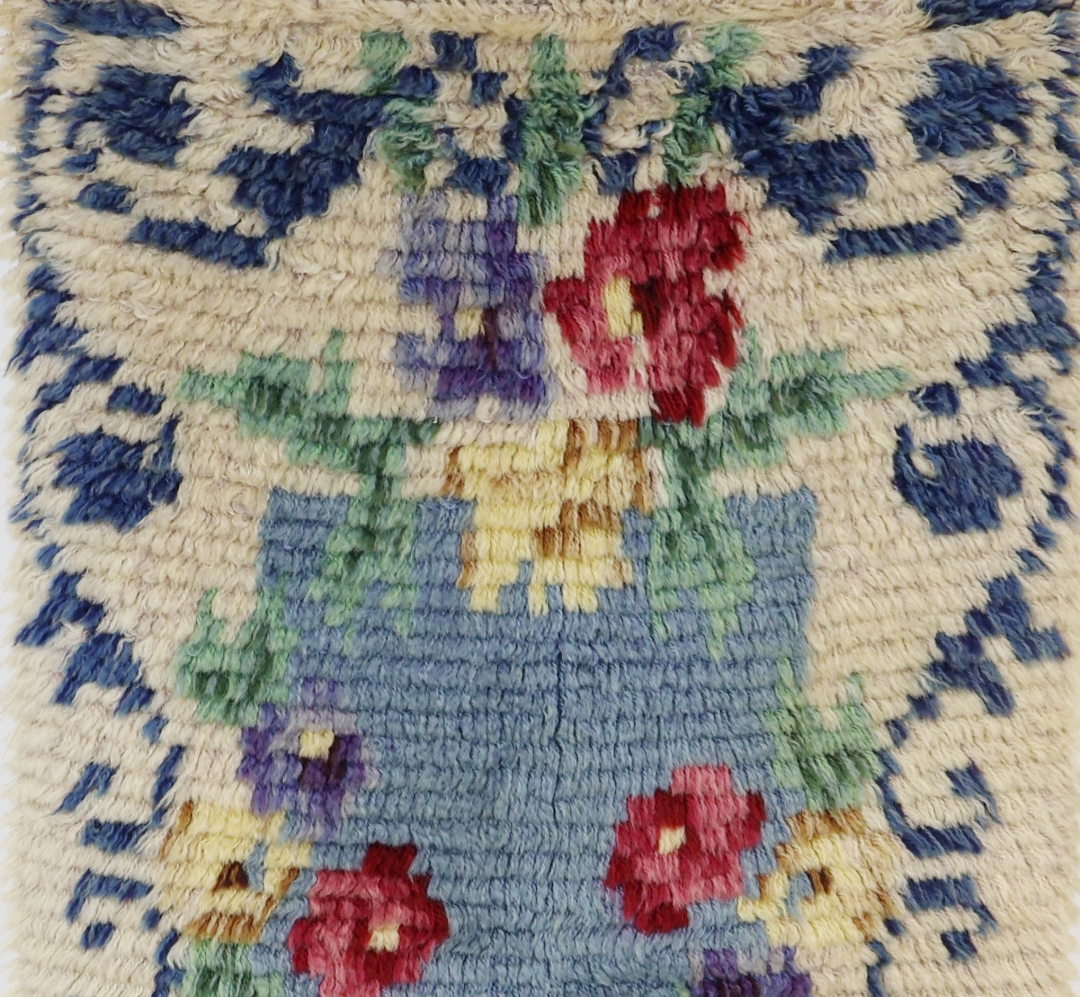
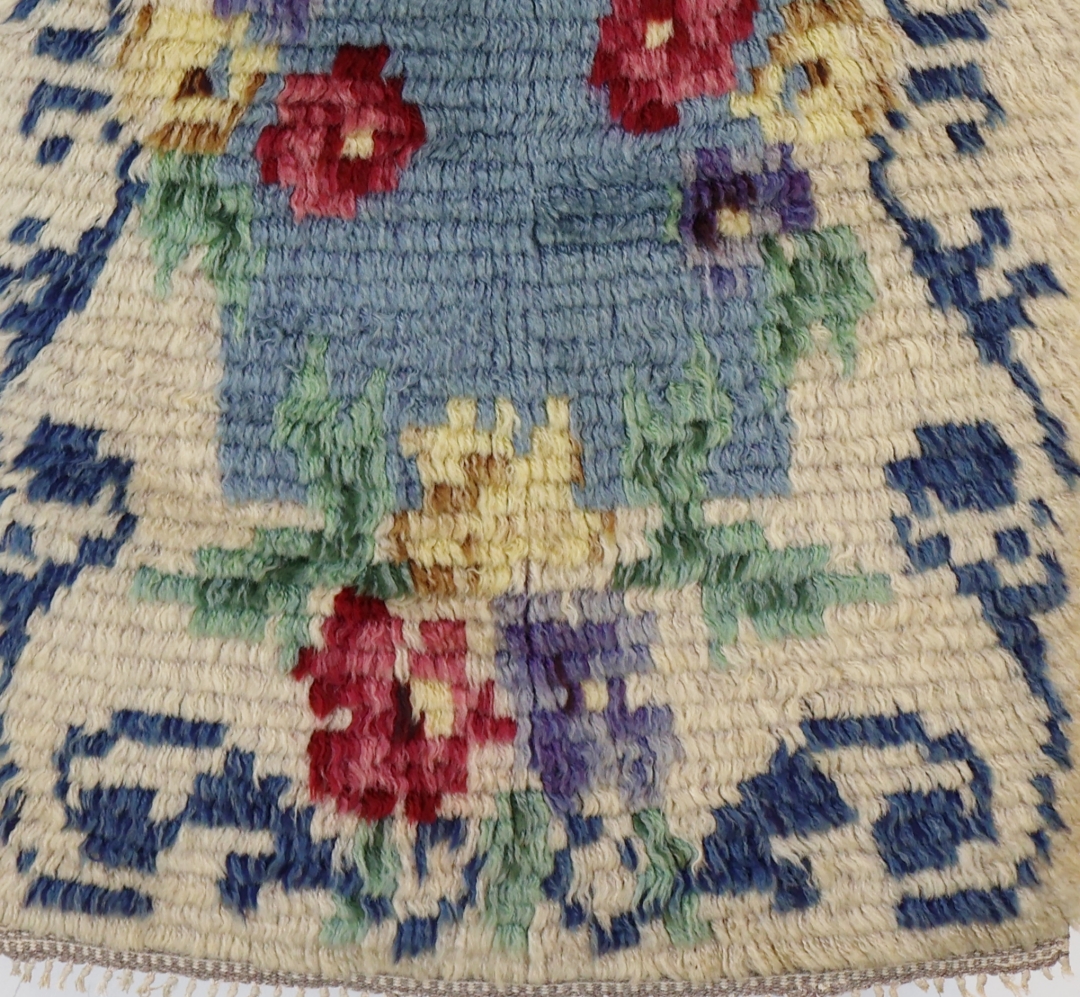
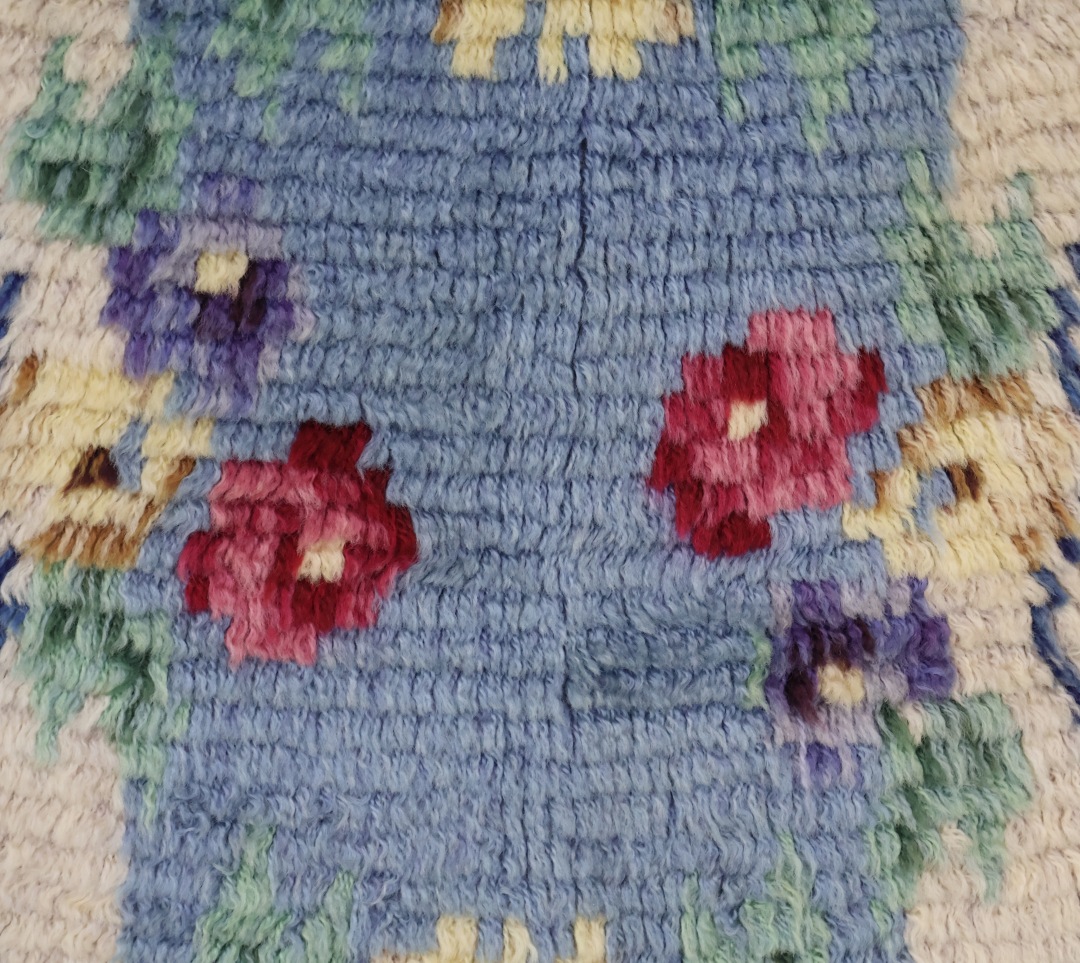
Rya: Long, plush pile wool rugs originally created for warmth. Famous for vibrant floral, abstract, or geometric pile designs during the 1920s–1970s.
-
Flossa & Halv-Flossa: Short-pile knotted wool rugs. Halv-flossa combines a flatweave background with relief-knotted pile details.
-
Trasmattor (Rag Rugs): Traditional plain or Rose Path (Rosengång) weave made from recycled cotton fabric strips.
Prominent Master Designers
-
Märta Måås-Fjetterström (MMF): The pioneer who established the iconic Båstad studio in 1919. Her designs are highly collectible works of art.
-
Barbro Nilsson: Successor to MMF known for complex tapestry-like color gradations.
-
Marianne Richter: Created energetic, bold geometric patterns for AB MMF.
-
Ingegerd Silow & Viola Gråsten: Celebrated mid-century artists known for expressive, accessible flatweaves and colorful rya rugs.
Identification & Collectibility
-
Monograms/Signatures: Authentic studio pieces often feature woven initials along the corners or borders (e.g., MMF for Märta Måås-Fjetterström, BN for Barbro Nilsson, or IS for Ingegerd Silow).
-
Materials: High-grade local wool woven onto linen or cotton warps.


