
Description
A Chitral coat—often called a Chitrali chugha—is a distinctive wool over‑coat from the high mountain region of Chitral, in northern Pakistan. The core idea: warmth, durability, and bold regional identity.
Below is a structured, detailed breakdown drawing on what we know from the search results and broader cultural context.
🧵 What a Chitral Coat (Chugha) Is
A chugha is a traditional over‑coat made for the harsh winters of Chitral, where temperatures routinely drop below freezing. It is typically:
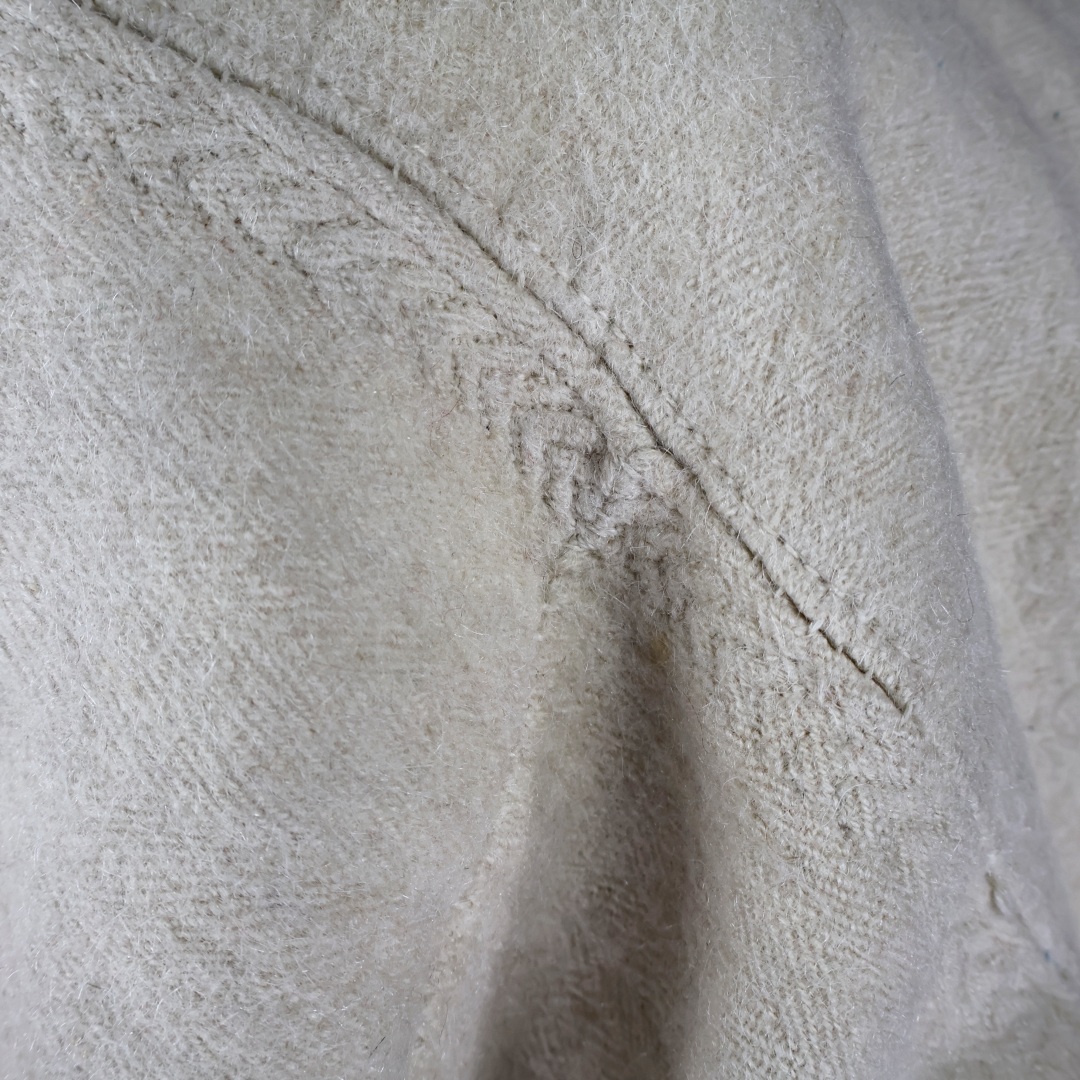
• Woollen or lambswool, often hand‑woven
• Long and robe‑like, worn over clothing
• Decorated with embroidery, especially around the front, back, and belt
• Lined for insulation, making it ideal for mountain climates
• Unisex, though women’s versions often feature more elaborate embroidery
🏔 Cultural and Regional Context
Chitral’s clothing traditions reflect its geography: cold, mountainous, and historically somewhat isolated. Woollen garments evolved from the need for practical warmth, but over time became markers of identity.
The chugha sits alongside other Chitrali garments such as:
• Pakol (the iconic rolled wool cap)
• Shushut and Chehare (traditional women’s garments)
• Kalasha beaded accessories in neighbouring valleys
These items form part of the wider clothing traditions of Khyber Pakhtunkhwa.
While not as symbolically dense as some Central Asian coats, Chitrali chughas often feature:
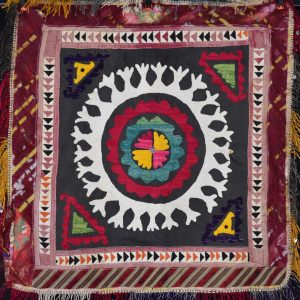
• Geometric embroidery
• Bright contrasting colours on a neutral wool base
• Motifs linked to mountain life, protection, and regional identity
Given your interest in global textiles and symbolism, the chugha is a fascinating example of functional craft elevated into cultural expression.
🧭 How It’s Worn
Traditionally:
• Men wear it over shalwar kameez or perahan tunban
• Women pair it with regional dresses or embroidered garments
• It is used in winter, festivals, and formal gatherings
The coat’s structure—straight, heavy, and warm—makes it feel almost like a mountain robe, similar in spirit to Central Asian chapans but with a distinctly Chitrali aesthetic.