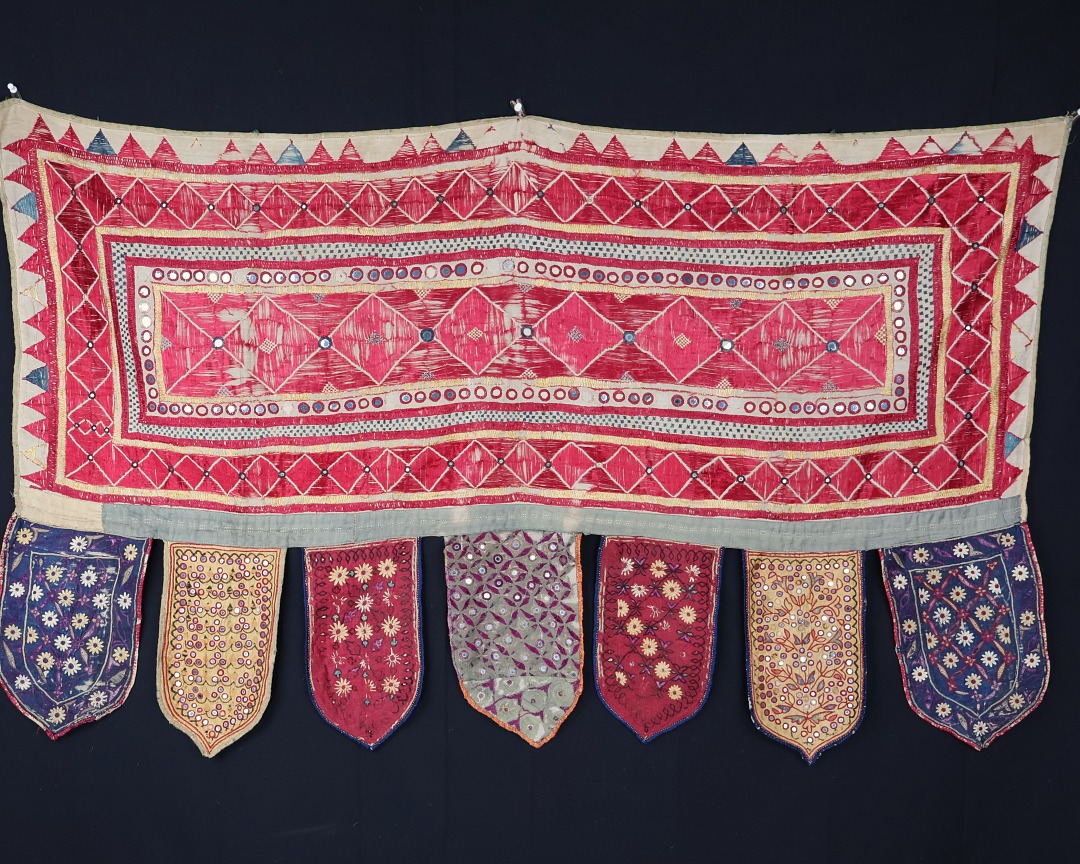
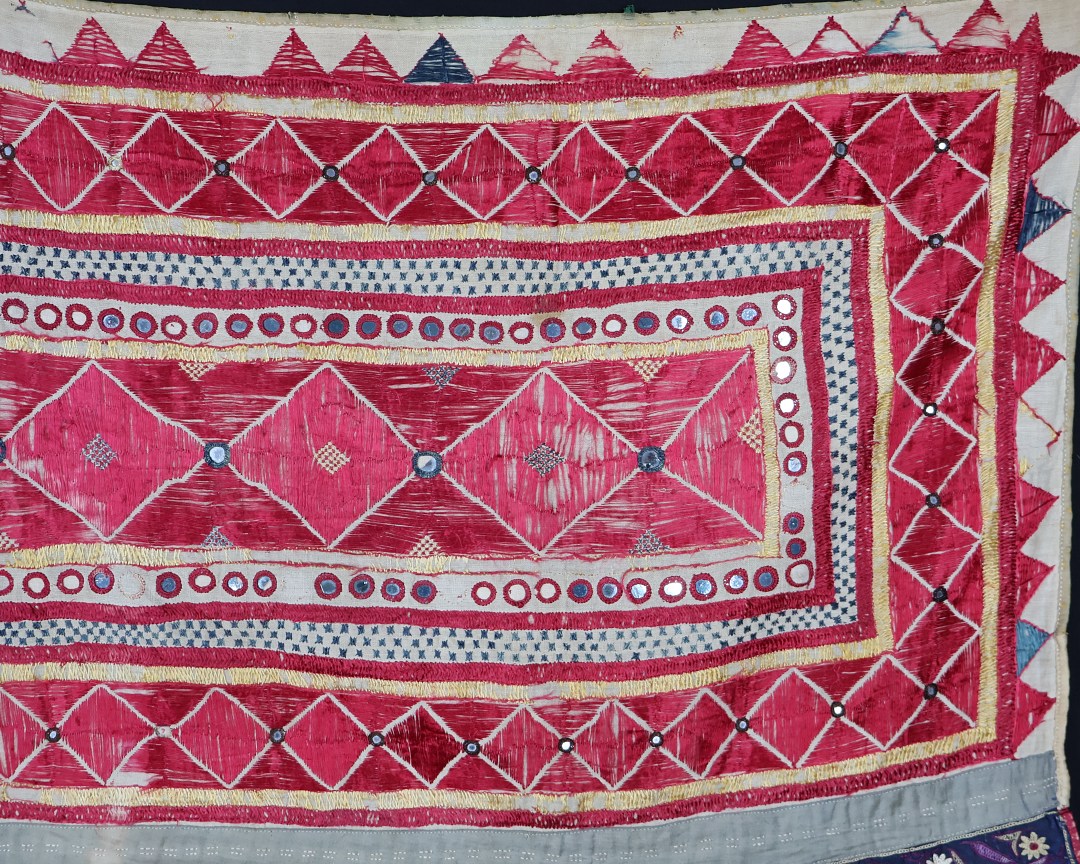
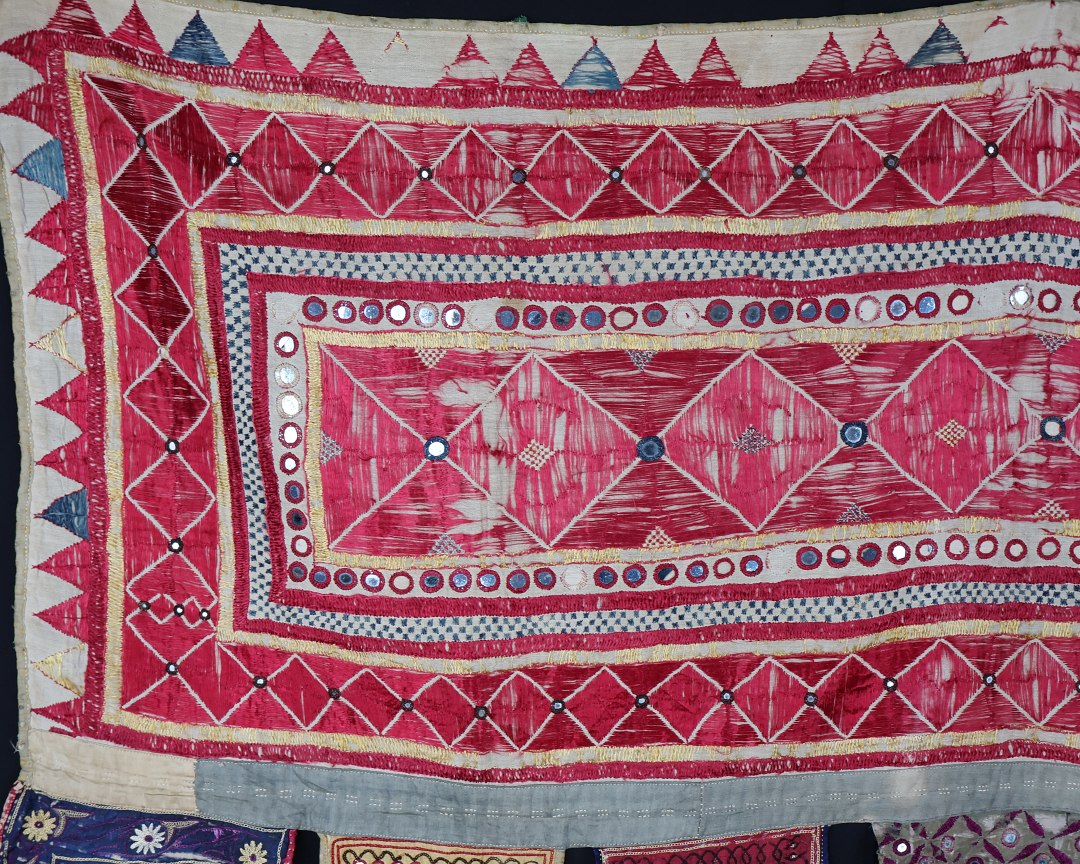
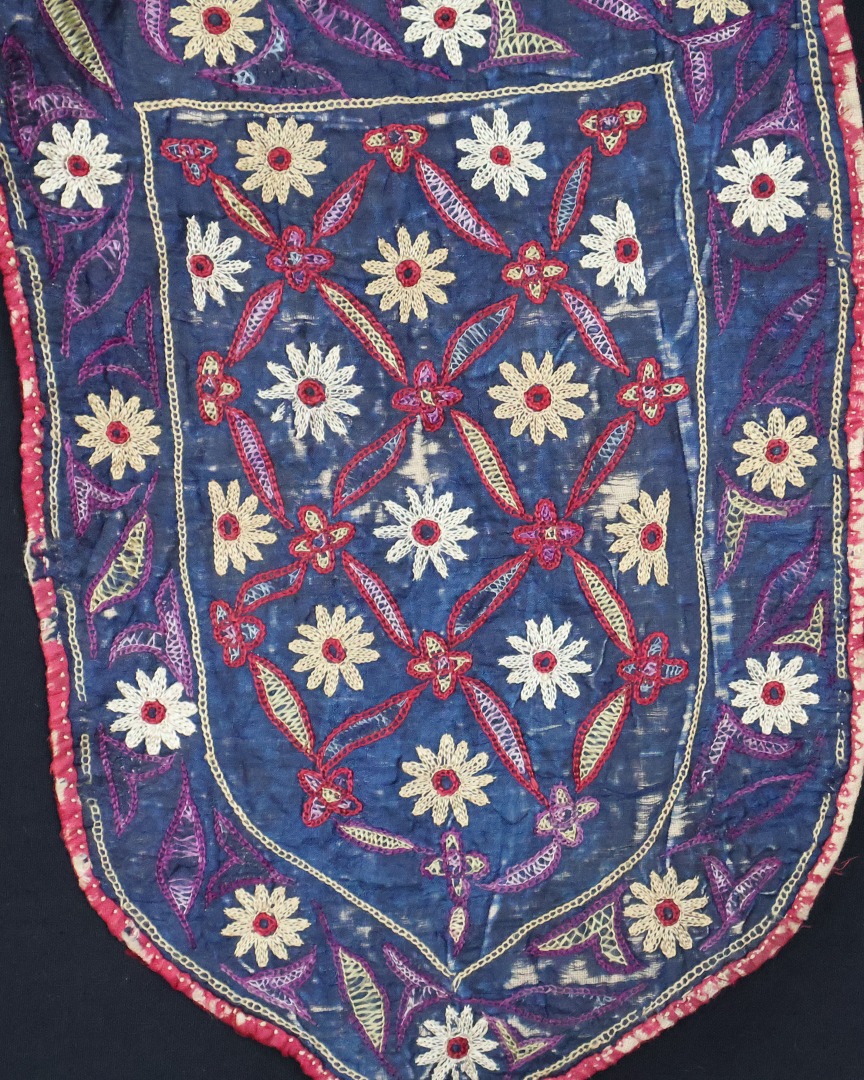
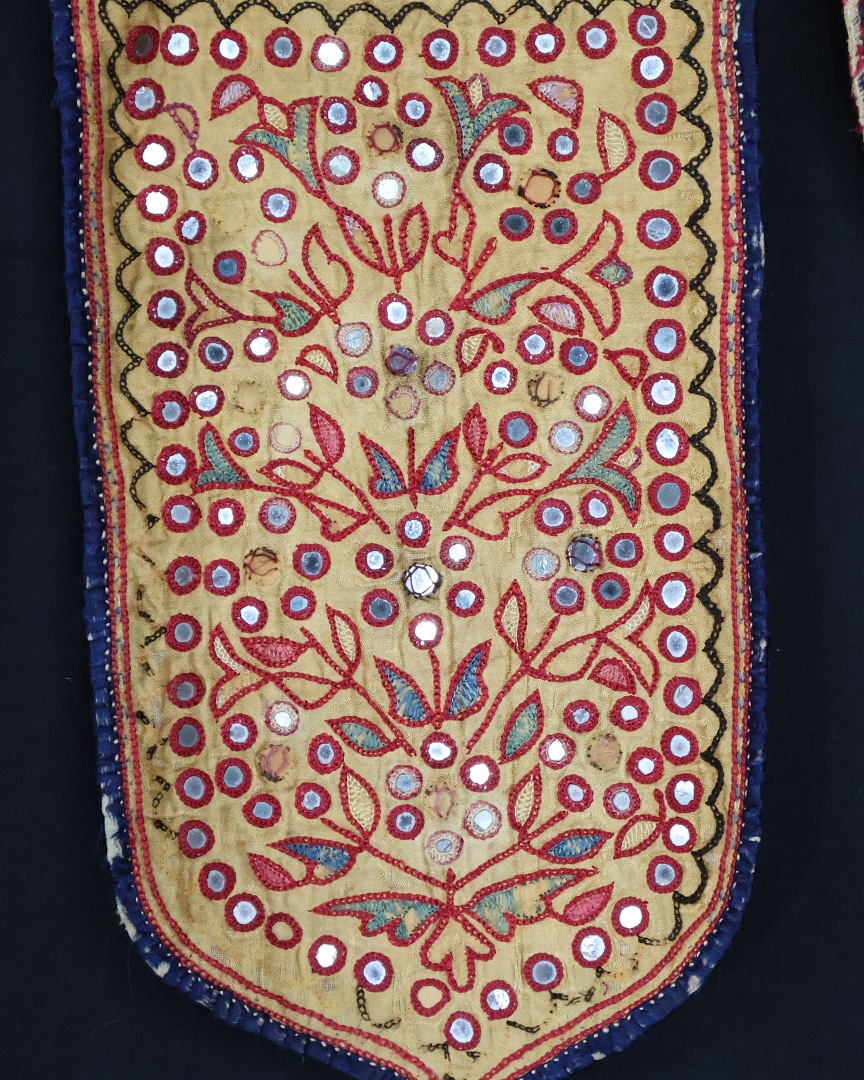
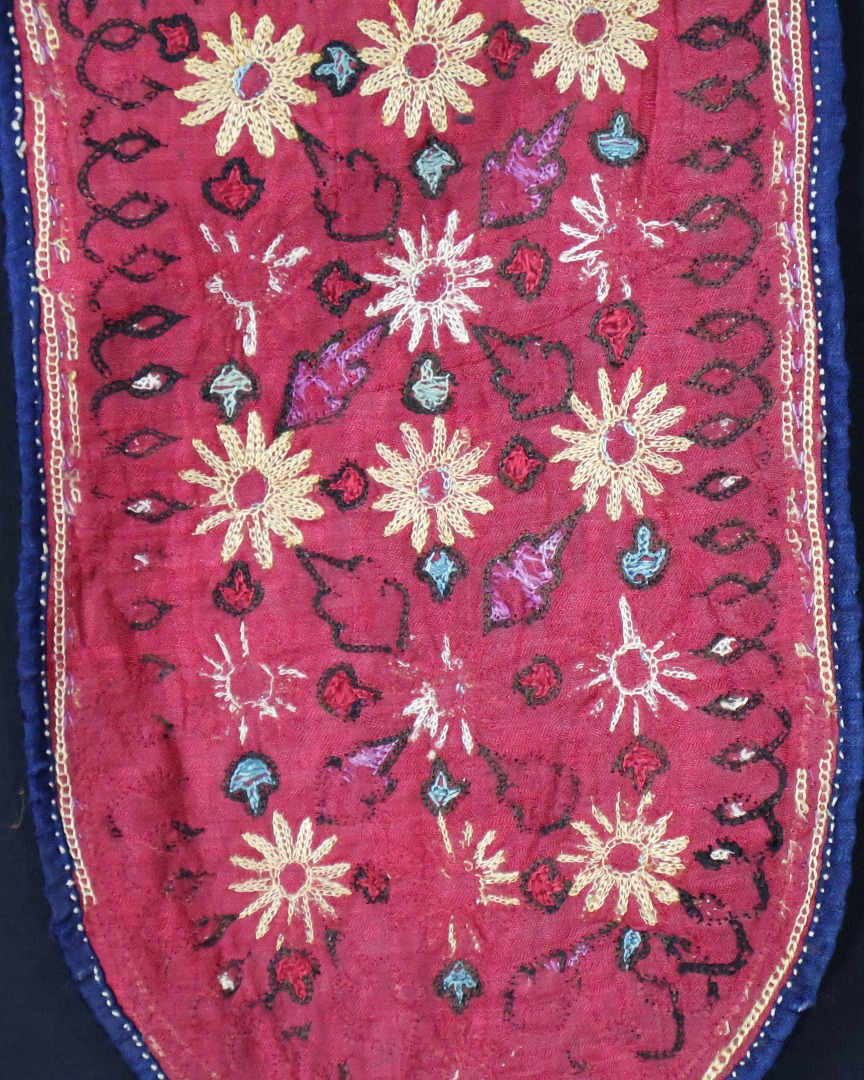
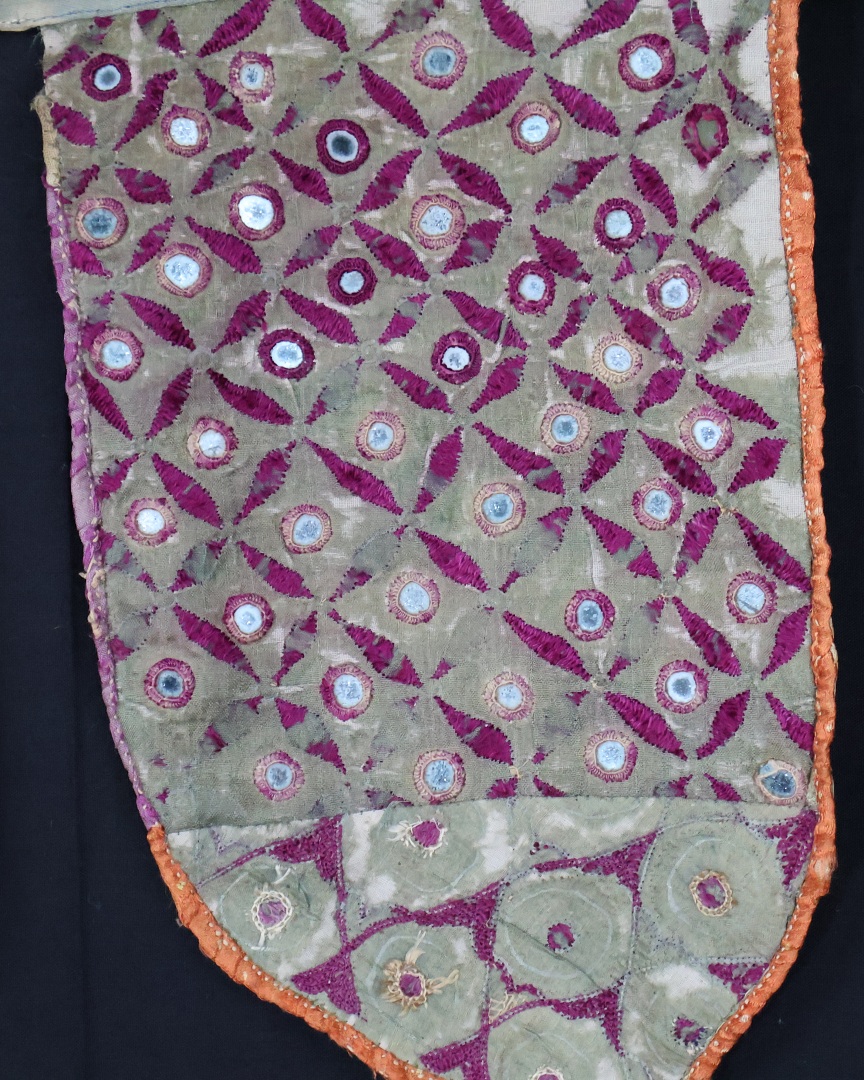
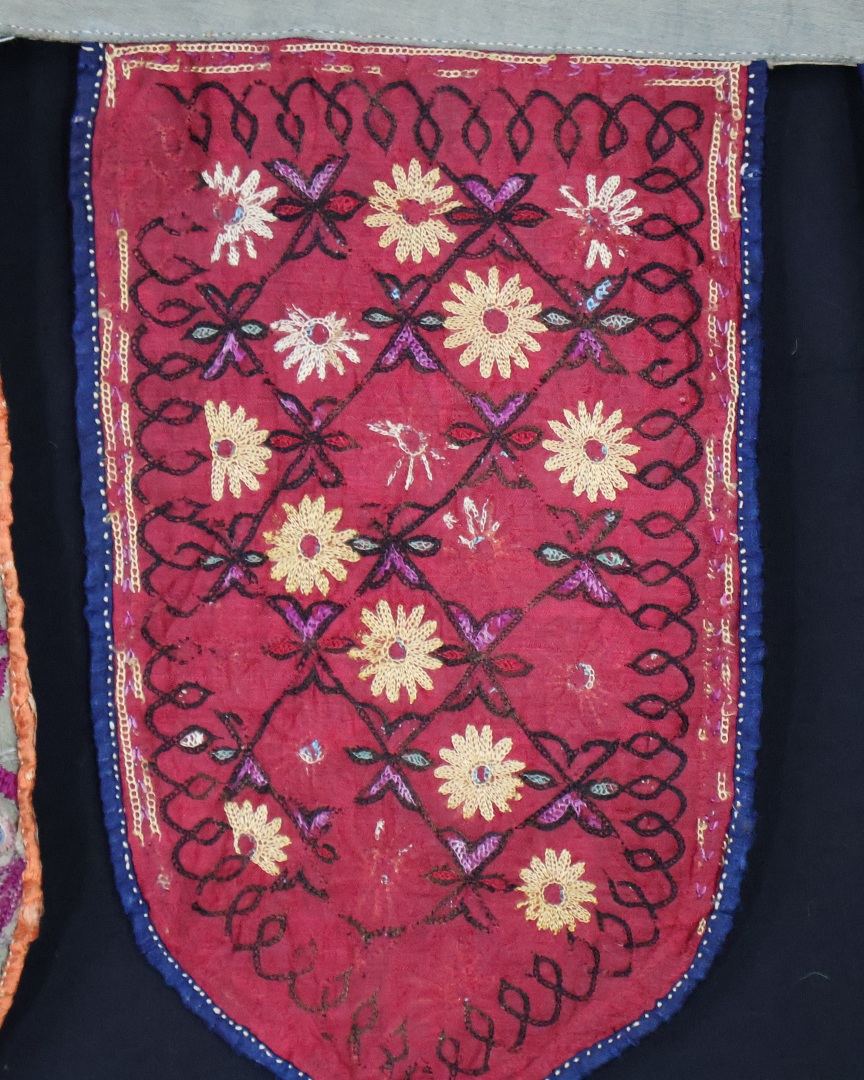
Description
🌼 What Is an Indian Toran?
An Indian toran (also called bandanwar) is a decorative hanging placed above doorways. It’s one of the most ancient forms of textile and craft-based home adornment in South Asia.
Torans are used to:
• Welcome guests and positive energy
• Invite prosperity and protection
• Celebrate festivals, weddings, and auspicious occasions
• Showcase regional craftsmanship
They’re essentially the textile equivalent of a warm, ceremonial embrace.
🪷 Common Materials & Techniques
Indian torans vary wildly by region, and this is where your collector’s instincts really shine—each style has its own vocabulary of stitches, motifs, and symbolism.
✨ Popular Materials
Cotton or silk fabric
• Mirrorwork (shisha)
• Beads, shells, cowries
• Brocade or zari borders
• Felt appliqué
• Pom-poms and tassels
🧵 Craft Techniques
• Mango leaves → fertility, renewal
• Marigolds → purity, auspiciousness
• Elephants → strength, good fortune
• Cowrie shells → prosperity, protection (a motif you already love)
• Peacocks → beauty, divine connection
Some torans even echo the same protective logic as Central Asian suzanis or Afghan ceremonial pieces—warding off the evil eye through repetition, mirrors, and bold geometry.


