Description
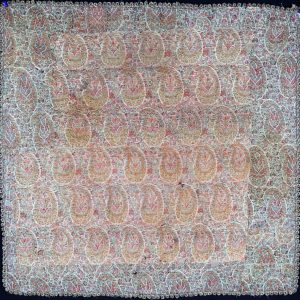
Ottoman Textiles
The core elements are layering, luxurious textiles, distinctive silhouettes, and codified accessories. Clothing was a visual language—kaftans, turbans, sashes, and embroidery all communicated identity. Ottoman attire drew from Central Asian, Persian, Arab, Balkan, and Anatolian traditions, creating a uniquely cosmopolitan style.
🧔♂️ Men’s Ottoman Costume
Men’s clothing varied by class, but several garments were universal:
-
Kaftan (Kaftan / Entari) — Long, often silk, sometimes fur-lined for elites; heavily embroidered for high officials.
-
Şalvar — Baggy trousers allowing ease of movement.
-
Mintan / Zıbın — Short jacket or fitted vest worn under the kaftan.
-
Kuşak — Wide sash wrapped around the waist.
-
Headgear — A major status marker.
-
-
Sarık (turban) for officials and scholars
-
Kalpak (felt cap)
-
Later, in the 19th century, the fez replaced the turban under Mahmud II’s reforms.
-
-
Footwear — Çizme (boots), Yemeni (soft leather shoes).
Elite men wore sumptuous brocades, velvets, and furs; middle-class men wore simpler cübbe or hırka; working-class men wore plain wool or cotton cepken or yelek.
-
-
Women’s Ottoman Costume
Women’s dress was equally layered and expressive:
-
Gömlek — Long chemise, often sheer or fine cotton.
-
Şalvar — Trousers gathered at the ankle.
-
Zıbın — Fitted short jacket.
-
Entari — Long robe, often slit in front; worn open over the bust for fashionable display.
-
Kaftan — For formal visits or ceremonies; richly embroidered.
-
Head coverings — Varied by region and religion; included scarves, veils, and ornate headdresses.
-
Jewellery — Gold, pearls, and gemstones signalled wealth; amuletic motifs were common.
Colours and patterns were bold—crimson, indigo, emerald, and gold brocades were especially prized.
Court attire was spectacular:
-
Silks from Persia
-
Velvets from Italy
-
Brocades from India
-
Fur linings (fox, sable) for sultans and high officials
Everyday clothing for commoners was simpler—cotton, wool, and modest embroidery—but still followed the same structural forms.
🔄 19th‑Century Reforms
Under Mahmud II (1808–1839), Ottoman clothing underwent dramatic Westernizing reforms:
-
Turbans replaced by the fez
-
Introduction of trousers, jackets, and European-style uniforms
-
Abolition of Janissaries led to new military dress codes
-