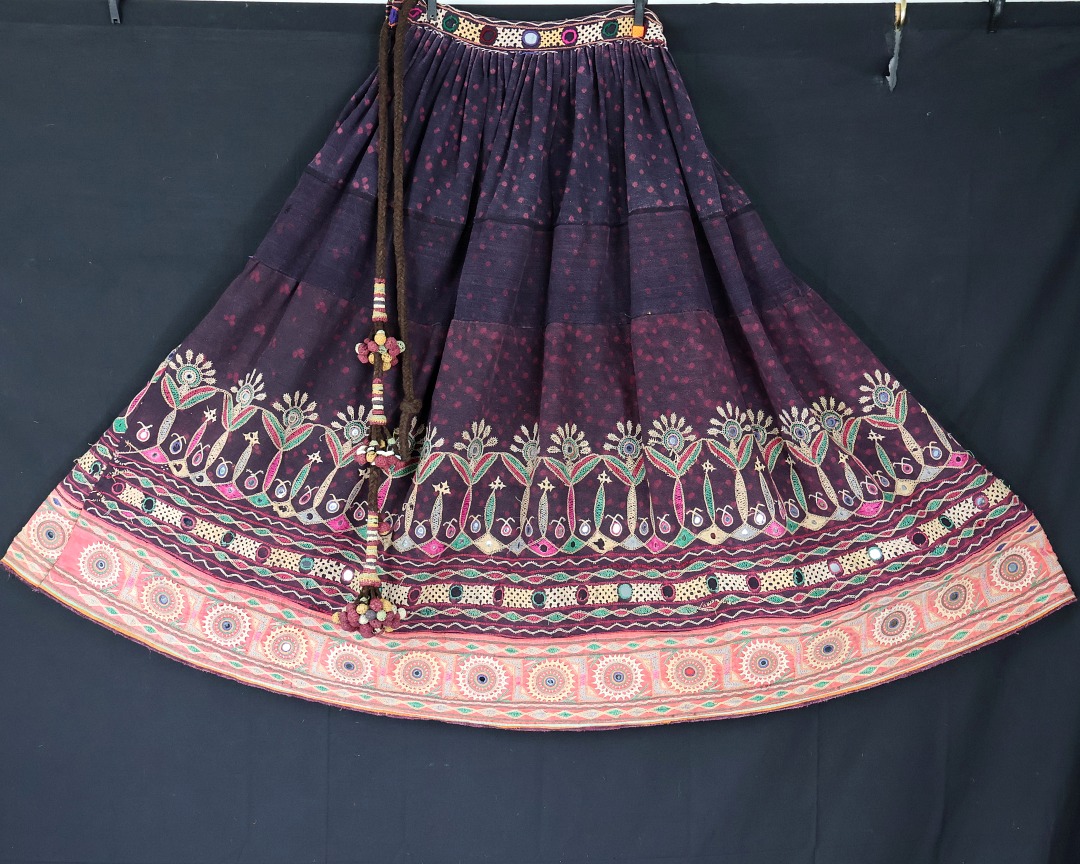
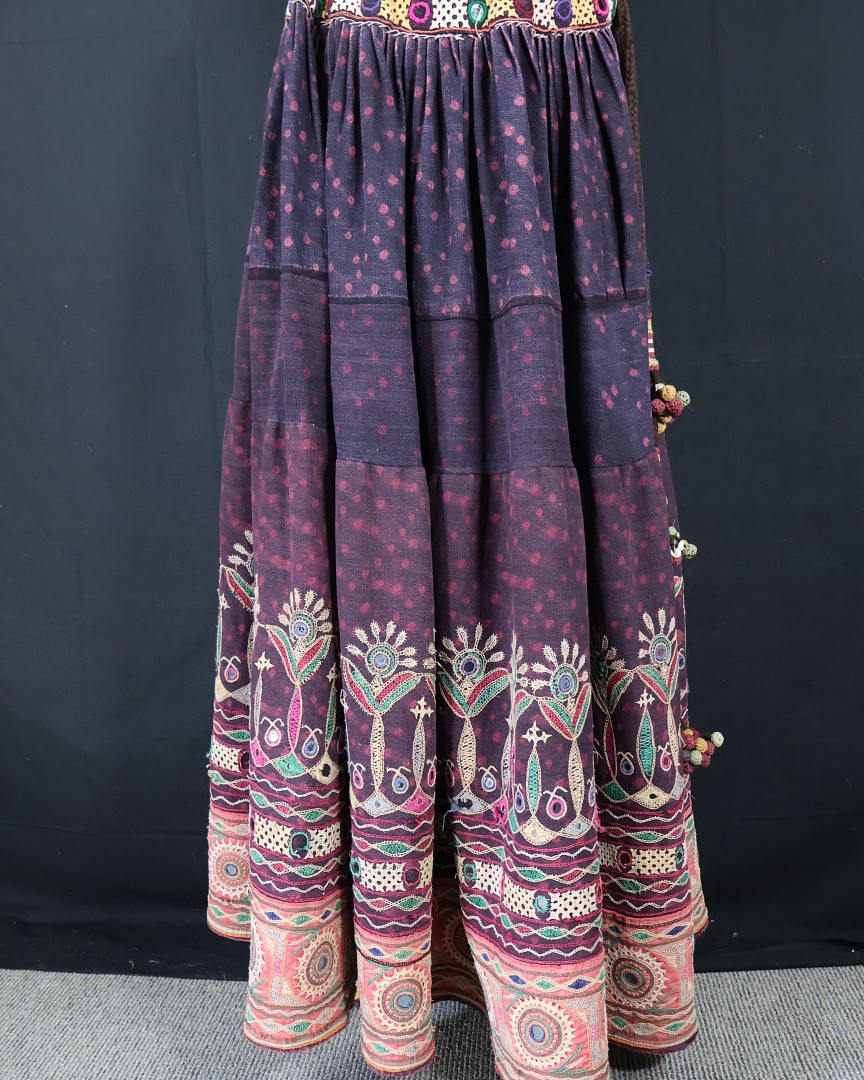
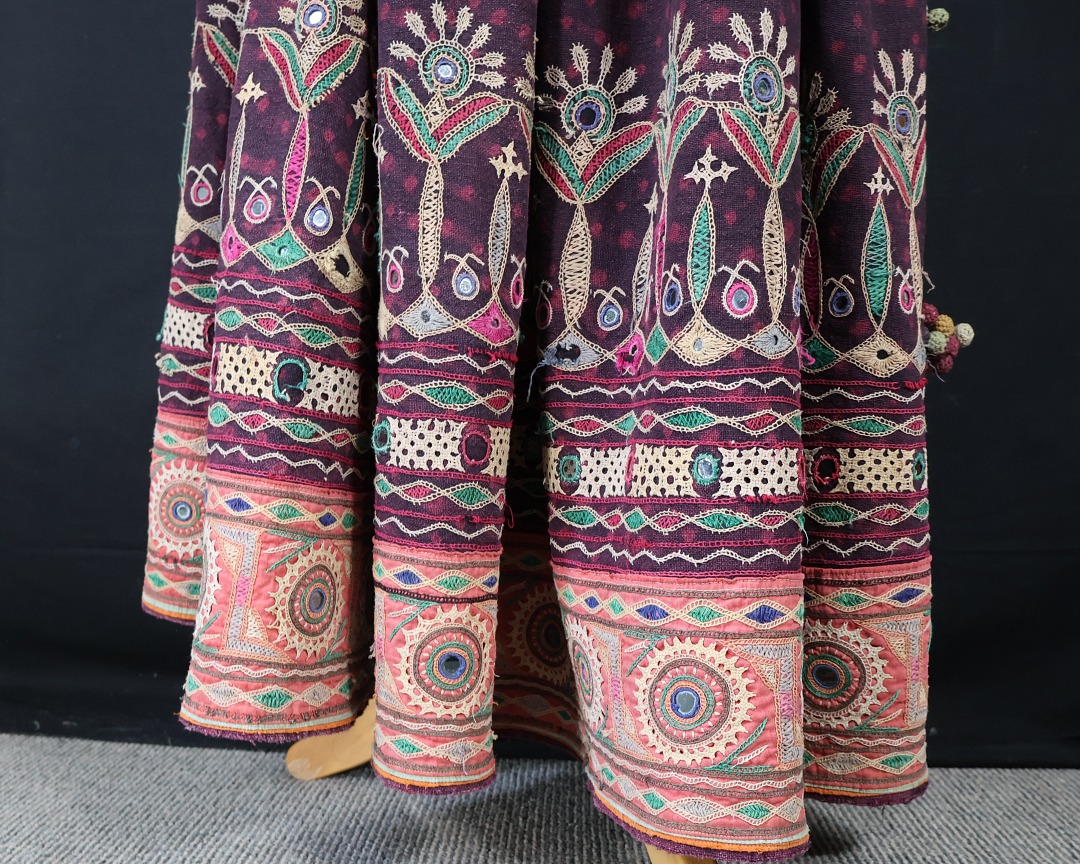
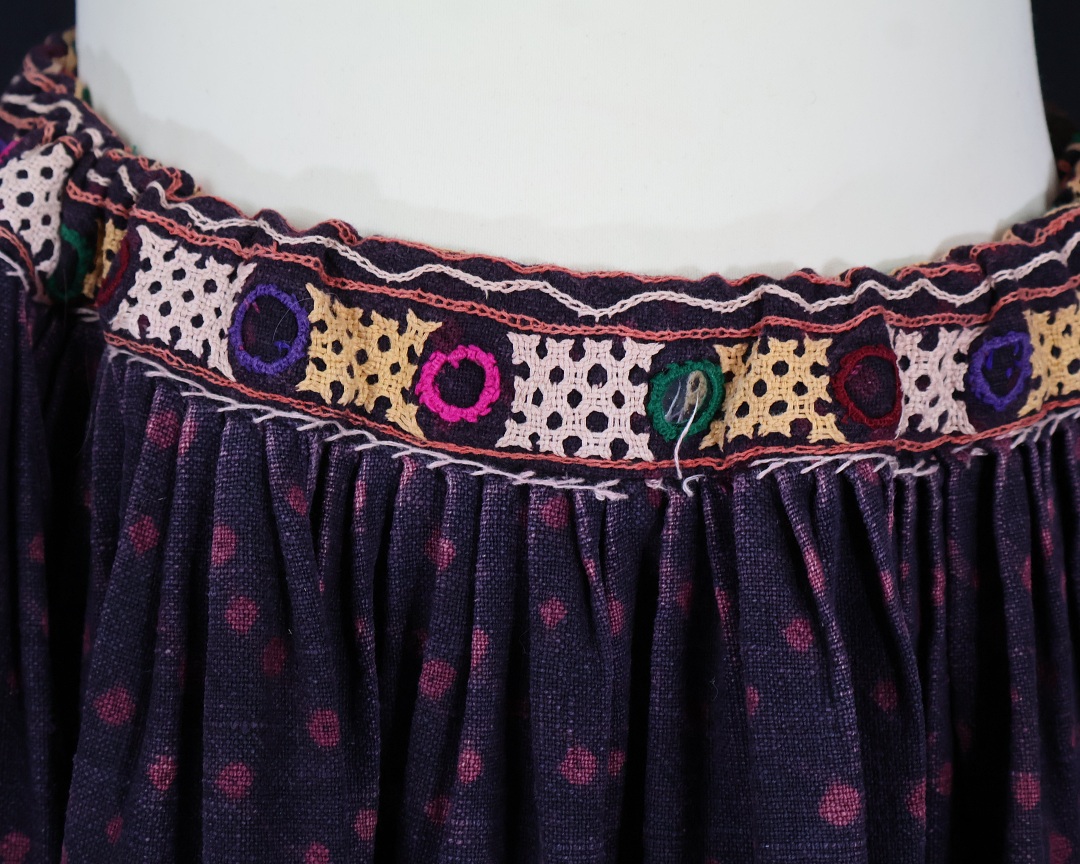
Description
Kutch textiles are one of the most symbolically rich, technically diverse, and culturally layered textile traditions in India. The concise takeaway: Kutch is a living museum of embroidery and hand‑crafted cloth, shaped by tribal identity, migration histories, and a deep visual language of protection, prosperity, and community.
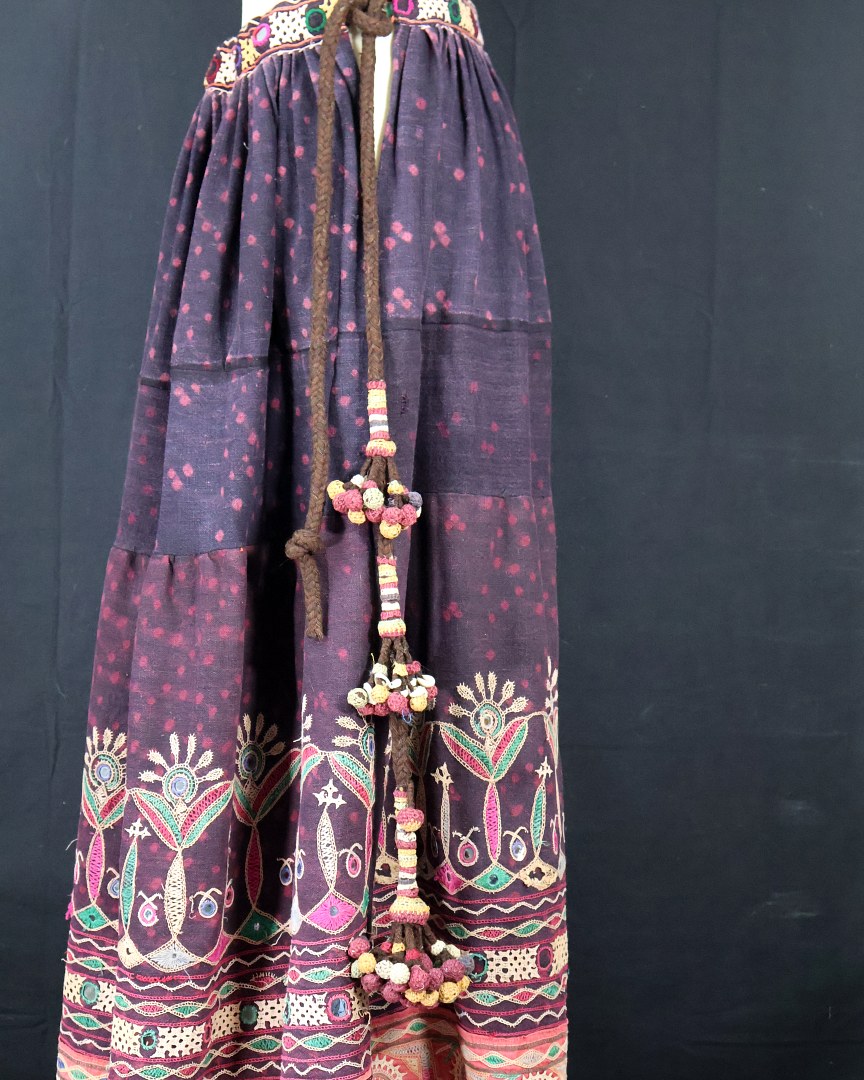
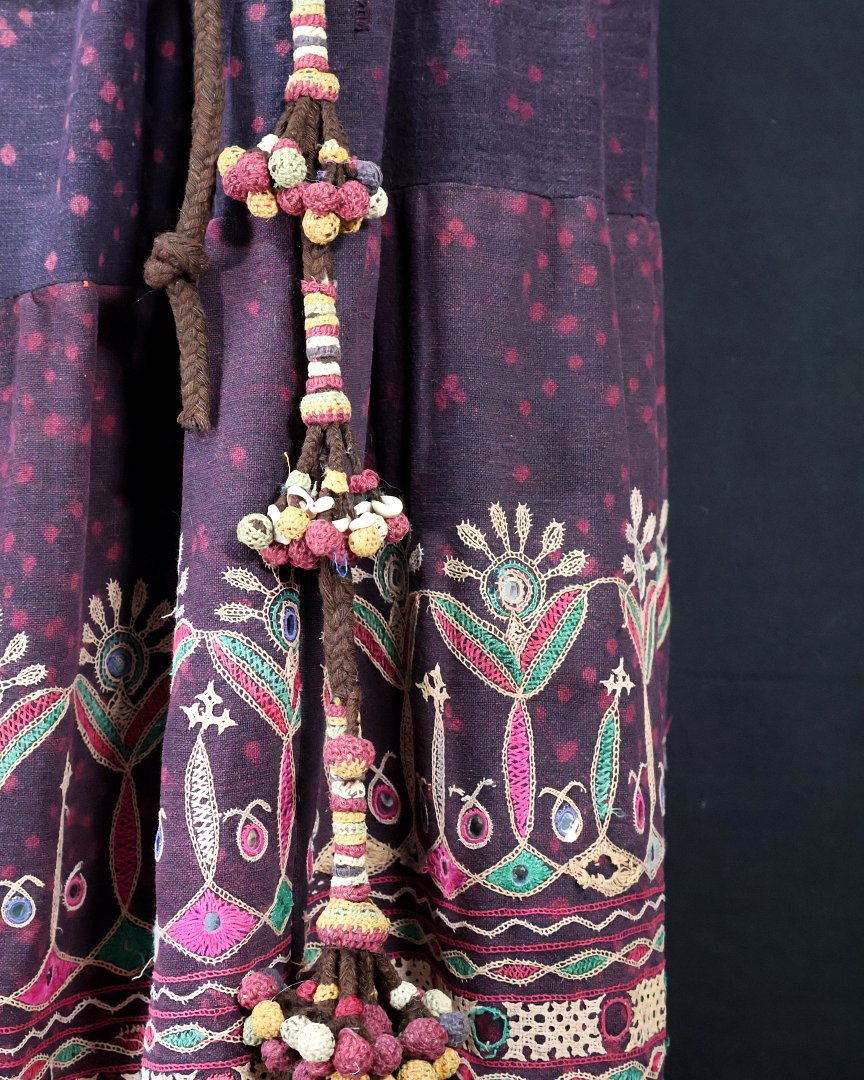
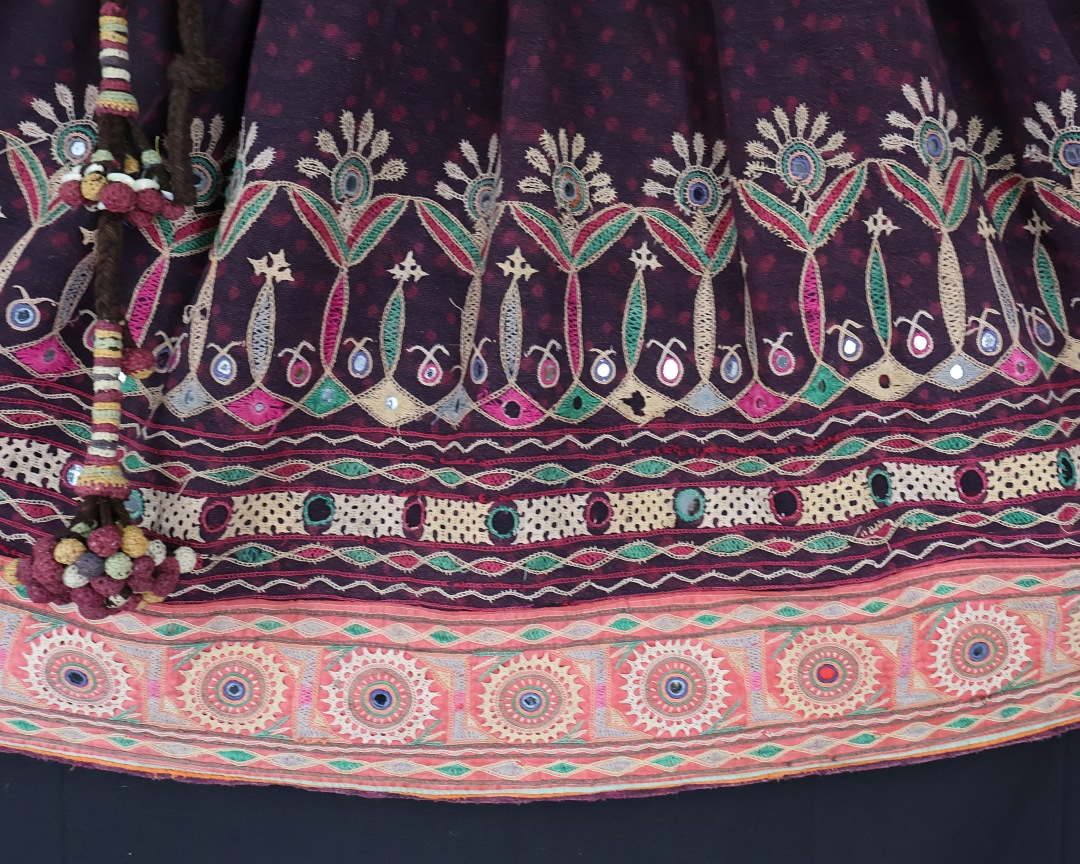
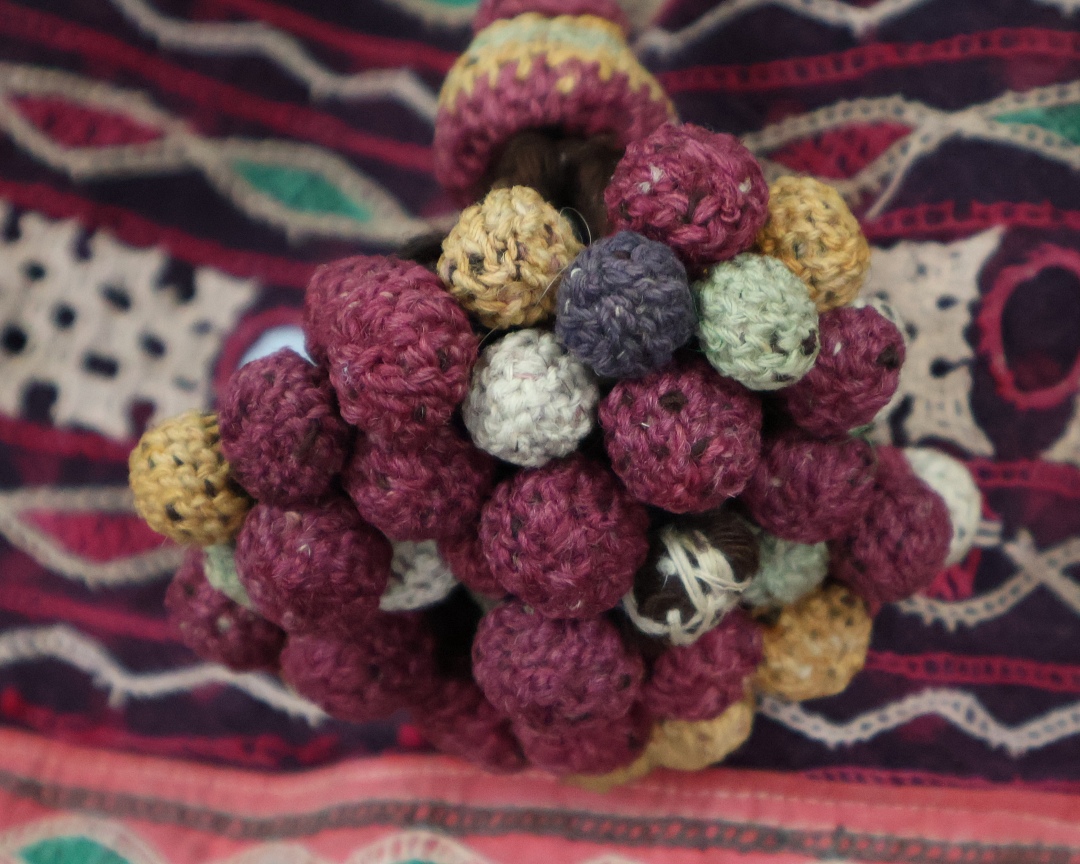
Kutch textiles refer broadly to the embroidered and hand‑crafted fabrics produced in the Kutch district of Gujarat, India. They include:
• Hand embroidery (the most famous aspect)
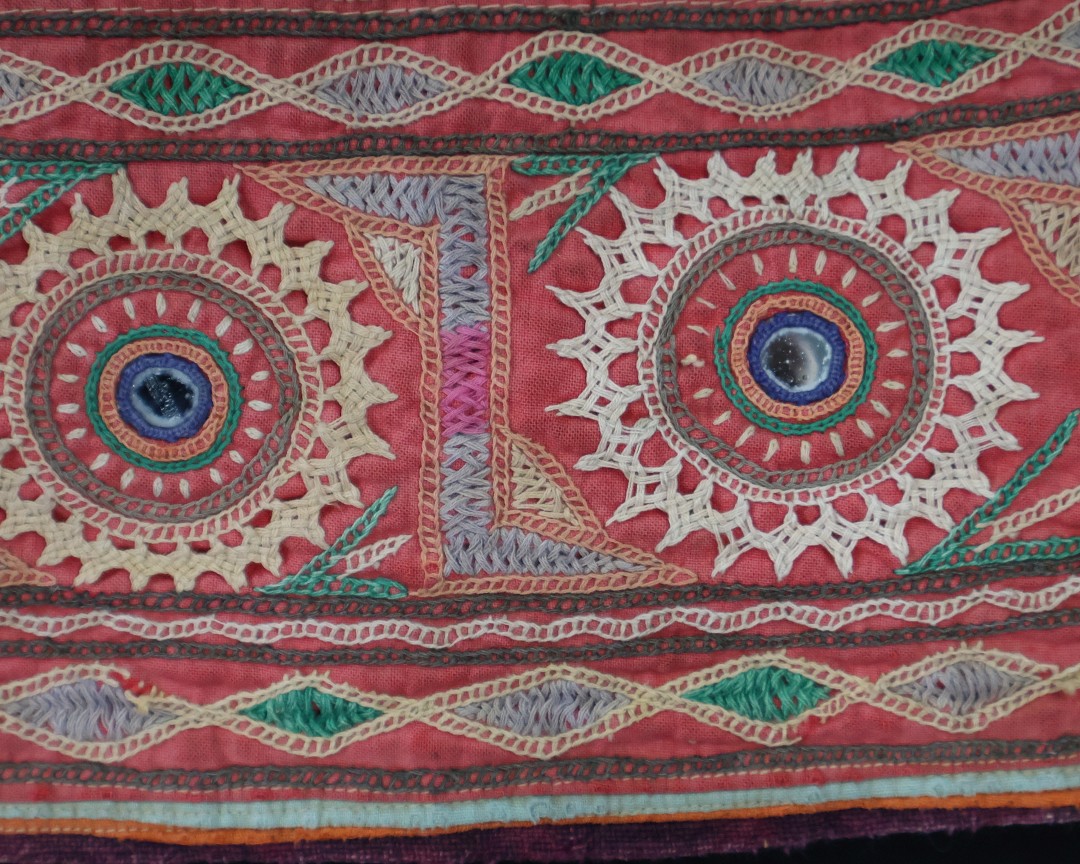
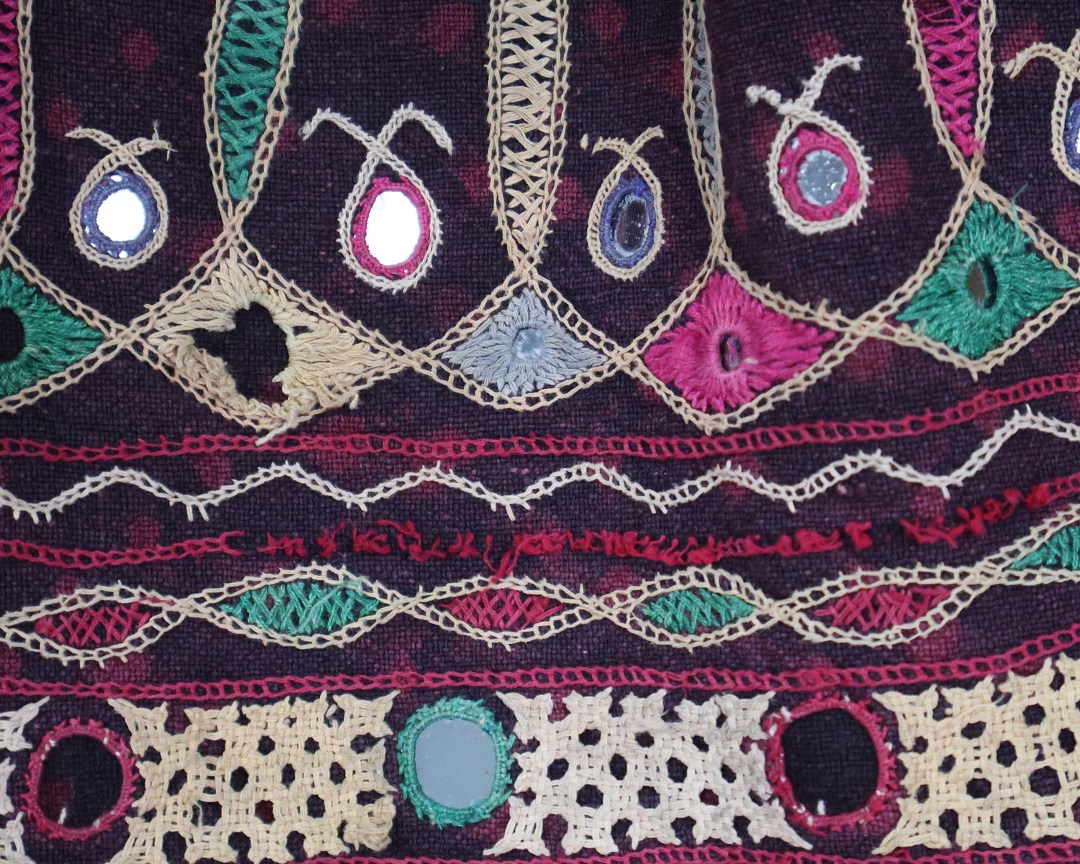
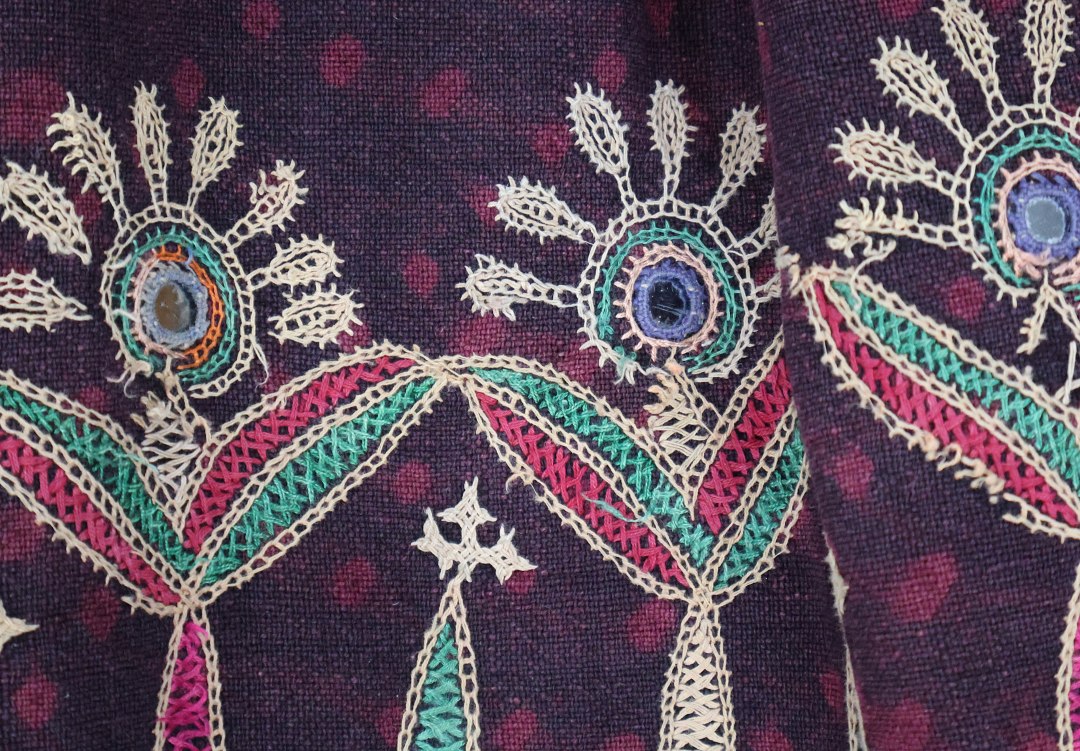
• Mirror‑work (abhla)
• Distinct tribal styles such as Suf, Khaarek, Paako, Rabari, Garasia Jat, and Mutava
• Cotton and silk base fabrics, often naturally dyed
• Geometric, symbolic, and amuletic motifs
These textiles are protected under India’s Geographical Indication (GI) registry, recognising their cultural and regional specificity.
Kutch textiles are significant because they represent:
• A centuries‑old women’s art tradition
Embroidery was historically part of dowry, ritual dress, and household decoration, passed from mother to daughter.
• A visual language of identity
Each tribal group uses distinct stitches, motifs, and colour palettes that signal lineage, marital status, and community.
• A heritage craft revived through modern markets
After droughts in the 1970s–80s, government and craft organisations helped artisans commercialise their work, bringing global recognition.
• A symbol of sustainable, slow craft
Hand‑work, natural materials, and community‑based production align with contemporary ethical design values.
✧ Key embroidery styles (the “six pillars” of Kutch)
Each style is essentially its own micro‑tradition:
• Suf — counted-thread, geometric, almost architectural precision
• Khaarek — dense, linear patterns built from bars and blocks
• Paako — tight, raised stitching with bold outlines
• Rabari — flowing, curvilinear motifs, heavy mirror‑work, deeply symbolic
• Garasia Jat — fine, grid‑based geometry with minimal mirrors
• Mutava — tiny, meticulous stitches with a restrained palette
Given your interest in symbolism and authentic global textiles, these styles are a treasure trove — each one is effectively a coded cultural text
✧ Motifs and symbolism
Kutch textiles often include:
• Cowrie shells (fertility, protection)
• Mirrors (warding off the evil eye)
• Mihrab‑like arches (sacred space)
• Camels, peacocks, scorpions (identity, environment, myth)
• Geometric grids (order, lineage, tribal memory)


