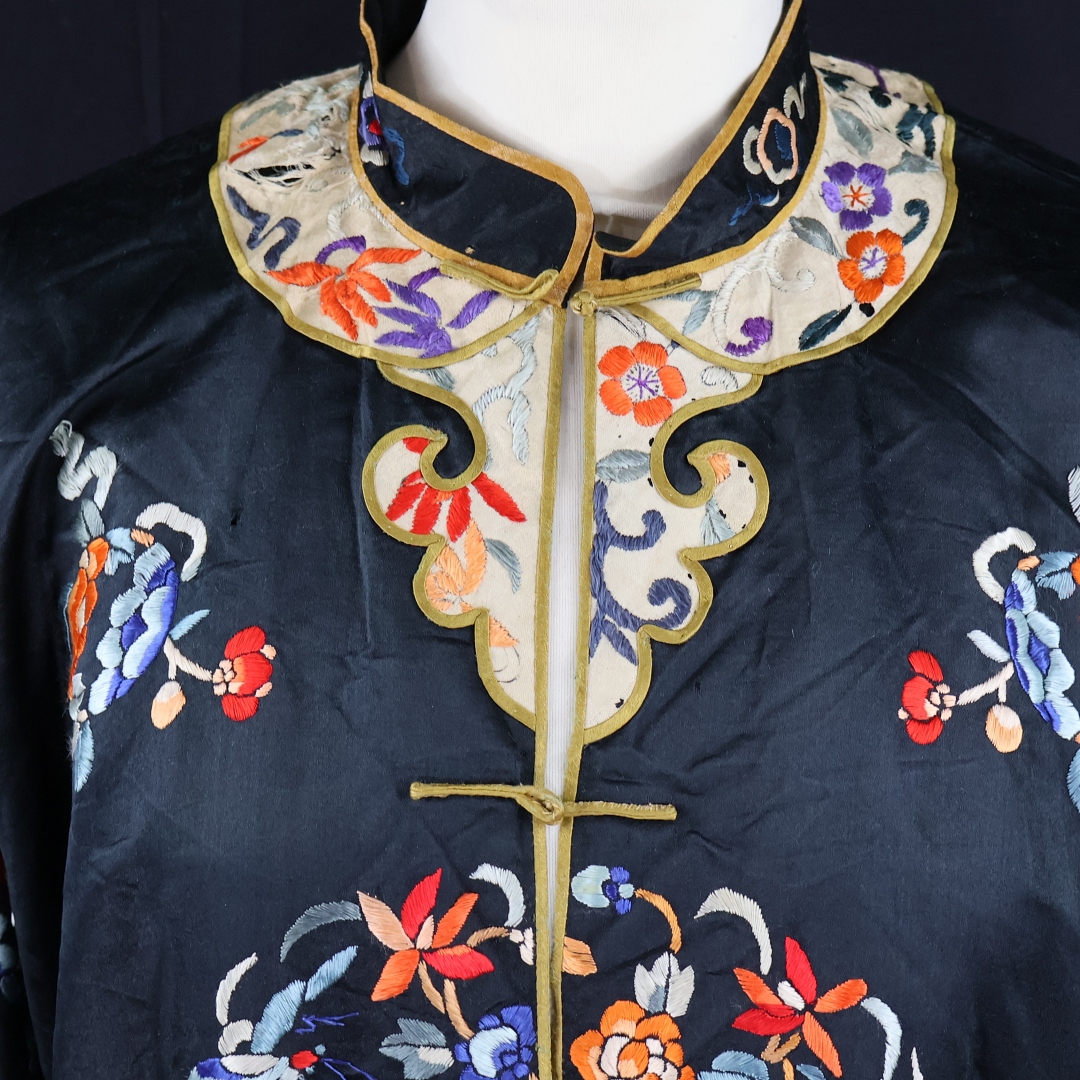
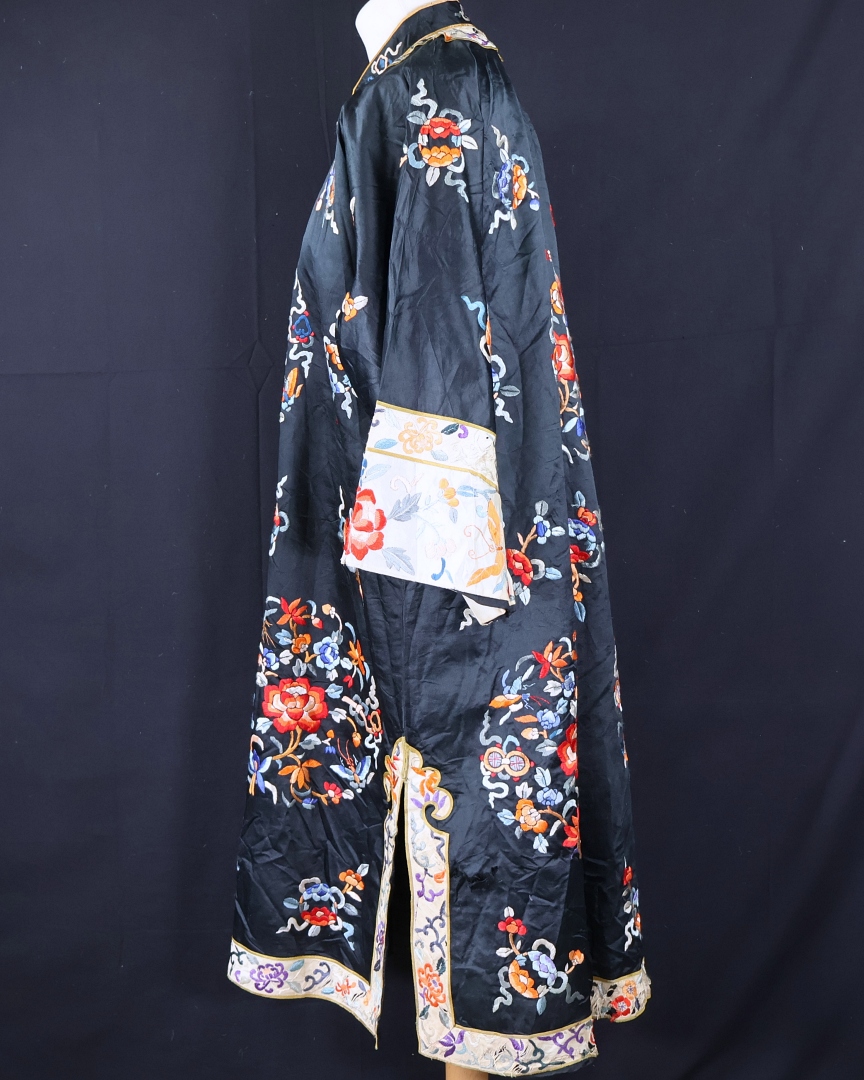
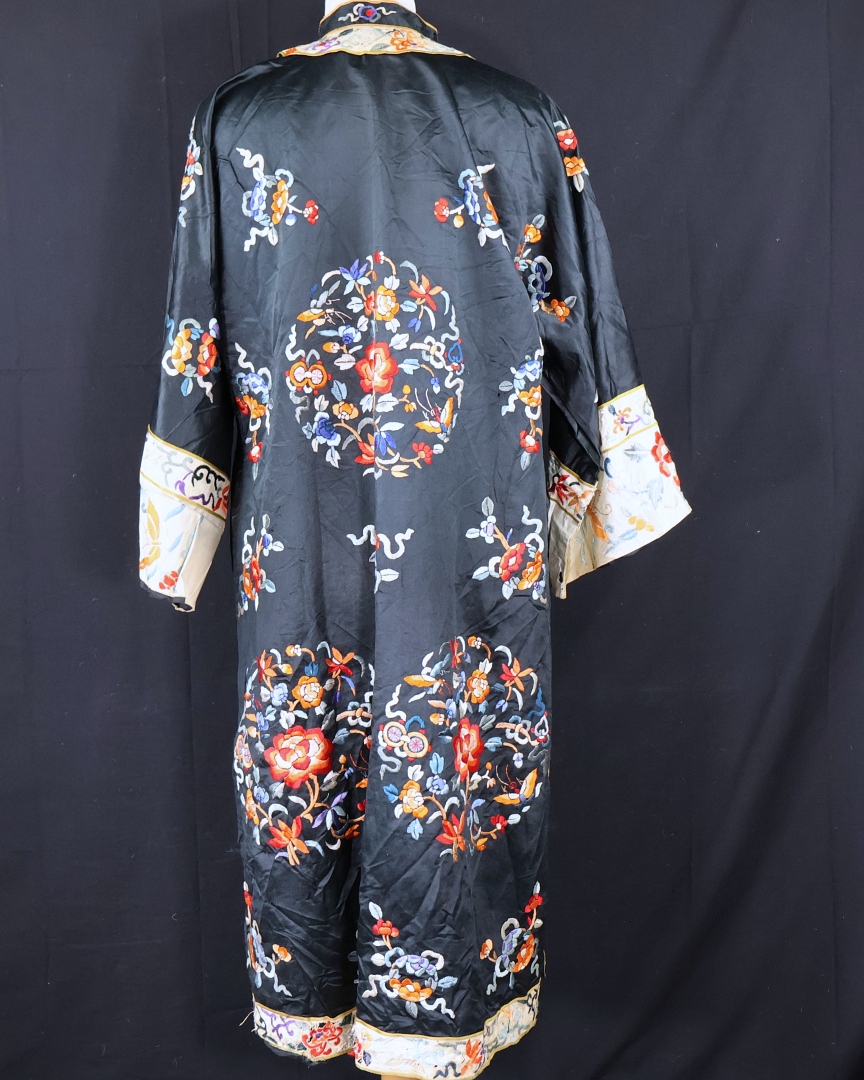
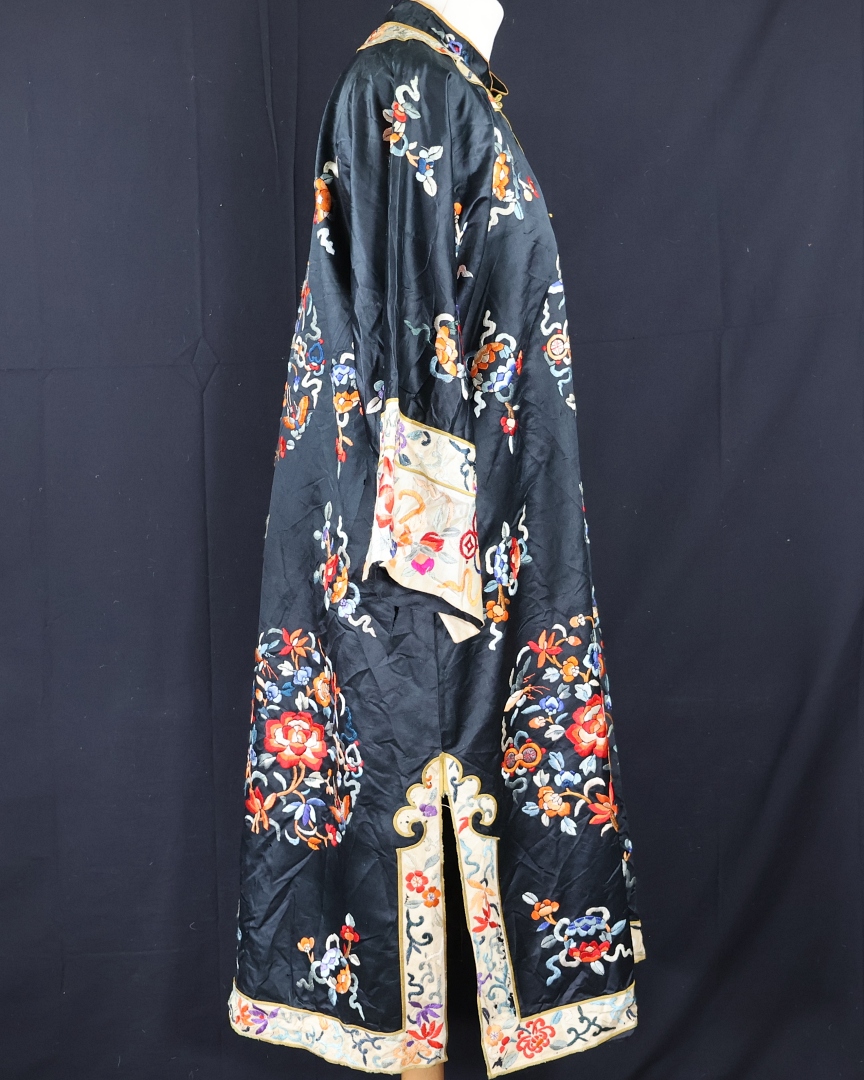
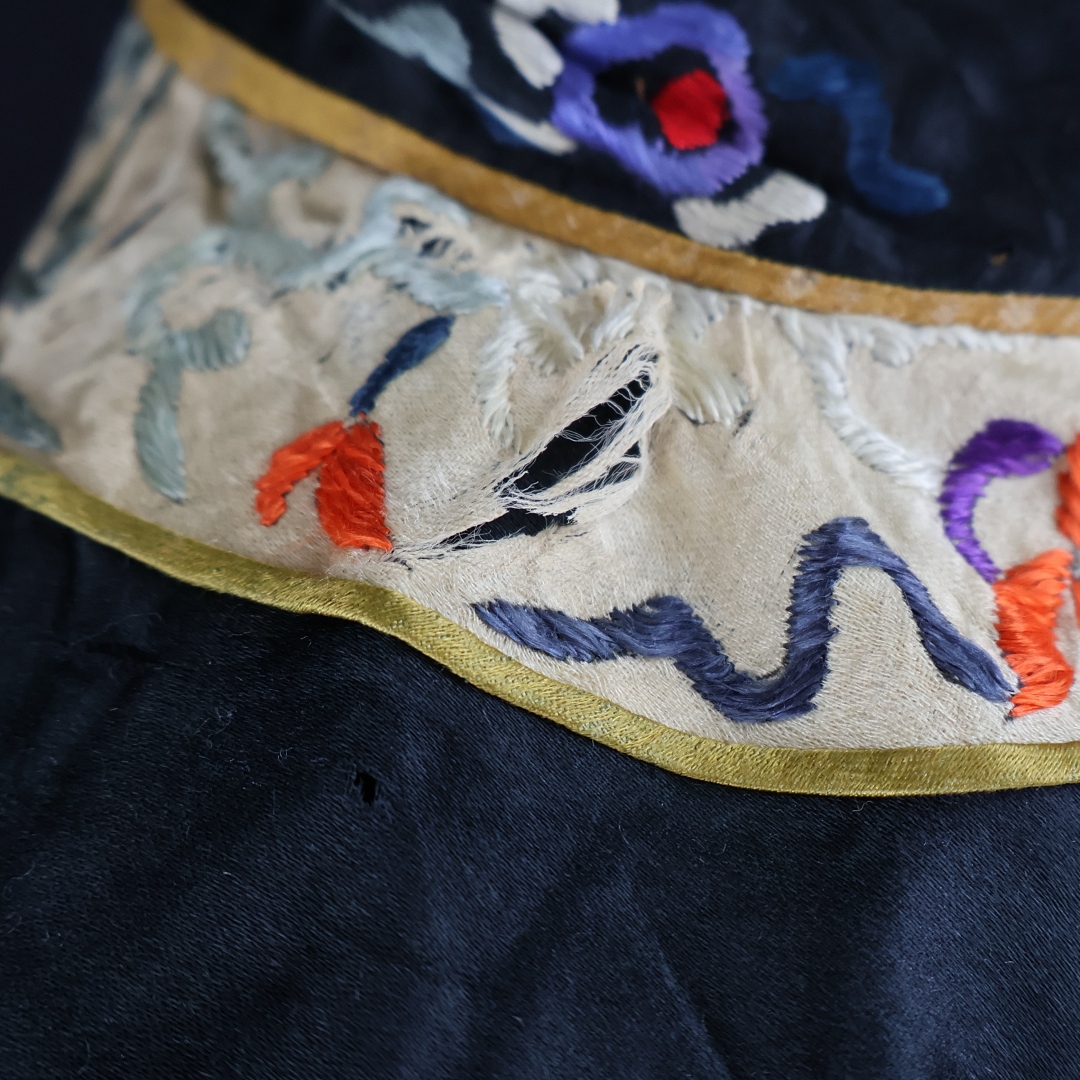
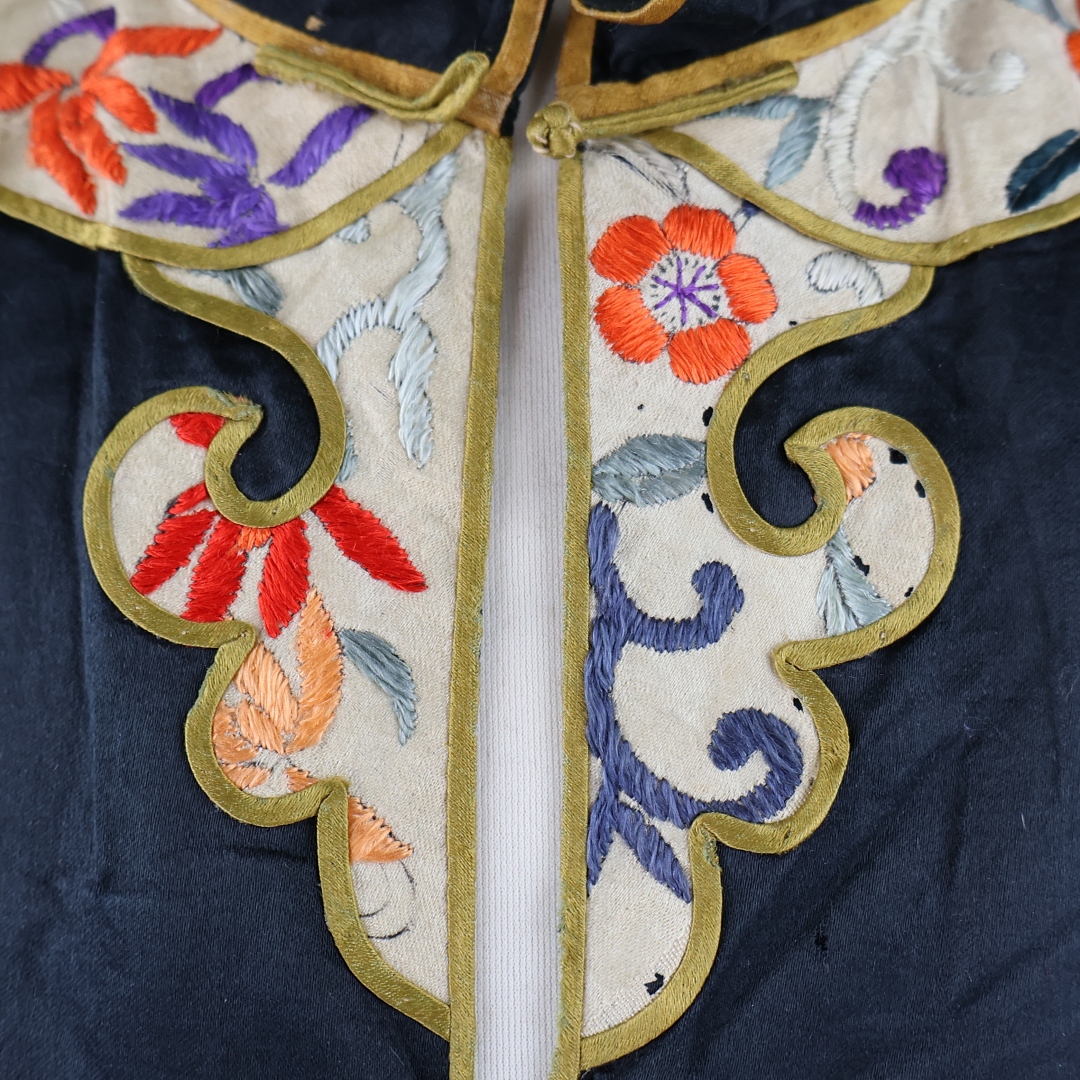
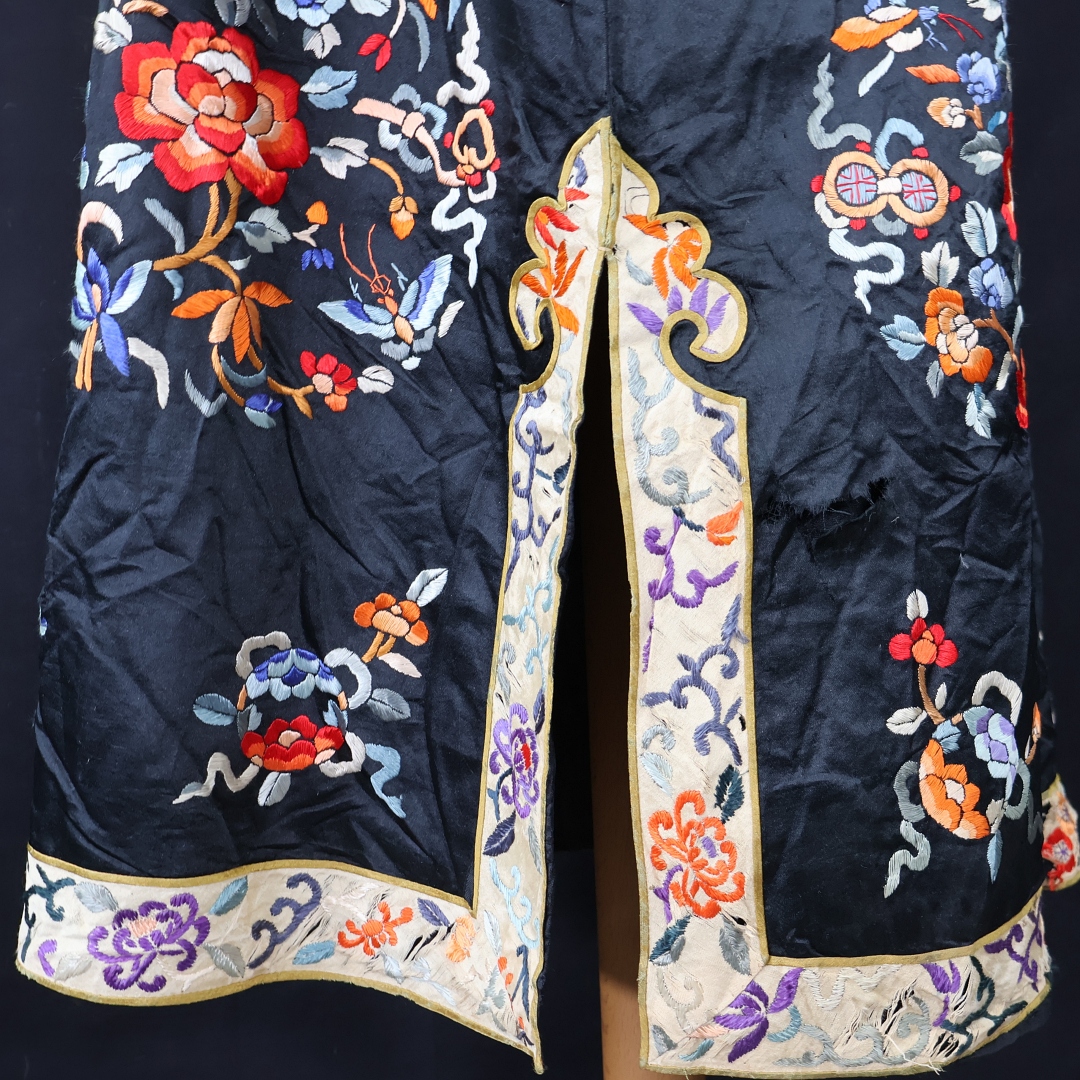
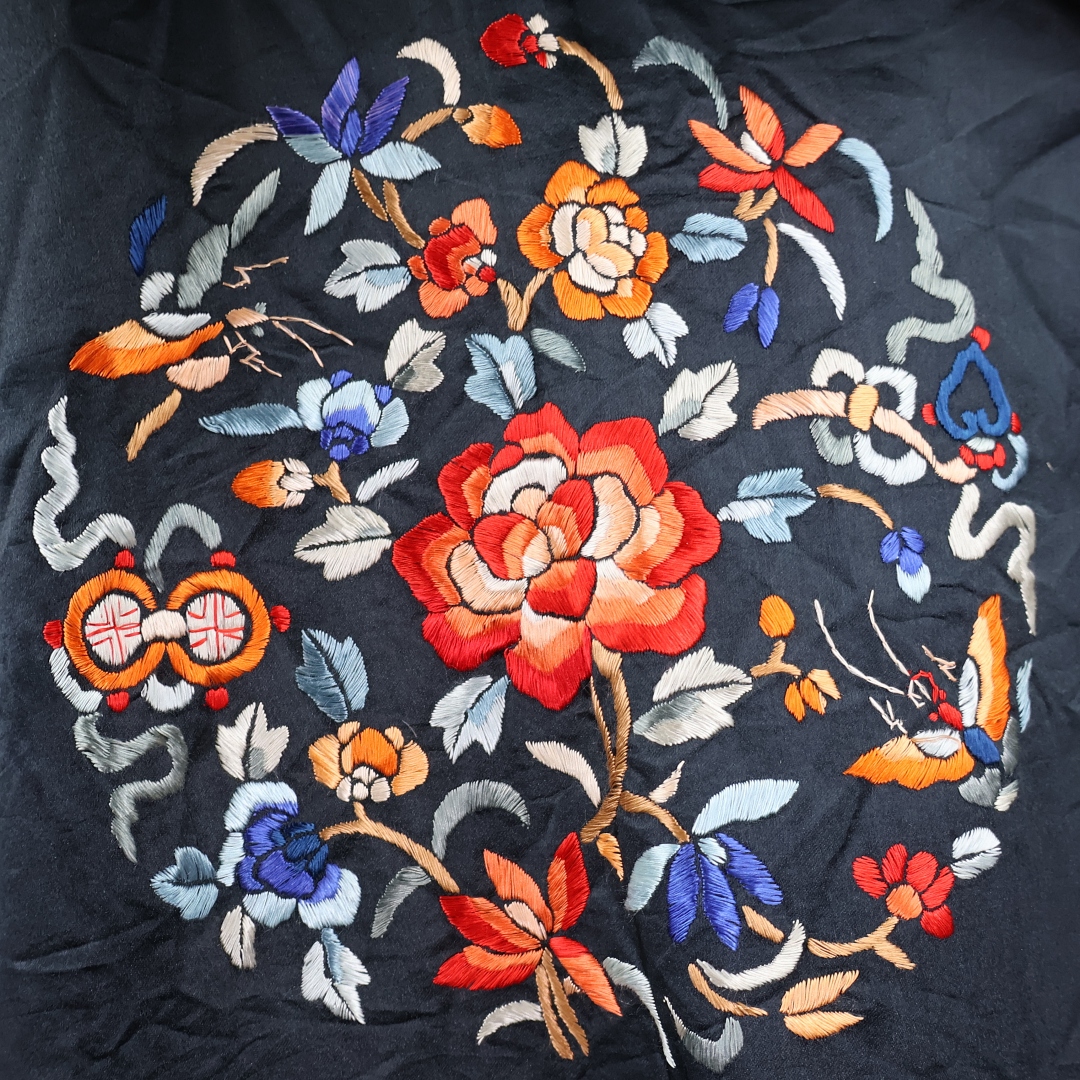
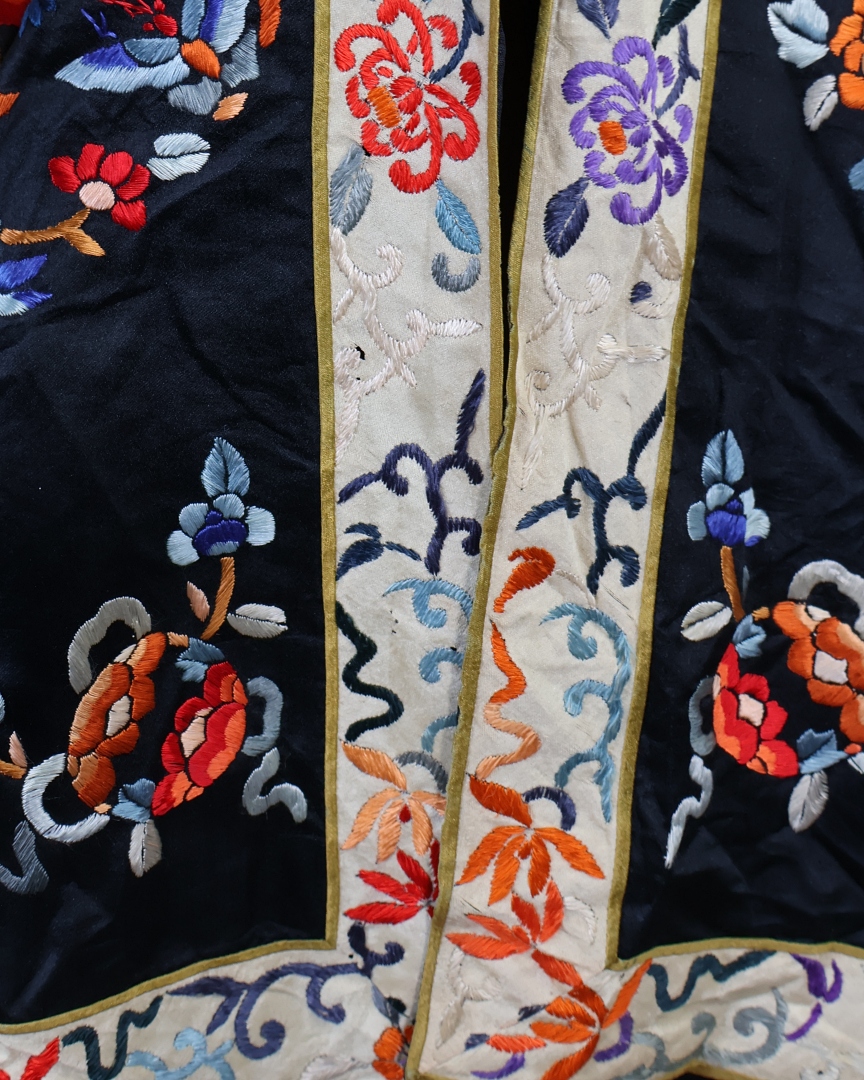
Description
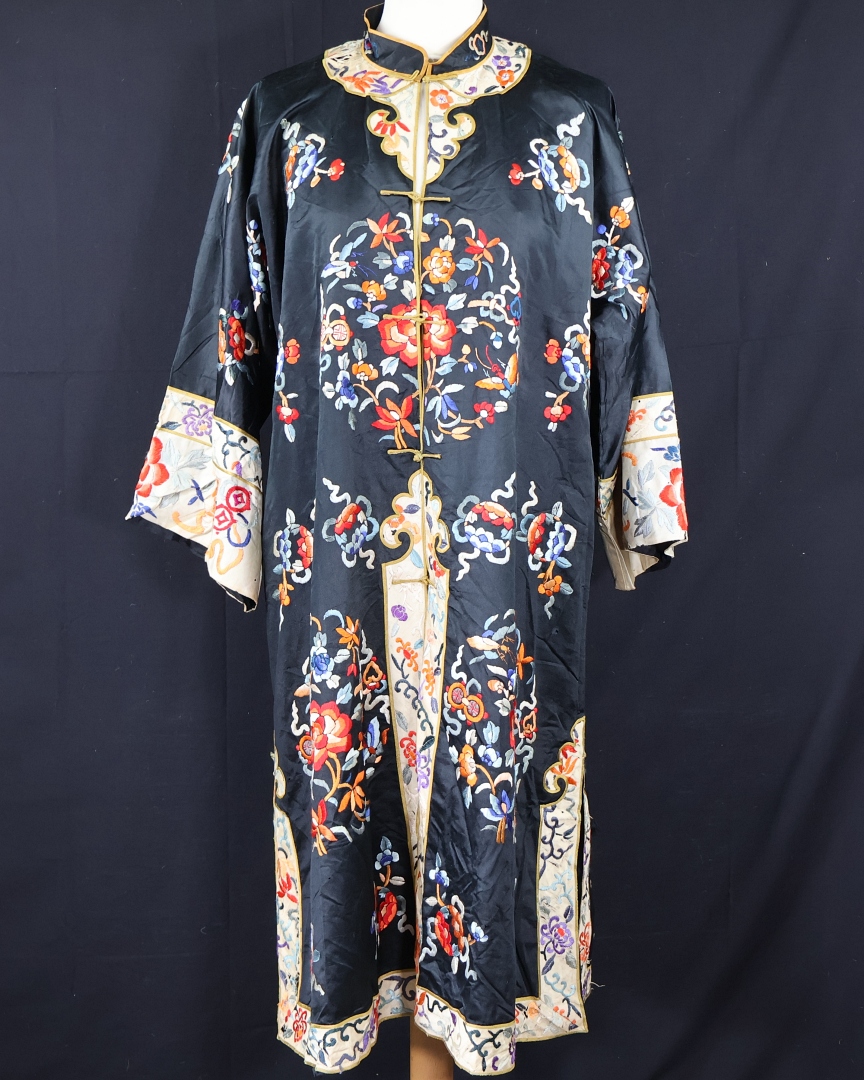
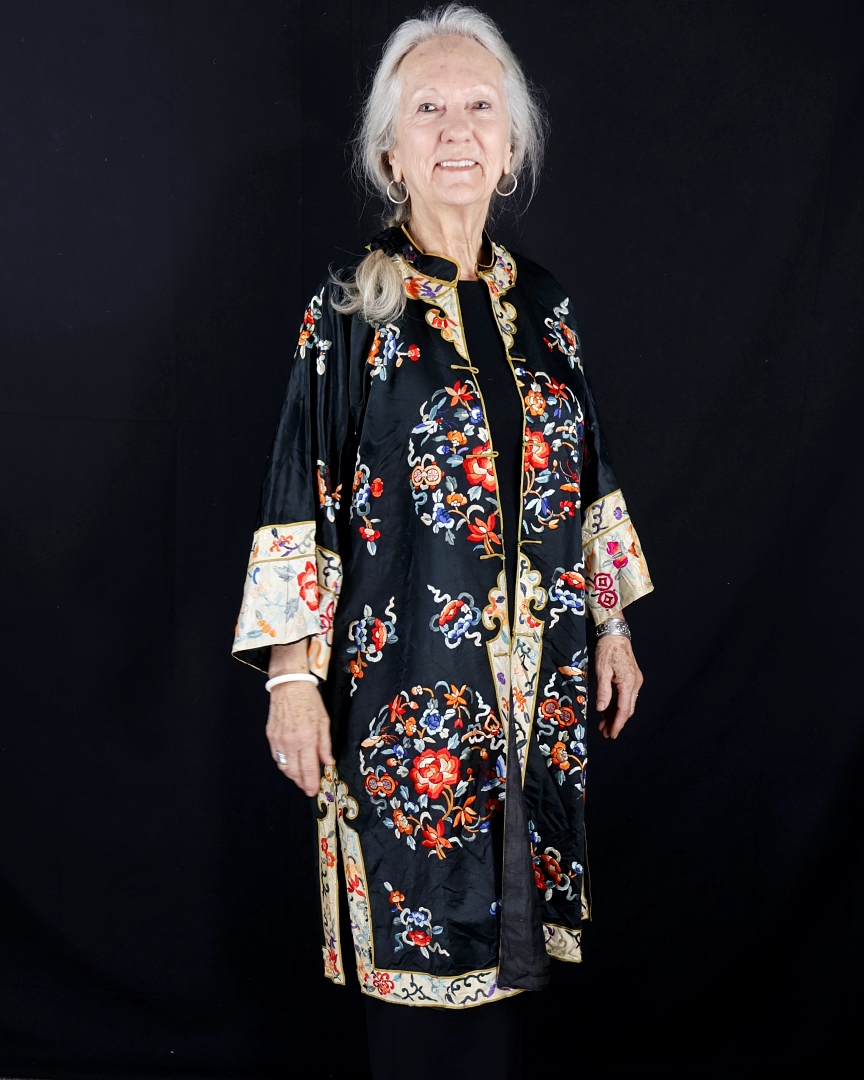
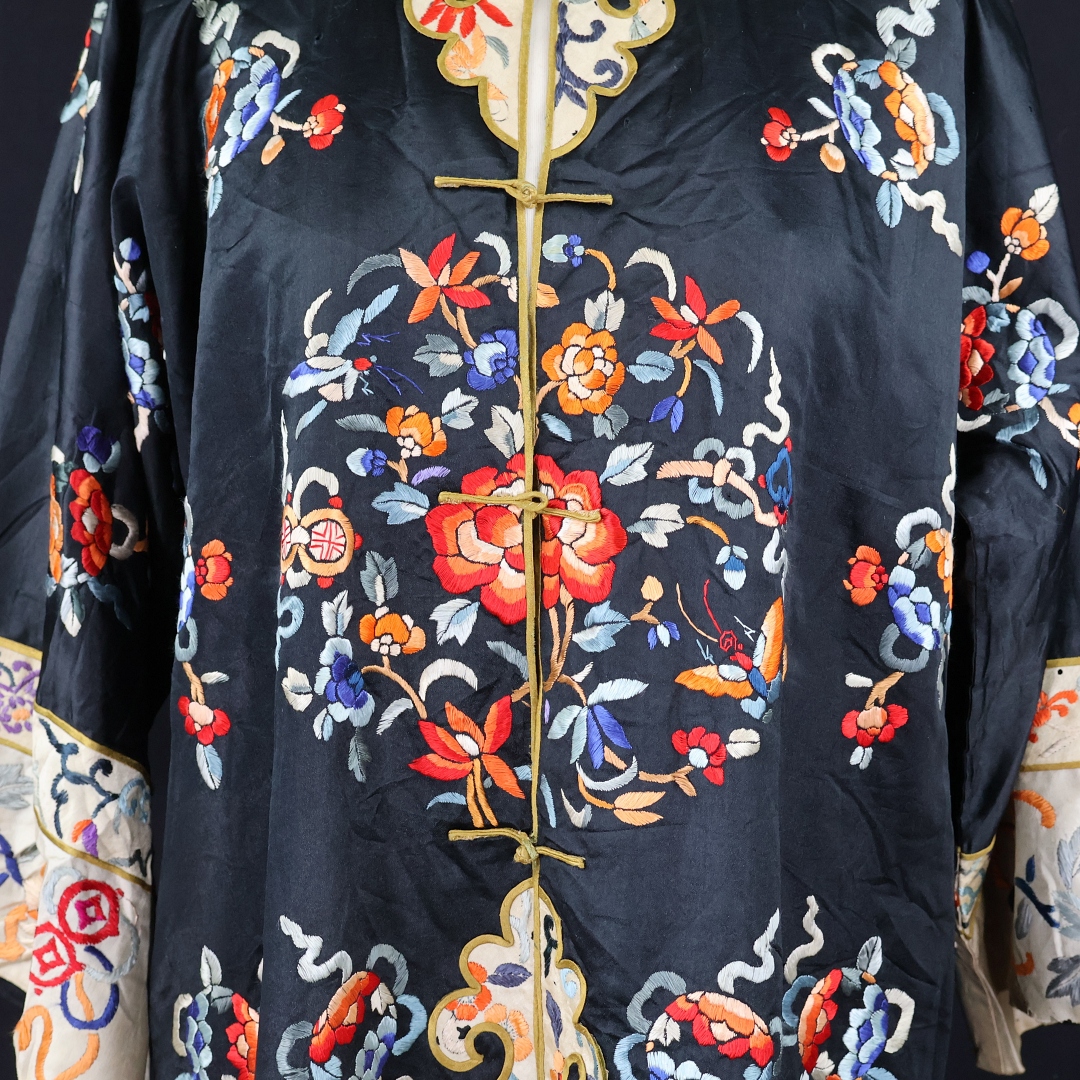
Chinese silk embroidery is one of the world’s most sophisticated textile arts—an interplay of ultra‑fine silk threads, painterly shading, and regional aesthetics refined over thousands of years. At its core, it’s a visual language: every stitch, colour gradient, and motif carries cultural meaning, technical mastery, and lineage.
What Makes Chinese Silk Embroidery Unique?
• Ancient origins: Silk embroidery in China dates back to the Neolithic period, with the earliest surviving examples from the 5th–3rd centuries BCE.
• Silk as the foundation: The strength, sheen, and fineness of Chinese silk allow for hyper‑detailed work—sometimes splitting a single filament into 1/64th strands.
• Cultural symbolism: Designs often depict nature, mythology, auspicious animals, and scenes of daily life, reflecting values like prosperity, longevity, and harmony.
• Dynastic refinement: Embroidery flourished especially during the Tang and Song dynasties, evolving from bold, colourful court pieces to subtle, painterly realism.
The Four Great Embroidery Styles of China
These are the canonical regional traditions—each with its own aesthetic, technique, and cultural identity.
1. Su Embroidery (Suzhou)
• Traits: Luminous, delicate, almost photorealistic; extremely fine threads.
• Techniques: Over 40 needle methods; famed for double‑sided embroidery where front and back show different images with no knots.
• Reputation: Considered the most technically refined; dominates high‑end art embroidery exports.
2. Xiang Embroidery (Hunan)
• Traits: Painterly, dramatic contrasts, strong emotional expression.
• Signature: Black‑white‑grey shading reminiscent of ink painting; lifelike animal portraits (especially tigers).
3. Yue Embroidery (Guangdong)
• Traits: Opulent, colourful, often incorporating gold‑wrapped threads.
• Uses: Cantonese opera costumes, temple textiles, ceremonial garments.
4. Shu Embroidery (Sichuan)
• Traits: Crisp lines, geometric clarity, smooth colour transitions.
• Specialty: Double‑sided embroidery with perfect symmetry.
• Status: Rarest of the four, with only ~117 certified masters remaining
Themes & Symbolism
Chinese silk embroidery is never just decorative—motifs carry layered meaning:
• Dragons: Imperial power, strength, cosmic order.
• Phoenixes: Renewal, feminine virtue, auspicious marriage.
• Peonies: Wealth and honour.
• Lotus: Purity and spiritual elevation.
• Tigers: Protection, courage (especially in Xiang embroidery).